A pattern I’ve observed is people who are relatively high in intelligence but low in social skills often have trouble finding other highly intelligent people with whom they can converse as equals, thus having something to offer, and so they find people who have something fairly wrong with them and trade acceptance for friendship. I believe this generalizes, which may be the more interesting part, but I want to focus on the particular example for the moment.
The problem that a highly intelligent person has is that they are not naturally interesting conversational partners for more ordinary people. They tend to engage with subjects on a level of detail that doesn’t work for most people, and when they make the basic move of friends—attempting to share the good they see in the world to share in its enjoyment together—with ordinary people they tend to do it in ways that don’t work for the other person. Now, finding the level that works for the other person and adjusting to it is a learnable skill, but it’s not an easy skill, and many intelligent people aren’t good at it. Which means that, with most people, they don’t have much to offer as friends. It doesn’t matter that this is because they can see so much more; the relevant point is that, as a friend, they offer very little. And worse, the highly intelligent person doesn’t just offer less. Because they will talk at length in ways that are hard to follow, they actually cost more.
Now, if the highly intelligent person can find another highly intelligent person, they can offer quite a lot as a friend. But especially when people are looking locally, they just don’t run into other such people very often. So what is the highly intelligent person to do, given that they have relatively little to offer as friends? (Other than read extensively where they can meet other intelligent people who are removed by time and space, I mean.)
One common solution is to look for desperate people. People who have something wrong with them. It’s not hard to find desperate people who are a bit more intelligent than average, which will give the illusion of compatibility. And in exchange for the other person accepting the more intelligent person as a friend, the more intelligent person can give acceptance of whatever is wrong with the desperate person (terrible social skills, self-destructive behavior, crippling self-doubt/fearfulness, and complete unwillingness to see things from other people’s perspective are relatively common, from what I’ve seen). There’s a decent chance that the highly intelligent person can do this because their high intelligence allows them to bridge more gaps.
I suspect that this generalizes towards significant differences in social status where the higher status person is not accepted by the current hierarchy, at least not as high as they want to be. So they can trade (at least apparent) acceptance of an out-group for support by that group which can potentially elevate them to the level that they want. This may well describe many cases of “advocacy” that we see, where a person attempts to make themselves a hero for some group or other. The fundamentals are an apparently asymmetric trade where the lower trading partner is generally under-valued and so the higher trading partner is able to get greater value than it seems like they would.
I strongly suspect this general pattern is visible in many places in life. It is also highly distinct from true condescension (in the etymological sense of coming-down-to-be-with, as in the Incarnation, for example) where the higher person lowers themselves for the good of the lower person.
On the third day of November in the year of our Lord 1985, the sixth episode of the second season of Murder, She Wrote aired. Titled Reflections of the Mind, it’s set in Ohio. (Last week’s episode was Sing a Song of Murder.)
As we zoom into this enormous house, we hear a music box playing. But first, we pan over some interesting photos:
We don’t know who most of those people are, but in the photo of the two women, the one on the left is clearly a very young Angela Lansbury. The other woman in the photo is actually a young Ann Blyth, who is going to play Jessica’s old friend in this episode, Francesca Lodge.
Anyway, eventually we see Francesca sleeping on on the bed reading one of Jessica’s books:
The Umbrella Murders is quite the title for a book.
She wakes up violently and is distressed by the sound of the music box, I think because she didn’t open it. She closes it violently and starts calling out “Scott?” She goes into the hallway and sees a light under a door that distresses her:
She then hears the music box music start up again, but this time from inside the room with the light coming from under the door. She panics and runs downstairs. She knocks several things over on the way to the telephone, but manages to call what I assume is 911. She says that she’s alone and there’s someone in the house, and asks them to hurry.
She then picks up scissors and hides in a closet.
A moment later, someone walks up and opens the door. She tries to stab him with the scissors but he fends her off and calls her name. He then tells her that it’s him, Scott, and we see that he’s the man from one of the photos in the beginning.
When she realizes who he is, she collapses into his arms and he comforts her, and we go to the next day where Jessica arrives by taxi at the Dalesboro medical center.
Jessica meets Scott in the waiting area of the psychiatric ward, which causes Jessica more than a little consternation (that it’s the psychiatric ward, not that he’s waiting for her).
Sheriff Bodine then comes over and asks Scott about a report of a break in at their place the night before.
Scott explains that it was a false alarm.
The Sheriff then inquires about the enormous bandage on Scott’s hand but he claims that it’s just a scratch, so the Sheriff wishes Francesca a speedy recovery and takes his leave.
When he’s barely out of earshot, Jessica asks Scott what actually happened. He tells her what we already saw, then adds something we didn’t know: last week he almost crashed in the car because the breaks failed. The break lines had been cut. He didn’t report it to the police, but he knows what a broken breakline looks like vs. one that had been cut. And he found a hacksaw and Francesca’s clothes splattered with break fluid hidden in the back of her closet. (She said she didn’t know how they got there.)
Jessica then goes to see Francesca.
We also meet Cheryl, Francesca’s daughter from her first husband (deceased).
Jessica barely recognizes her and says that she’s blossomed. She last saw her 5 years ago at Scott and Francesca’s wedding.
The only issue with this is that the actress is 26 and looks it. Five years ago she’d have been 21, and (absent major life changes like accidents or taking up weight lifting) people don’t look very different between 21 and 26. I suppose it’s possible that the actress is playing younger; if the character is supposed to be 21, then she might indeed have changed a fair amount in the last 5 years, though even there, I doubt so much as to be unrecognizable. If the goal was to establish the character as younger, it would have been much cleaner to work the age into the line, “Oh my, Cheryl, it’s been so long, you must be what? 20 now?” to which Cheryl replies, “21.” There would still be a bit of dissonance with the character’s appearance, but at least we’d have the information we need instead of wondering why Jessica had a hard time recognizing her.
Anyway, Francesca saying in a distraught voice that she wants to go home is interrupted by the appearance of her personal psychiatrist, Dr. March.
He agrees that Francesca should go home.
He also thinks that he read one of Jessica’s books and couldn’t put it down, but gets the title wrong and murder weapon wrong. (He thought it was The Corpse Danced At Dawn when it’s actually The Corpse Danced at Midnight and that the murder weapon was a crossbow instead of poison.) He laughs and says he must be thinking of a different book.
I’m really not sure what this is meant to do. Perhaps to establish the character trait of trying to pretend to stronger connections with people than he actually has?
On the car ride home, Jessica mentions that he has an unusual beside manner and Scott says that he’s one of the best. Cheryl adds that he treated her when she had her problems. A couple of years ago she ran a way with a rock group and did drugs and a lot of dumb things. Scott and Francesca were frantic and had to hire a detective to find her. Dr. March helped her get herself sorted out.
As they’re driving, a man who’s hitchhiking is nearly in the middle of the road around a blind curve and Scott (who’s driving) swerves to avoid him, missing him narrowly. Jessica is amazed he managed to avoid the man and Scott explains that it’s reflexes – he used to drag race a lot as a kid. Which is nearly the one kind of racing which wouldn’t do much for training obstacle avoidance in a car, but whatever. We have it established that Scott is a superb driver. This will probably come up later.
Then we get home to Francesca’s mansion, where a gardener is trimming the hedges.
I find the establishing shot interesting because of how clearly it establishes how rich Francesca is. A huge house is one thing, a hedge fixture in the middle of a giant flagstone driveway is a whole other level of riches.
Here’s the gardener’s face:
His name is Carl, but possibly more interesting is that the actor’s name is Wings Hauser. “Wings” is apparently a nickname from having played a “wingback” in (American) football. According to Wikipedia, the wingback is a position that only exists in a few plays. Anyway, I can believe the guy is a “Wings”. He looks it.
Inside, in Francesca’s room, she and Jessica catch up since they last saw each other five years ago. This is oddly awkward but it gives us a bit of backstory: after Francesca’s first husband, Ross, died, she was desperately lonely. She’s self-conscious about the difference in her and Scott’s ages, but Jessica reassures her.
After some more smalltalk, Jessica picks up the music box which had upset Francesca in the opening scene and reminisces about it.
Ross gave it to Francesca as an engagement present and Jessica helped him to pick it out.
Francesca walks over, snatches it out of Jessica’s hands, slams it shut dramatically, shakes like she’s about to have a nervous breakdown, then says that everything is fine. But under questioning, she explains that she sometimes forgets doing things.
This is interrupted by Scott coming in. Scott tells her that he has to leave for the shareholder’s meeting soon, so he invites her to come down and have a drink with him before he goes. He then tells her that he’ll see Jessica to her room, which really is an excuse to talk with Jessica alone. That said, he interrupted her before she’d learned anything, so Jessica isn’t able to tell him anything.
Jessica does ask about the door we saw bother Francesca in the beginning of the episode:
It was Francesca and Ross’s bedroom. When he died (in an automobile accident) she had it sealed. Interestingly, Jessica remembers that it was a closed coffin because the accident was so bad.
(That, of course, raises the question of whether Ross really died or only faked his death.)
This conversation is interrupted by Margaret coming and telling Scott that his secretary is here. Scott excuses himself and asks Margaret to take Jessica to her room.
In Jessica’s room, Margaret lets Jessica know that Francesca hasn’t been right in the head and is imagining things. She’s always misplacing things. Like her diamond bracelet which Margaret found in the garbage disposal and Francesca didn’t even know was gone.
The scene then changes to Scott with his secretary Brooke.
It turns out that she’s more than just his secretary.
This is witnessed by the gardener who’s at the window looking in for some reason.
There’s something fascinating about this image; it makes the gardener look incredibly sinister. (Which means that he didn’t do the murder.)
The scene then shifts to the living room where Dr. March comes in and says hello to Cheryl. He’s here to check in on Francesca but takes a minute to stroke Cheryl’s hair and ask her out to dinner, which she rejects. Then everyone comes in for that goodbye drink for Scott before his trip. (The private jet is waiting at the airport.)
Scott pours the drinks.
Cheryl explains to Jessica that Scott never flies without several ounces of his favorite anesthetic. Why he’s imbibing it now before driving, rather than at the airport or on the airplane, she doesn’t explain. Ah, the 1980s.
Francesca invites Dr. March to join them, but he declines and leaves, saying he has to check in on a patient. I guess the sting of Cheryl rejecting his dinner invitation made him forget that he was here to check in on Francesca.
Scott asks if Jessica wants a drink and she says it’s too early for her. He then mixes three martinis and gives one to each of Francesca and Cheryl, and takes one for himself. Cheryl, however, spills hers so goes and gets herself another. Except she gets herself cherry rather than another martini.
Either she poisoned the gin or she really dislikes martinis and doesn’t have the heart to tell Scott.
Anyway, Scott then drives off. I love the size of this house. At no point in this episode does the entire house fit in frame. It’s magnificently huge.
Back inside, Francesca challenges Jessica to a game of cribbage, but is interrupted by Margaret, who says that a gentleman is on the telephone but didn’t give a name. We hear a man’s voice say, “remember that I love you very much and I’ll see you again tonight.”
This upsets Francesca greatly. When Cheryl asks her what was the matter, she says that the man on the phone call was Ross. When Jessica picks up the phone, the caller had already disconnected.
Francesca exclaims that Ross has come back, then faints.
Over on his way to the airport, Scott begins driving erratically, then we see his head slump over and he drives off of a cliff.
And with that, we fade to black and go to commercial.
Had you been watching back in 1985, you might have seen a commercial like this:
When we come back from commercial, the police are at Francesca’s mansion. Inside, Sheriff Bodine is breaking the news that Scott is dead to Cheryl since Francesca is asleep.
He adds that they usually ask a member of the family to identify the body, but in this case there isn’t much to identify. He asks if there’s a family doctor and Cheryl suggests Dr. March. (I’m not sure how good Scott’s wife’s psychiatrist would be at identifying his charred remains, but I suppose no one could be very good at it so the bar is pretty low.) After he leaves, Cheryl says that they have to tell her mother but Jessica tells her to let Francesca sleep for a while.
Jessica then rushes outside to talk to Sheriff Bodine. She asks if he’s sure that there was no other car involved, and when he is, she says that it’s unlikely such a skilled driver would just randomly go off the side of the road. What she actually says is that it’s unlikely this would happen to a man who spent his youth drag racing, but drag racing is famously in a straight line and this was a curved road. Still, it’s the thought that counts, I guess.
Sheriff Bodine isn’t very receptive to the idea that Scott was (somehow) murdered until Jessica mentions that Scott told her that last week his break line had been cut. At that, his ears perk up and he considers digging deeper.
Back inside, Francesca is woken by the sound of the music box playing. It’s sitting on her dresser, open. She walks over and closes it.
It should be noted that the explanation that she did this without remember then went to sleep is remarkably implausible. Music boxes don’t have large drive springs; they would tend to last a minute or so, sometimes a little longer, but rarely even two minutes. That’s not a lot of time to open it then go to sleep, forget that she opened it, and wake up wondering why it’s playing.
She puts it in a drawer then noticed that her favorite canary is dead.
She then notices something else which we don’t see, screams, and runs out of her room. Jessica, Margaret, and Cheryl all come running. Francesca says that canary has died and Jessica asks Margaret to take it out of her room, while they go to Jessica’s room.
A moment later, Margaret walks in with the cage with the bird in it, quite alive.
Francesca is very confused, but seems to figure that the bird must have feinted or something. Jessica then tells her about Scott.
We then fade to the evening, where Sheriff Bodine is talking to everyone in the parlor. At Mrs. Fletcher’s suggestion, he took another look at the circumstances surrounding Scott’s death. The car was fine but there was a high level of benzodiazepine in his body. Cheryl says that this is ridiculous—Scott was far too straight-laced to be fooling around with drugs. Dr. March (who’s there for some reason) points out that benzodiazepine is a tranquilizer. (I can’t help but mention that there isn’t a single drug called benzodiazepine; they’re a class of drugs that all have similar affects. They are, at least, CNS depressants, though.)
They then go over the circumstances of the cocktails—how Scott mixed them himself, etc.—and it is established that Dr. March had prescribed tranquilizers for Francesca. Sheriff Bodine asks to see them and Francesca sends Margaret to get them. After some further questioning, Francesca points out that no one had much of anything to gain by Scott’s death. Almost everything was owned by her; Scott owned very little in his own name.
When Margaret comes with the bottle, it’s empty. Dr. March is surprised because he gave her a full bottle this very morning. Francesca protests that she only took one and it can’t be empty. She gets very upset and Dr. March insists that she get some rest. Sheriff Bodine says OK, but he’ll be back tomorrow and everyone better be here.
Later that night, Francesca wakes up and sees a man with ragged clothes and bandages on his face standing in her doorway:
She screams, of course.
It’s interesting that they’re going for a psychological thriller vibe, but also making it clear to us that the strange things are real and not all in Francesca’s mind. I’m not sure if that’s just to make us more comfortable—this was a family TV show—but it also puts a curious distance between us and Jessica, who hasn’t seen these things and so doesn’t know what we know.
Anyway, Jessica comes running, and tries to tell Francesca that it was only a nightmare.
As she tries to comfort Francesca, she tells her that she has to accept that Scott is dead. Francesca replies, “Oh, it wasn’t Scott. It was Ross.”
And on that bombshell, we fade to black and go to commercial.
When we get back from commercial, Jessica is examining the sealed room from the outside, and seems to conclude that it’s not very viable to get into it. She then tries to strike up a conversation with Carl the gardener, but he’s not very friendly.
Jessica then asks to borrow a ladder, and examines the window of the bedroom from the outside. It’s been nailed shut, like the door.
As she is climbing down, a local dog uncovers something in the flower bed Carl had just been working on.
Jessica identifies it as a dead canary. Carl replies that the “stupid dog” is always burying things around here.
Later on, Margaret catches Jessica examining the gin bottle in the parlor. Jessica notes that there’s a fresh, unopened gin bottle on the drink tray, and tries to ask Margaret about it, but Margaret only understands Jessica to be accusing someone of theft—which she didn’t do—and isn’t much help.
After Margaret leaves, Jessica surprises Brooke breaking open a desk and stealing some letters from Scott’s office. She asks Brooke if she found what she was looking for. Sheriff Bodine arrives and confiscates the letters, then says she wants to see everyone in the next room.
While Francesca is in her bathroom, she hears the music box suddenly playing. She goes and closes it, but the music keeps playing. Jessica then fetches her.
In the parlor, Sheriff Bodine asks Francesca if she knew that Scott was having an affair with Brooke. Francesca says that it’s ridiculous but when she looks at Brooke, Brooke looks guilty. The Sheriff then says that it’s possible she did know and decided to put an end to it with a handful of her own tranquilizers.
Jessica then says, as she does whenever a friend of hers is accused, “Sheriff, think! Those tranquilizers weren’t under lock and key. Anyone could have gotten to them.”
The Sheriff, undeterred by this incredibly weak objection, points out that the anyone who could have gotten to the tranquilizers includes Francesca, who, so far, is the only person with a motive.
Cheryl slings an accusation at Brooke and Francesca says that maybe she (Francesca) did it but she just doesn’t remember. Dr. March demands to be able to take Francesca to the hospital, which Bodine permits as he’s not ready to arrest her yet.
After everyone but Jessica leaves, she upbraids the Sheriff for being so rough with Francesca. He tells her that she should keep an open mind as people do change. But he’s happy to listen to any other ideas she has, because he would be happy for the culprit to not be Francesca.
Jessica says she has one idea: the answer may be in the sealed room. Just outside the sealed room the Sheriff objects that they shouldn’t be breaking into the room without a warrant and Jessica says that she will take full responsibility, then has (for some reason) Carl pry open the door.
The room is quite dusty, as one would expect, though perhaps not quite as dusty as it should have been. The Sheriff looks around for about five seconds then decides that this was a waste of time. For some reason, Jessica accepts this and they leave.
Later, Jessica and Cheryl are having tea and Jessica asks about Dr. March and how fond he seems of Cheryl. She says that he comes on to her but he’s not her type. Jessica then asks if Dr. March prescribed her drugs when he was treating her and she said yes. Which has no point as far as I can see, because even if she did it, it would be absurd to use left-over medication from years before then steal Francesca’s perfectly good identical medication and just throw it out.
Jessica then asks why Francesca feels so responsible for Ross’s death. Cheryl said that they had a minor squabble that day, but it doesn’t really explain it. The day her father died, he had to go somewhere and Francesca didn’t want him to go. He was late leaving because of the argument so he drove fast to make up time and crashed.
Cheryl then leaves to see Francesca at the hospital while Jessica says that she’ll probably take a nap.
Instead of taking a nap as she told Cheryl she would, she goes and looks at the sealed room, Francesca’s room, and the bathroom between them. As she’s examining the bathroom…
…she asks herself why the side bedroom has a bathroom but the master bedroom doesn’t.
She then wonders about the mirror. She can’t find a button that makes it open, but she does feel a draft next to the door. She tries lighting a match and holding it up and the draft into the sealed room with no place for air to go is so strong it extinguishes the match.
Jessica then simply tries pulling at the mirror and it turns out to be a door.
Putting a mirror over a door that is, in theory, sealed, does make a certain amount of sense. But what doesn’t is the door leading into a wardrobe.
Back when this was Francesca and Ross’s bedroom, did they really walk through their closet to go to the bathroom that was shared with the other bedroom?
Anyway, we at least are starting to get an explanation to the mystery.
Jessica then goes and examines a table with a vase on it and remarks, “even ghosts disturb the dust when they move vases.” She carries the vase over to the other end of the table and we can see an obvious track in the dust from where someone else just slid it over.
The only thing is, here’s the scene of Jessica looking at this maybe an hour or so before (about two minutes, from our perspective) when she was in the room for ten seconds with the Sheriff before giving up:
You can clearly see that the table is in a different place, the vase is in a different place on the table, and there is no track in the dust. Perhaps more importantly, Jessica can also see that. This is just cheating.
Anyway, she checks the painting and figures out how to open it (it’s on hinges) and sees a stash of stuff in the secret hiding place behind the painting, including bandages, a telephone, a duplicate bird cage, and this:
There’s also a tape player with a recording Ross made. It says:
Cheryl, honey, I’m sorry. I’m going to miss your party his afternoon. So I’m leaving you this little cassette to wish you a very happy birthday. Have a wonderful party. And remember that I love you very much and I’ll see you again tonight.
And on that, we fade to black and go to commercial.
When we come back from commercial, it’s nighttime and the mood is set by a rainstorm with some lightning.
Cheryl arrives and comes in and Jessica meets her. Jessica remarks how worried she was because she tried to call the hospital and the phone is out of order. Cheryl says that she tried to phone Jessica, too, but couldn’t get through. When she says that it must be the electrical storm, Jessica replies, ominously, “or the wires have been cut.”
Back at the hospital Francesca is almost out of her mind with fear when she can’t get through and summons Dr. March, who yells at her to get a hold of herself, to some positive effect.
Back at the house, Jessica tells Cheryl that something very sinister is going on. Cheryl thinks she’s being melodramatic until the little dog comes in carrying Scott’s hat in its mouth. Then they hear a noise and Jessica grabs a stick and they go investigate. The camera pans past them to the window, where we see Carl looking in.
It must save Carl a lot of money on rent to work 24 hours a day at the mansion.
It turns out that the sound is coming from Francesca’s bedroom, where a window (which swings horizontally on hinges) is unlatched and is blowing open and closed in the wind.
Cheryl then asks if Jess smells anything and Jessica replies that in fact she does—pipe tobacco. Then she notices that on the floor is Scott’s pipe. Jessica picks it up and it’s still warm.
Jessica then shows Cheryl the way into the sealed room. As Jessica is showing her stuff, Cheryl is getting more scared by the minute.
Outside, Dr. March comes up to the house (I guess he promised Francesca he’d check in on it) and someone grabs him from behind right after he rung the doorbell.
Back inside, Cheryl is in an absolute panic, saying that Scott isn’t really dead. His body was disfigured beyond recognition—he knew what “we” were doing and he faked the whole thing.
When Jessica asks what she means, Cheryl screams that Scott knew she was trying to kill him and now he’s waiting, outside, to kill her.
At this, Carl bursts through the closet door and shouts, “Shut up! Not one more word!”
Jessica then says hello to Carl, “or should I say, Carson Todd.” She adds that he probably knows a lot more about music than he does about gardening. And she knew he was in on it because Cheryl couldn’t have made all those things happen without a confederate.
Once she gets enough of a confession, she flips the light switch to turn off the lights. In the darkness, we see the figure of a man at the window illuminated.
This terrifies Cheryl and Carl, but only for a moment. The figure then breaks through the glass and stands up.
It turns out that it’s Sheriff Bodine. Jessica remarks that for a moment she was worried that he had wandered off and he remarks that he couldn’t get the damn window open. But he heard enough of the confession, so all’s well that ends well.
Later, as the Sheriff is huddled in blankets and his uniform is drying by the fire, he, Jessica, and Dr. March discuss the case. She first started suspecting Cheryl when she spilled her tea and got to thinking about the drinks right before Scott was killed. The doctor didn’t have a martini, and neither did Jessica. Of the three who were supposed to, Cheryl spilled her drink and then got cherry instead of mixing another martini, which suggests she spilled her drink deliberately because she knew drinking the martinis was a bad idea. And Francesca didn’t feint after getting the phone call, that was just the tranquilizer taking effect.
Cheryl wanted her mother’s money, of course, which she would have access to with Scott dead and her mother committed to a mental institution. When she found all of those things in the sealed room, that convinced her Cheryl and Carl were working together, and when she showed Sheriff Bodine, it convinced him too, but none of it was proof that would stand up in court. So they had to stir things up. Sheriff Bondine provided the props. And it worked.
The Sheriff mentions that the one thing he can’t figure out is why Cheryl didn’t just kill her mother. Here, Dr. March is able to provide them with some information. Because of Cheryl’s wild days, Francesca’s will provided a trust for Cheryl until she was 35 years old. If Francesca died, Cheryl wouldn’t be able to touch the money for another 12 years.
Dr. March says that he doesn’t know how to break the news of what Cheryl did to Francesca and Jessica says that he won’t have to. She’ll do it. She’ll be taking Francesca with her to Cabot Cove. A change of scene, some rest, and sea air is what Jessica prescribes.
The Sheriff, who has been fighting back sneezing for some time now, finally sneezes violently and after Jessica gives him some tissues we freeze frame and go to credits.
This is an interesting episode. While I didn’t love it, I really respect how ambitious it was. It’s not easy to combine a psychological thriller that borders on gothic horror with a murder mystery. It didn’t do a fantastic job, but given its limitations, it did surprisingly well.
One of its limitations was having an absolutely tiny cast. Not counting Jessica and the nurse with only 1 line, there were a total of eight characters. If you subtract the Sheriff and the murder victim, this brings us down to six characters—and Brooke was barely a character. If you assume that Francesca is the victim of a plot, because they showed us pretty early on that she was, and if you discount Margaret because it would be cheating to have the housekeeper be the murderer, that leaves us with three real characters: Cheryl, Dr. March, and Carl. That’s a really tiny list of possible suspects. It’s even smaller if you consider that Dr. March has no possible motive to kill Scott.
I think that they help it to work out by making the central mystery what is happening to Francesca and how it is happening to Francesca, rather than who killed Scott. This focus on how rather than who really helps us to not notice that there are between one and two plausible suspects (if you consider the gardener a legitimate suspect).
That said, they do play a bit fast and loose with the how. OK, there’s a secret passage from the bathroom into the sealed room, so that lets people disappear inside the house. Cool. But there’s only one way out of the sealed room, which is through Francesca’s bedroom. Which means that there are several times where that would result in Carl having to stand around inside the sealed room for hours waiting for Francesca to go to sleep so he could sneak out. In reality, he’d probably need to wait even longer because it would be really bad for someone still awake to see him sneaking out of Francesca’s room, or even just to be found inside the mansion.
There’s also the issue that some of the evidence is a bit unrealistically convenient. For example: the Carson Todd record behind the painting. What earthly motive could Carl or Cheryl have for keeping it there? There wasn’t a record player in the room.
And the telephone in the secret compartment—why was that there? Did the master bedroom have its own private telephone line that they kept paying for all those years, that Carl was able to call from the secret room to play the tape? And how did Carl sneak into the sealed room to make that phone call while everyone was busy having their martinis?
I also really don’t understand the character of Brooke. Why was she in the episode? She was barely a character; she was only there to make Scott unfaithful. And what was the point of making Scott unfaithful? Is it just that the writers of Murder, She Wrote believe that all young people married to rich older people are unfaithful? Or to give Francesca a motive in order to make her a suspect? It’s not like the police actually arrested her, so she was never in much danger.
Having said that, I do think that, on balance, they did a fairly good job. This episode is very slightly like The Hound of the Baskervilles, in that it blended gothic horror with mystery, and I think that it goes to show that this is a very workable combination.
When I was young, it was common for people to blame Christianity in particular or religion in general for the existence of scolds. It never seemed to occur to these people that scolds love to scold people, and will use whatever seems to them the dominant moral framework to scold people.
Scolds need to be distinguished from more general manipulators, who will also use whatever they perceive to be the dominant moral framework of the time to get what they want. For example, suppose a person who is often late and doesn’t want to just apologize for it will try to get people to stop complaining about it. If people are very concerned with racism, they’ll figure out how objecting to them being late is racist. If people are concerned with communism, they’ll figure out how objecting to them being late is communist. If people are concerned with demons, they’ll figure out how objecting to them being late is demonic. They are using whatever is popular, but, unless they’re lucky, the connection is often extraordinarily tenuous.
Scolds tend to operate differently. They stick closer to whatever the dominant moral paradigm is, but make no allowances for context—or implicitly throw away every other concern. Since a human being must balance out all of the virtues in order to live well, this means that they will always do things below the standard of the scold, who makes no allowances for that balance. Thus the scold always has the opportunity for the pleasure of telling somebody else what’s wrong with them.
If one tried to prevent the scolds by getting rid of all rules whatever, the scold would probably just start hurting people by hitting them with whatever sharp objects were ready to hand, since this would no longer be against society’s rules. Such a life would, of course, be, as the saying goes, “nasty, brutish, and short,” but the scold would die with Ahab’s words on his lips, “From hell’s heart I stab at thee; for hate’s sake I spit my last breath at thee.”
There will be no escaping the scolds until the end of time when the angels bind up the weeds and cast them into the fire. And one can only escape the scolds then if one is not a weed oneself. And, after all, that’s the thing each of us actually has control over.
Authenticity is all the rage these days, at least on the internet, but while most people have at least a reasonable grasp on what inauthenticity is, I think that the concept of authenticity is often misunderstood. The most common way I see people misunderstand authenticity is by taking it to be the simple opposite of inauthenticity. This has the same problem of trying to figure out what real money is by assuming it’s the opposite of monopoly money.
Since most inauthenticity, at least on the internet, involves acting in a manner to try to please another person in order to achieve a result, the erroneous conclusion I often see is that authenticity must involve not caring what people think, and therefore putting no thought into how one’s words will be taken by others.
This is, of course, often tempered by practicality since being “authentic” by not giving any thought to how one’s words will be perceived borders on sociopathy and is too self-destructive to last, even if someone is more committed to this version of authenticity than they are to self-preservation.
But, as I said, this is going about things all wrong. Rather than asking what inauthenticity isn’t, one should ask what authenticity is. And surely authenticity must be acting with all of the parts of oneself in total harmony. Since human beings are rational creatures, this must involve the use of reason. Since human beings are relational creatures, this must involve the use of reason to consider how one’s words will be understood. What makes this authentic is what one does with the conclusions of that rational thought. And here, I think a line from Pride & Prejudice will illustrate what I mean very well. After Mr. Collins told Elizabeth how great Lady Catherine De Bourg was and how fortunate he was to be connected with her, the narrator says:
Words were insufficient for the elevation of his feelings; and he was obliged to walk about the room, while Elizabeth tried to unite civility and truth in a few short sentences.
That, I think, is the key to authenticity—to unite civility and truth.
Another way to look at this is via a quote I saw many years ago, and have never been able to trace the source of (or even to find again):
A polite man never offends without intending to. A nice man never intends to offend.
The polite man, in this quote, is actually much closer to authenticity. There is something wrong with a man who never intends to offend anyone—no one is so fortunate as to always be among people who are always perfect, and so a man who never intends to offend anyone must necessarily lack a backbone. Rarely? Sure, that’s often the right balance. But never? There’s something wrong with that man. Just ask yourself, what would Jesus do?
At a technical level, the difference is really about what effect in others one is concerned with. It is very much a thing one should care about that one’s words are understood correctly. The thing one should not be so concerned with is what effect will happen after one’s words are correctly understood. In authenticity is generally attempting to control the effect, and so does not concern itself nearly so much with being understood correctly. Inauthenticity is concerned with civility, but not with truth. It does not follow that authenticity is concerned with truth but not with civility; rather, authenticity is trying to unite them. Authenticity is just willing to deal with the consequences if civility united with truth still offends.
On the seventh day of January in the year of our Lord 1990, the twelfth episode of the sixth season of Murder, She Wrote aired. Titled Good-Bye, Charlie, it is Jessica telling us the plot of her latest book. And, oh my, is it bad. It’s so bad. It’s how-is-she-a-famous-author bad.
I’ll get to the beginning of the novel in a moment, but first I just want to mention the framing story:
Well, it’s not really a story. It’s Jessica just talking directly to us, the audience. She begins with, “Oh, hello,” after looking up from her typewriter. The basic idea is that the TV is actually a magic portal into Jessica’s house, because that’s the only thing that would explain her being surprised by its appearance. There’s no possible way to be surprised by a TV camera—they’re enormous things, and the various lights to get professional lighting can’t be snuck in either. For reference, here’s a TV camera from another episode:
Can you imagine that thing being wheeled in by a crew so discreetly Jessica don’t notice it until she looked up? Neither can I. Which makes me wonder why she’s not surprised by the magic portal that just appeared in her kitchen. Does it follow her around in the regular episodes, too, and she just pretends that it’s not there?
Anyway, Jessica tells us that every novel is an adventure and when she begins she has no idea what it will be like. Some are pure agony. Others just flow from the typewriter like sap from a maple tree. (Which is an odd metaphor because it would mean very slowly, only in early spring, and still mostly water that needs to be boiled down considerably before it can be sold.) That’s how it was with Goodbye, Charlie. She wishes that they were all this much fun to write.
This is an interesting setup because it offers the viewer a bit of a taste of what it’s like to write a novel without any of the work. It is, certainly, true that novels can be fun to write, but the odd thing here is that it’s a really bad novel (just trust me on this part right now—it will become obvious soon enough). In fact, it feels a bit like a lesser NaNoWriMo novel—if you’re not familiar, National Novel Writing Month is where one writes a 50,000 word novel in a month, and the (for most) break-neck speed means that one pushes on no matter how bad it is at the moment in order to get a first draft done by the end of the month. (The month is November, by the way.) While it’s a bad way to get a finished draft, it’s actually a really good writing exercise that I highly recommend for people who find writing a novel alluring but intimidating, and have no objection to hard work. I also recommend the book No Plot, No Problem by Chris Baty as an introduction to it. But while NaNoWriMo is a great way to write a first draft, especially when you don’t have the discipline to write a first draft without community support, it’s a horrible way to write a finished novel. And Goodbye, Charlie is supposed to be a finished novel.
Anyway, back to the novel: it begins with an establishing shot of the Hollywood sign…
…and then it pans down to the car in the title screen driving along, as an instrumental version of the song Hooray for Hollywood plays in the background. But I’d like to pause a moment on that song. It comes from a 1937 movie called Hollywood Hotel.
It’s a comedy about a musician who goes to Hollywood and falls in love with a woman who doubles as a famous actress, and the various strange things that happen as he ends up doing the singing for the actress’s boyfriend and eventually gets recognized in his own right. I don’t know that anyone actually cares about the movie, but the song has had tremendous sticking power. It’s mostly played as an instrumental, but the lyrics are a lot of fun:
Hooray for Hollywood That screwy ballyhooey Hollywood Where any office boy or young mechanic Can be a panic With just a good looking pan And any barmaid Can be a star maid If she dances with or without a fan
Hooray for Hollywood Where you’re terrific if you’re even good Where anyone at all from Shirley Temple To Aimee Semple Is equally understood Go out and try your luck You might be Donald Duck Hooray for Hollywood
Hooray for Hollywood That phoney super-Coney Hollywood They come from Chillicothes and Paducas With their bazookas To get their names up in lights All armed with photos From local rotos With their hair in ribbon and legs in tights
Hooray for Hollywood You may be homely in your neighborhood But if you think that you can be an actor See Mr. Factor He’ll make a monkey look good Within a half an hour You’ll look like Tyrone Power Hooray for Hollywood
The lyrics did a good job of capturing the insanity of the movie business; I would not be surprised if this is part of why the song caught on.
What I’m not sure of is why it’s in this episode. The episode does, technically, begin in Hollywood, but it quickly moves to a small town in Nevada and nothing in the episode has anything to do with show business. The main character is an incompetent private detective.
How incompetent is he?
When he photographs the husband of his client cheating, he runs up to the man and his mistress and takes the photo from eight feet away…
… and then stands there while the much older man walks over, beats him up, and takes the camera.
He then goes back to his apartment with a torn shirt and bloody lip, where he finds his wife talking with a lawyer:
The lawyer is there to find out about the private detective’s uncle, Charlie, but the detective (I’m going to call him Bill after the actor, Bill Maher, even though the character does technically have a name) hears some cheesy dialog meant to sound like the lawyer and Bill’s wife are having sex. It’s not convincing; it doesn’t even really plausibly sound like they’re having sex. Really, it’s just a dumb joke but for some reason Bill calls out like he might be interrupting something inappropriate.
Sunny (Bill’s wife) cheerfully tells him to come into their room and explains she was showing the lawyer some of their memorabilia of his uncle Charlie. The lawyer then explains that an old girlfriend of Uncle Charlie’s left him her entire fortune, which is considerable. As an executor of the will, he’s trying to locate Charlie.
Unfortunately, Bill has no idea where he was. About five years ago, Uncle Charlie dropped in for a weekend and stayed for three years, without contributing anything to the household budget. About two years ago Bill gave Uncle Charlie $100 and put him on a bus to Nevada and hasn’t heard from him since. They got a couple of Christmas cards from him, the last one with a return address in Reno, but when Sunny sent him a card it came back with “Not Known At This Address”.
When Bill says that for all they know Uncle Charlie is dead by now the lawyer replies that it’s a pity that he can’t prove it, since as Charlie’s only living relative he’d inherit the fortune. On that, he leaves and Bill starts laughing. Sunny asks him why he’s laughing and we go back to Jessica, who explains the joke: for three years they supported Uncle Charlie and now he’s rich and they’re facing repossession and eviction.
Perhaps “explains,” was a bit strong. Jessica said some words which were, if looked at in the right way, related to what we just saw.
Anyway, Jessica also tells us that Bill’s client didn’t fire him, so we cut back to Bill sitting in his car, staking out the same motel, when he notices something in his newspaper:
Then Bill got an idea. An awful idea. Bill got a wonderful, awful idea.
He also gets spotted by the person he’s supposed to be following, and as the guy is about to beat him up again, blinds him with a flash photograph and drives off.
Now, the thing is, you don’t get the full picture (no pun intended) of how stupid this is without seeing the frame immediately before this:
There are, of course, less appropriate cameras he could have brought to this stakeout. He could have used one of those old-timey cameras where the photographer put a cloth over his head and manually ignited flash powder, for example. Or a pinhole camera made from a shoebox. Or he could have forgone the camera entirely and brought along a sketch pad.
But short of something like that, this is about the least appropriate camera to bring to a stakeout during the day one could imagine. It has a tiny lens for taking wide-angle shots and an absolutely enormous flash with a parabolic collector dish to focus the light onto a subject. At the time, he’d have been able to buy a used camera with a used telephoto lens for under $200 ($492 in 2025 dollars). That’s significantly less than the fees he’d have paid to become a private investigator, and a camera with a good telephoto lens is the primary tool of his trade.
However, you still don’t get just how stupid this is until you look at the frame immediately after the one with the flash, which shows the picture he took:
He didn’t even get the woman in frame.
Bill then drives off, tires squealing, and the scene shifts to him showing his wife the newspaper article about the unclaimed body. The body was found in Huckabee, Nevada, which is about fifty miles east of Reno, where Uncle Charlie’s last Christmas card was from. Bill doesn’t think this actually was Uncle Charlie, of course, but since no one has come forward to claim the body, this is a great opportunity to claim it as Uncle Charlie, which would make Uncle Charlie legally dead, and then they can inherit the money which Uncle Charlie recently inherited. Sun (Bill’s wife) is reluctant, but Bill eventually talks her into it with some specious arguments about how this is somehow honoring the real Uncle Charlie, wherever he (presumably? maybe? technically it’s not impossible that he?) dropped dead.
In the framing story, back in the beginning, Jessica said, “Our hero… Well, now let me see, is Hero the right word? Maybe not. I promise you, he’s not very heroic.” She sure wasn’t kidding!
Truth to tell, I’m really not sure why we’re reading about Bill at all. So far, he has no redeeming characteristics that make him interesting, and the only way for him to not fail is by the author giving him plot armor. And he deserves to fail, so I resent Jessica giving him plot armor. It makes the story (even) less enjoyable.
There’s then a small fakeout where we think that Bill and Sun have gone to Huckabee, Nevada:
Except inside we meet this character (his name is Lon Ainsley; he’s the coroner’s assistant):
and hear the phone ring.
It turns out that Bill and Sun are taking turns making calls, pretending to be various people, to “try” to identify the body over the phone. In reality, they’re collecting information about it (height, weight, eye color, etc) with each wrong guess because the coroner’s assistant tells them what they got wrong on each attempt. This is the one (marginally) clever thing which happens in this episode.
After a bunch of physical characteristics about the body and a variety of regional accents from Bill and Sunny, we finally conclude with a description that was pretty accurate and when Bill asks Sunny how she got such a good description of the corpse, she replies, “I was describing Uncle Charlie.” And on that bombshell, we fade to black and go to commercial.
Had you been watching in 1990, you might have seen a commercial like this:
When we come back, we see Jessica at her typewriter again.
She explains that, having pumped the coroner’s office dry, Bill and Sunny head off to claim the corpse. Though with the ominous warning, in Jessica’s words, “unaware that they were about to lock horns with Huckabee’s unique version of law and order.” (The Sheriff’s name is Ed Ten Eyck, and in spite of this warning, he seems to be the best character in the episode.)
There’s some interesting banter where Bill has a crick in his back from having slept in the car because the motel was closed. The Sheriff laughs and says that ol’ Roscoe believes in “early to bed, early to rise” because anyone sneaking into town at night is up to no good. He’s clearly suspicious of them as he should be, because Bill is as believable as three-dollar bill.
He then tells them that their identification of the corpse was excellent. The Sheriff asks them why “he”Uncle Charlie” was near the train tracks in Huckabee and Bill spins a story about how Uncle Charlie became a hobo during the great depression and went back to his old way of life, but in his old age he couldn’t hop into freight trains as well as he could in his youth and it cost him his life.
The Sheriff asks some questions about why the guy who died didn’t have identification, or in fact anything at all in his pockets. “A man usually has something in his pockets.” He obviously doesn’t believe them, which shows good sense on his part since they’re obviously lying. Sunny seems uncomfortable but Bill just brazens it out, making him even more despicable.
When they try to get going, they find out that they’re not the first people to lay claim to John Doe. Nor the second, in fact. They’re the third.
The scene then shifts tot he Huckabee Motel:
We stay on this sign a while in order to facilitate a joke: Bill moans lines like “Oh! oh, Sunny, that is so good.” and “Oh, yeah, right there. Oh, don’t stop! Oh, yeah. Oh, yeah.”
She is, of course, giving him a massage.
Which was a joke so obvious that it was actually a bit painful.
Anyway, Sunny suggests that they just go home but Bill is determined to see it through. His logic is that, since at least one of the other people who have identified the body must be wrong, the odds are that both of them are wrong. Or, rather, he says that they’re both lying—he doesn’t explain the stretch from wrong to lying. On the other hand, liars normally assume everyone else is lying, too, so this is at least realistic, even if it’s not very sensible.
Bill then goes to a bar to see a man whose name he read upside-down on the sheriff’s desk.
His name is Bart Mahoney and he’s a sleazy lawyer who’s representing one of the claimants—Marcia Mae. She’s the daughter of Ole Roper, who Bart identified the corpse as. Somehow he concludes that Bill—who identified himself as a private investigator—is working for the railroad and explains how he is intending to sue because a railroad crossing light was out. For no discernible reason Bill plays along and claims that there was a bell as well as the light, but Bart counters that Roper was deaf from an old rodeo injury.
I really have no idea why any of this is happening. It’s not meant to be funny, but it’s also not useful information since we know that the corpse is almost certainly not, in fact, Ole Roper. And if it was Ole Roper, this would be pointlessly sleazy behavior on Bill’s part.
Back at the hotel, Bill tries to whine about Bart Mahoney but Sunny tells him that he needs a “nap” and starts kissing him. Just as she pulls him down on top of her, the phone rings and for some reason Bill picks it up. It’s the Sheriff. Bart called him—we’re not told why on earth he Bart called him—and the Sheriff, who doesn’t seem all that happy with Bill, wants him to come down to his office in 10 minutes because, “I want you to meet a little lady that might be a kin of yours.”
The potential “kin” is Tilly Bascomb:
Tilly identified the corpse as her husband Mort. Which, if these are the same person, would make her Bill’s Aunt Tilly. Which I don’t think has the slightest bit of plausibility, but then I don’t think the Sheriff believes any of the claimants to the corpse and is a wee bit annoyed that everyone is lying to him.
In fact, this reminds me of the refrain in the theme song of much later (comedic) detective TV show called Psych, in which a detective who is very good at observation and deduction pretends to be a psychic to get the police to take him seriously (he named his pyschic consulting business, whose services the police sometimes employ, Psych):
I know, you know, that I’m not telling the truth. I know, you know, they just don’t have any proof.
The Sheriff then asks them to pull out photos of their respective loved ones, which they then compare. First we see Tilly’s husband Mort…
…who looks way too old to be Tilly’s husband.
Then we see Uncle Charlie…
…from thirty years ago, and blurry.
I’ve got no idea what the point of this comparison was.
They then bicker for a while until Tilly suggests that her husband would have had his wallet while going on a midnight walk to deal with his insomnia and perhaps the train knocked the wallet out of his pocket. Bill then suggests that they comb the area to see if they can find the wallet and the Sheriff then says his Deputy already has and didn’t find anything. He can’t spare the manpower to search again.
Bill then asks if Huckabee has a “pony league baseball team” and suggests employing them to do the search.
(“Pony League” is a youth baseball and softball league—PONY is actually an acronym which stands for Protect Our Nation’s Youth. They cover ages 4 through 23 in 2-year age brackets.)
The Sheriff seems to like this suggestion and says that he’ll have the kids turn out and sunup.
Bill and Sunny then go at night and plant a bunch of Uncle Charlie’s stuff along the railroad tracks. This is so stupid and obvious that I’m surprised that the Sheriff didn’t turn up to catch them. I blame Jessica for that not happening.
Anyway, we then fade to black and go to commercial.
When we get back, Jessica is fixing something she typed with her pencil.
Jessica’s description of where we are in the plot is:
Well, having salted the railroad tracks with Uncle Charlie’s last few remaining possessions, Frank approached the following morning’s search with ill-concealed enthusiasm. His joy was short-lived. The Huckabee Hornets had problems hitting the curve ball and the fastball, and they weren’t all that good at judging pop-ups. They were definitely not very good at finding the obvious.
Here, by the way, is them searching next to the railroad tracks:
Shortly after this, some guy who is very familiar with Tilly drives up and tries to convince her to go home.
Bill asks the Sheriff who he is and the Sheriff identifies him as her cousin, Jerry Wilbur. He works for her husband’s microchip company.
After a shot of the sun to establish the passage of time and the heat of Nevada, the lawer, Bart Mahoney drives up and objects to the search. His client then gets out of the car. We start with her feet as some sexy saxophone music plays, then the camera slowly pans up her legs:
I’d love to know how Jessica described this in her book.
Slowly, a woman’s legs come out of the car. They’re not wearing much besides four inch stiletto heels in blue velvet and bobby socks. A few feet up from the bobby socks is a tall drink of whiskey in a short skirt.
That’s about the only thing that would match the saxophone music and slow camera work.
However Jessica described it, the camera eventually gets to her face and we finally meet little Marcia Mae.
Sure, why not.
And then the young baseball players finally find something. Or, rather, several things all at once.
Back at the Sheriff’s office the Sheriff examines the stuff with Uncle Charlie’s initials. Also the dog tags with his name on them.
The Sheriff then examines the stuff in his own pockets, details each item to Bill and Sunny, and explains, “I was just wondering how many things I had in my pockets with my initials on them. The answer is none.”
After pointing out again that it’s funny that his deputies didn’t find any of this stuff when they looked, he shakes his head and tells them to go to Jack Yomoto, the coroner, to claim the body. Which they do.
I do enjoy the magazine which Sunny glanced at while waiting as Bill signed some paperwork:
I think that my favorite is “angosteric myanthesis.” It sounds convincingly like real medical words. (It’s completely fake, there’s no such thing as “angosteric myanthesis.”)
On their way out, the death certificate in hand, they run into the Sheriff. He got a call from the Sheriff in a neighboring town who brought in a vagrant the night before. It seems that the vagrant had found an expensive-looking wallet with $200 in it. He says he found it hear the railroad track near Huckabee right after the accident. The driver’s license inside was for Mort Bascomb.
The Sheriff then arrests Bill. (I cheered.)
In the cell in the Sheriff’s office, Bill meets a man who’s stuffing paper into a new pair of white shoes:
The man’s name is Clarence, and you can tell from the way he speaks he’s not quite all there in the head, if you know what I mean.
The stuffing paper into his shoes makes Bill think about the body and he gets an idea, which he excitedly tells the Sheriff. Bill’s idea is that had the corpse been knocked out of his shoes, they’d have been 100 yards down the track, not laying beside him. Presumably, the shoes were left next to him to make it look like he was walking down the track and weren’t put on the body because they didn’t fit. (He is guessing that the man was killed elsewhere and placed on the track shortly before the train came, which was when the killer noticed that the victim was in bare feet and so tried to put his own shoes on the victim.)
The Sheriff considers this plausible enough to try, so he goes to the morgue, where they try the shoes on the corpse.
Yamoto says, “He’s right. The shoe’s too small. It was murder.”
And on that bombshell, we go to commercial.
When we get back, Bill has been released from jail for some reason and is interviewing the bartender in the bar where he (Bill) first met Bart Mahoney. It turns out that tending bar is not the only thing that the bartender does. He also owns himself a little grocery store, and Marcia Mae does herself all her shopping there.
And it turns out that Marcia Mae always bought Mexican beer and chewing tobacco for her daddy, in addition to the food she would buy for them, and just yesterday she came in and bought just as much as ever. (Strongly suggesting that Roper is as alive as he always was.)
Bill takes this information to the Sheriff (along with an over-sized receipt from the grocery store for what Marcia Mae bought that includes her charge number, signature, and probably a notarized sworn statement from a dozen witnesses). The Sheriff points out that if he finds Ole Roper Bailey in little Marcia Mae’s attic, it means she had no reason to kill John Doe. Bill agrees and says that it leaves the widow Bascomb.
Bill suggests that Tilly and her husband weren’t getting along and she would lose too much in a divorce settlement, so she and her cousin may have done him in. The Sheriff thinks this is sufficiently plausible that he goes to see Tilly at her house, along with his two deputies, and Bill and Sunny for some reason that is never explained, probably because it couldn’t possibly be explained, just like why Bill isn’t still in jail because falsifying evidence to support a fraudulent claim to a corpse doesn’t cease to be a crime just because the corpse became a corpse by murder rather than accidentally death.
Anyway, they all bust into Tilly’s bedroom.
When she orders the sheriff to leave her bedroom, she wakes her cousin, who was sleeping beside her.
When the Sheriff asks them whose idea murdering Tilly’s husband was, the cousin shakes his head and says, “I told you we wouldn’t get away with this! Didn’t I tell you that?”
Unfortunately for the investigation of John Doe, it turns out that they buried Mort in the back yard.
Back at the Sheriff’s office, the Sheriff tells Bill that Bill is the only claimant left and he’s sick and tired of John Doe, so if Bill wants him, he can have him. He’s still got strong doubts that it’s actually their uncle Charlie, but they did give the best description and it will save the county the expense of a burial.
Bill, ever the man of principle, immediately accepts.
The Sheriff adds that he suggests a brief ceremony and a quick departure, and that they should be sure to shut the door on their way out.
Back at their apartment, they of course run into their Uncle Charlie, who already found out about his inheritance and is now wearing fancy clothes and is in the company of a fluzie.
Her name is Doreen and she’s actually his wife.
We then go back to Jessica for an epilogue, since the mystery of who John Doe actually was is still completely unresolved.
Jessica explains that, three days later, an ad appeared in local newspapers all over the country. It was offering a reward of $100,000:
…for information regarding the whereabouts of Jason T. Rucker, President of Santa Carmela Savings and Loan, who disappeared on June 4th, one day prior to a scheduled audit by state banking officials. Rucker was 66 years old, grey haired, heavyset, about 5’10”, last seen wearing a brown windbreaker, tan slacks, and white oxford shoes. Also wanted for questioning is the man Rucker was last seen with, identified as a freight-train hopping hobo named Clarence Dobkin.
The Sheriff (who read this aloud for us) then sits back in his chair, laughs, and we go to credits.
Well… that sure was an episode.
It is really hard to believe that Jessica is a famous author if this is the kind of book she writes. Murder in a Minor Key was bad enough, but at least it was a murder mystery and had a few likable characters. This had no likable characters and wasn’t even a murder mystery!
The problems start from the very beginning. Jessica tells us that the novel is set in Hollywood, but it isn’t. It’s actually set in Huckabee, Nevada. We get a bunch of setup of Hollywood for no reason.
The worst has got to be Bill Mahr’s character, though. This is just an awful character. He’s dishonest, incompetent, unlikable, and not bright. The one moment of insight that he has is way too late and also mostly wrong. Jessica is even upfront that he’s not a hero. But he’s not an anti-hero, either. He’s just a schmuck who we’re following for no discernible reason. Why on earth are we supposed to care about the stupid scam that a stupid man is pulling incompetently and without anything amusing like extreme luck?
I will get into specifics soon, but the biggest problem is that there’s absolutely nothing good about this story. There’s no reason to sit through any of the bad parts. So the rest is kind of academic. But, I’m going to go through it anyway, because somehow this was actually made into a TV episode and shown to millions of people, and to my knowledge no one resigned in shame or ritually disemboweled themselves to apologize for it.
If I really had to guess, this premise is supposed to be funny. But the problem is that watching an idiot be an idiot isn’t funny. Worse, there are only stakes in the episode if we care about the idiot succeeding at his immoral quest for money because he’s worse at his job than he has any right to be. This means that we’re supposed to be rooting for an unsatisfying ending—because a satisfying ending would involve the main character getting what he deserves, which in this case means the idiot suffering for his idiocy.
It’s actually quite hard to analyze the plot of this episode because it’s really just a series of events. It’s reminds me a lot of the famous talk on plotting by Trey Parker and Matt Stone:
The tl;dw is that if you write out the beats of your story, the connecting words should be either “therefore” or “but”, never “and then”. In this episode, the connecting words were usually, “and then”.
Bill Mahr is incompetent at his job, and then a lawyer walks in and says he will inherit money if his uncle Charlie is dead. And then Bill spots a news article about an unclaimed corpse. And then he decided to pretend it’s his uncle Charlie. And then he calls the coroner a hundred times and gets a good description of the body. And then they go to claim the body. But there are other claimants. And then Bill goes and talks to one of them. And then the Sheriff introduces Bill to another. And then Bill decides to plant evidence that it was his uncle Charlie, therefore he proposes having the pony league baseball team search for the clues he will plant. And then they find the clues and then Bill gets the corpse and then a wallet is found and then Bill is arrested and then Bill gets an idea about shoes, therefore they test the idea and it turns out the shoes don’t fit and then Bill is let out of jail for some reason and then Bill is told that Roper Bailey isn’t dead and then Bill suggests that maybe Tilly killed her husband and then the Sheriff and half the town barge into Tilly’s bedroom and then Tilly’s cousin is there and then Tilly’s cousin confesses to an unrelated murder and then they get the body and then Uncle charlie is still alive and then Jessica remembers that there was a mystery in the story therefore she tells us some story about a random guy we’ve never heard of who ran away from someplace we’ve never heard of for a reason completely unrelated to the story, and then it turns out that the shoes didn’t fit the dead guy because they actually belonged to a hobo who had stolen the dead man’s shoes after the train him him.
(And I think a few of those “therefores” were generous.)
Every mystery series will naturally have uneven quality—none of us are perfect, so we can’t always produce our best work—but this one is just outright baffling. It’s outright terrible. And it only has a murder in the most trivial sense—the murder and the solution are discovered in the same sentence.
I think I’d have preferred a clip-job episode.
And something I really can’t figure out is why the writers put the least work into the episodes which featured stories that Jessica supposedly wrote. I’ve gained a whole new appreciation for the characters in other episodes who tell Jessica that her books were bad. It turns out, those are the people with decent taste of a modicum of sound judgement.
This is particularly baffling because the format of Jessica telling us about her book would allow the writers to make her books seem way better than they actually were. This format would allow Jessica to give us a highlight reel, and to skip over difficult-to-write sections with a general description of them. Things like “a bit of smooth talking allowed him to find out that…” is so much easier to write than the actual smooth-talking. A bunch of pain-staking finding of clues that is not easy to make interesting on the page can be summarized with a list of the clues and a mention of how difficult it was to find them.
The general rule in fiction is “show, don’t tell” but the one major exception one gets to that, as a writer, is when people are giving summaries because there’s too much to tell. If you can say, as Inigo Montoya did, “Let me explain. No, there is too much. Let me sum up,” then you can get away with telling instead of showing, and the audience will be inclined to take you at your word. Then you just have to make damn sure that everything you do show is compatible with what you told, and the emotional impact will be similar. It can’t be the same, but it can be a heck of a lot more than you can achieve in a regular episode.
Telling an awful story, instead, is such a wasted opportunity.
Mobile games—the kind played primarily on phones, though also on tablets—have a very, very strange property that they allow an effectively unlimited amount of money to be spent on them, and a few people—perhaps one in 100—do spend extraordinary amounts of money on them. There are people who will spend hundreds to thousands of dollars a month on a mobile game.
To put this into perspective, until recently, the fanciest games with the best graphics and hundreds of hours of gameplay with stories and voice acting and so-on could be bought for a one-time price of around $70. Many feature free online play, but those that required monthly subscriptions (servers aren’t free to run) would cost $10-$20 per month. I said “until recently” because the big game studios are starting to notice the business model of mobile games and are trying to emulate it.
What is particularly strange about the “whale” phenomenon is that the things bought are generally small advantages in the game. This is why the whales spend so much money—to get a significant advantage, they need to spend extraordinary amounts of money in order for these small advantages to add up. To put it more bluntly, they’re paying substantial amounts of money for slightly bigger numbers in a database and in some cases slightly different artwork to show how upgraded an item is. To be fair, if their slightly bigger number is greater than that of someone who they fight, the game says that they win instead of the other guy winning.
I really don’t understand this phenomenon. I don’t mean that I’m critical of the whales. As C.S. Lewis said in a different context:
I see no reason why I should volunteer views as to how other people should spend their own money in their own leisure among their own friends. It is highly probable that they want my advice on such matters as little as I want theirs.
But one thing I think worth talking about is that I suspect that the whale phenomenon is really an expression of (admittedly predatory) developers discovering a need that some people have. Or, more properly, a set of needs with a key characteristic in common. People do not accidentally spend a thousand dollars a month for many months in a row. Whatever exactly it’s doing for them, it’s clearly doing something quite significant, because these people are not all the wealthy children of billionaires. And where there is a need that people with money have, someone will eventually take their money in order to fulfill that need.
Which makes me wonder what they had been spending this money on before mobile games showed up.
I came across this very interesting post by Caroline Furlong when I noticed that she had linked to my post Women Want Men To Show Emotion. I recommend reading her post in full, it’s very interesting:
The one thing I would note about her description of how men deal with anger is that—for very understandable reasons, given that her primary focus is writing fiction—she is mostly describing how young men deal with anger. (Oversimplifying: finding a legitimate target for aggression like a punching bad or wood that needs to be chopped.)
Turning into an adult greatly amplifies the intensity of the feelings one experiences (this is one reason why it’s so hard to be a teenager) and young men aren’t used to this yet. Also, if they’ve been raised at all well they’ve been taught self control, but it’s still a relatively new skill. So finding a legitimate target for aggression serves a purpose they mostly don’t realize it does: physical exhaustion. When an angry man hits a legitimate target over and over until he’s exhausted, this doesn’t directly help him to process the emotions. What it does is physically exhaust him. This counteracts the physical arousal that comes with anger, giving him the ability to think clearly—at least until he recovers his energy. Which is why it’s so important for him to actually do some thinking once he’s tired. This is also why this is where you usually see the older man come talk to him and he’s somewhat receptive. Once he’s tired, he can think, and the older man gets him to do it. Then he leaves and gives the young man time to think about what was just said. But very frequently the scene ends with the young man, who is now somewhat physically recovered, hitting things again. That’s because the physical arousal that returns as his exhaustion dissipates is clouding his ability to think again.
As men get older and more experienced, the physical arousal diminishes slightly but more importantly it’s familiar. In the same way that older men tolerate pain better than younger men do because it doesn’t scare them, older men deal with anger better because it doesn’t distract them so much. This allows them to get to the part that actually helps with the feelings more directly: thinking about the problem. Thinking it through, thinking about whether it was perceived correctly, thinking about how to handle it, thinking about how to handle all of the possible outcomes, etc. This is what actually helps a man deal with the emotion of anger: understanding what caused it and how to deal with it; having a plan for dealing with it.
It is possible that there’s too much to think through for a short time, of course, in which case one needs to think about it in the back of one’s mind while doing other things. When this is the case, thinking about it in the foreground of one’s thoughts is helpful occasionally—almost to check in on one’s progress in figuring it out—but it’s unhelpful or even counter-productive most of the time. In these cases a man will need to distract himself, and will usually do so with some kind of problem solving. Preferably, by doing something useful, but things like video games can also work. The critical thing to understand about this is that it’s not the man refusing to deal with his problems. It is, in fact, the man dealing with this problems. It’s just him dealing with the problems slowly, because that’s the only way that will work. It’s a bit like sleeping on a big decision like buying a house or a car. It’s not that your internal monologue is all about the purchase, but you are none the less doing something useful; if no objections occur to you in that time period it is much more likely to be a good decision. In like manner, when there’s some really big problem making a man angry, shoving it to the back of his consciousness and focusing on other things helps his mind to sort it out. Sometimes what you need are to make connections to things you don’t remember, but over time will think of and then see the connection. But the critical thing to realize is that this is actually quite constructive. If you force to him only think in the foreground of his mind about the thing making him angry, he won’t be able to pull together the various threads of his knowledge and thoughts necessary to really understand his problem and formulate a plan to deal with it. And he will feel awful until he does that. This is why a man talking about his feelings is often not just unhelpful but outright counter-productive. It’s getting in the way of doing the thing that will make him feel better, and emphasizing all of the stuff that makes him feel bad.
Anyway, that’s just an addendum to what Ms. Furlong said. Go read the post, it’s very much worth the time.
A few days ago a tweet went viral about men showing emotion:
wish men understood how attractive it is when they can feel & openly show their emotions instead of acting like a sociopathic brick wall
A great many people objected to this because, if a man follows this simply as described, the results are pretty much always a disaster. That’s because there’s a communication gap going on. What she wants is not, in fact, men “openly showing their emotions.” Men have very big emotions and many of them women would find terrifying if exposed to the full force of them. Also, if you’re speaking in the context of people who are merely dating, a man blubbering, out of control, will probably kill any attraction that the woman felt to him.
What she’s actually talking about but not saying clearly is that she wants communication. There’s an old saying in writing fiction that when people give feedback about your story, they’re usually right in what the problem is and wrong about what the solution is. This is a good example of that. If you ignore the suggested solution and focus on the problem, you can see that it’s a real problem.
instead of acting like a sociopathic brick wall
If you focus on this part, you can see that this is a legitimate problem. If a man does not communicate anything about his emotional state, at any time, to any degree, his wife will have no idea what’s going on, where he stands, where they stand, whether she can support him, whether it’s a good time to ask for things that eventually need to be done, etc. etc. etc.
And bear in mind that when I talk about her supporting him, I’m not primarily talking about giving him a shoulder to cry on so he can “get it out.” Men mostly don’t work that way. We don’t “get it out.” Talking about feelings does not exhaust them, or reduce them, or put them in perspective. If anything, it amplifies them and makes them harder to deal with. But within a marriage, there are many things each spouse does to support the other. This can range from things like getting the other one a food they particularly like to spending time with them in a way that’s relaxing or fun to letting them know that you’re fine with any outcome. (“Even if it doesn’t work out, we’ll be fine” can take a lot of stress out of many situations.)
For this and other reasons, reliable communication about how the man is doing, emotionally, is extremely helpful to his wife. (I’m talking about wives; all of this is merely prospective when it’s about a girlfriend because she is subconsciously evaluating what life will be like as a wife.) But the key things about this communication is that it is reliable and intelligible. None of this requires it to be performative. You do not need to cry to tell a woman that you’re feeling sad. You do not need to shout to tell her that you’re angry or laugh giddily to tell her that you’re happy. There is substantial individual variation, of course, but it is, in general, quite sufficient to simply describe your feelings in kind and magnitude. Things such as, “I’m not looking forward to work today. Nothing’s wrong, I’m just tired and I haven’t had a break in a while,” and “This problem at work is really stressing me. We’re going to be fine, but the customer is losing $1000 a day and calls us like every hour to see how it’s going” are usually quite sufficient, so long as they’re said with an intonation consonant with the meaning. (All bets are off if you sound like an android when you speak.)
This communicates what she needs to know in order to be a loving wife who works with you to try to make a happy household in which you are raising happy children. However much you deal with your own problems, doing so will inevitably use some of the resources you have for dealing with other problems such as family members making mistakes and being annoying or hurtful or whatever; when they know that you’re dealing with something big they can take extra trouble to not bother you and be extra tolerant if you snap. This is exactly the same as how you treat a person who has a headache or a cold with extra care and are more tolerant—which is why it’s important to tell people when you have a headache or a cold.
But that’s the thing—you want to tell them. The goal is not to simply give up all control and show people exactly how you’re feeling. You want to communicate like a rational human being who trusts the people to whom he is communicating.
And, indeed, this is attractive to women. If you communicate in a controlled way, she will feel that she is able to actually bond with you and form a relationship with you but will not feel that you are weak. Indeed; by letting her know how you feel, she is better able to gauge your strength. Weak people need to conceal their weakness for fear that it will be exploited, just as injured animals like to curl up in a place where no one can get at them and snarl viciously at anything that comes near so it doesn’t get closer. If you do not communicate at all, that can come across as being afraid of her getting close to you, which is weakness. Which is fair, because it often is. It is only strong people who are willing to be vulnerable. The key to the whole thing is: vulnerable in a rational, self-controlled way. What women want is communication, not emotional incontinence.
I ran across an interesting TikTok on Twitter which I think is a useful jumping-off point to some practical aspects of how to interpret low-context things on the internet:
I am not alone in this experience. Many women have been in this exact same position. The work required to manage a home and a family is not something that one person should ever have to carry alone. It is possible to change these dynamics. It is hard but with the right tools and support it’s possible and it’s so much better on the other side. #marriageadvice#mentalload#mentalloadofmotherhood#divorced#divorcedmom#parentingadvice#default
The first question you need to ask about anyone making almost any kind of argument is who are they and why are they making this argument. In theory this shouldn’t be necessary because arguments are supposed to stand on their own. And some in fact do. It doesn’t matter who is making the argument for God from contingency and necessity because that argument actually does stand on its own. You can simply examine its premises and the logical links in it and that’s sufficient. But for most arguments that people make, when you examine the argument, you will see that people use themselves as an authority in their argument. In technical language, their argument uses premises whose truth value can only be known by themselves, so you can only know it by trusting them when they vouch for it. The TikTok above is exactly such a thing; the premises in her argument are very much things no viewer can evaluate apart from her trustworthiness.
So the first question is: who is this woman? Of course, I’ve no idea who this particular woman is, but we do know a few things about her just from the video. First, we know that she is publicly complaining about her spouse, so we know that she has bad judgement. Second, if you’re familiar with human beings, you don’t even need the sound on to see that she is neurotic, but if you do turn the sound on, you can tell with near-certainty that she is highly neurotic. (You can also tell from how she’s dressed and the house that she filmed this in that she’s upper middle class and very concerned with status.) All of which means that she is not to be trusted on any premises she offers which require good judgement, stability, courage, or humility to be correct about.
She begins by talking about how she does all of the household work, and while I don’t necessarily doubt that she does almost all of the work that she notices, what I don’t trust her in the slightest about is that most of this work needs to be done.
Don’t get me wrong, kids are a lot of work. I’ve got three so I’m quite familiar with this. What I’m also quite familiar with is that it’s easy to multiply the work that needs to be done if you set up rules for yourself that don’t match reality. And this is where her bad judgement and neuroticism come in. It is not even a little plausible that her workflow is streamlined and matches reality. Indeed, her evident desire for status and suspiciously immaculate kitchen very strongly suggest that much of her workload in the morning is about conforming to rules that, in her mind, gives her the status she craves.
A very strong indication that what she wants is not, in fact, help with the labor is the that she complains that, when she told her husband she was overwhelmed, that he asked her what she wanted him to do (i.e. how he could help). If her actual problem was more work than she can do, the last thing in the world she would want would be someone just starting to do things without coordinating with her. No rational person wants someone to take over randomly selected jobs from them without coordinating first. Equally, no rational person thinks that another person magically knows, without communication, everything he does and how he does it and how all of the details fit into each other. Moreover, any even slightly competent adult who is overwhelmed by work and who wants help will identify which tasks they can offload with less work than doing them themselves and directly ask for help with those. The woman in this video may be unpleasant, but she’s clearly an adult and not a complete idiot, so the obvious conclusion is that what she wants is not, in fact, help with some of the household work.
(Some additional evidence of this is the particular example she cites of when she considered divorcing her husband: a particular time he didn’t take out the trash in the morning because he was running late and so she took it out and ended up being late to work as a result. Now, the odds that she was late to work because she took out the trash are, in themselves, tiny, unless their garbage cans are a quarter mile hike over difficult terrain away. But even more to the point is that she can’t possibly have needed to take out the trash in order to do anything necessary in the morning. In a reasonable worst-case scenario if she needed to throw something out that couldn’t just be left on a counter she could have just pulled out another garbage bag and left it on the floor. If they didn’t have a spare garbage bag, she could have put it in a spare plastic grocery bag. Or in a ziplock bag. Nothing irreparable or unsanitary will happen to garbage left in a bag on the floor of an empty house for eight hours. She can only have been forced to take out the trash and therefore be late to work by some unnecessary rule she has imposed on herself.)
Given that she’s got bad judgement and is almost certainly neurotic and status-seeking, what she almost certainly actually wants is someone to force her to calm down. That is, she wants someone to override her worrying so she doesn’t worry so much.
In theory this could be her husband, if he’s sufficiently manly and confident and she’s willing to trust him. Far more likely to be successful, though, is another woman that she respects. A good friend might work, but an older female relative that she respects would probably be the most effective at it. She needs to feel like she has permission from the society whose status she craves to not do these things, such that she won’t lose status for doing them. So it needs to be someone who, in her mind, can grant her that permission.
There are, of course, almost certainly some other things going on too. She’s going to want to feel valued and appreciated, but she probably can’t feel those things as long as her life and her interactions with others are dominated by status-seeking unnecessary work because very few people are any good at thanking somebody for them wasting their time, in theory on your behalf but in reality for their own sake. But this is only probable based on how human beings behave; it is less in evidence from the video.
But, to bring it back to the general: when you’re not dealing with someone wise, the problem is almost never the stated problem. As a Lindy Hop instructor of mine once put it: when you see something go wrong, the problem is usually two steps earlier.
A little while ago, I was watching a Chris Williamson podcast with a guest who studies bullying. One interesting thing about it was the finding that bullying is primarily among popular people. Which makes sense, if you think about it, because they are actually a threat to the status of others and so putting them down can actually accomplish something. But the thing I found really curious was the discussion of how to get people to stop bullying, because both of them didn’t seem to notice that within a secular framework, this is basically impossible.
It’s impossible for the simple reason that bullying works. When you are vying for social status with other people, bullying can discourage them and get them to stop trying to be popular too, paving the way for you to be popular. This isn’t the thing one typically sees in movies where a big guy picks on some small kid. It’s not that that never happens, but it doesn’t usually happen like in the movies. That kind of thing really is just simple theft—you don’t threaten to beat a kid up for his lunch money because it brings you a warm glow of satisfaction or makes you popular with others, you do it because you want more money and don’t want to put in the effort to get it honestly. In movies, mostly the bullies are just externalized versions of a person’s own conscience, and pick on him for his vices or at least the things he doesn’t like about himself because Hollywood writers are bad people and their consciences frequently bother them so they want to externalize their conscience so that they can eventually beat it up to the cheers of onlookers.
In real life, bullying is primarily done among popular kids because they have something of value—social status. Bullying them makes them feel bad and retreat from the things that make them popular. This kind of bullying is covert—in real life you don’t get crowds cheering for you when you bully someone, so you have to do your best to keep anyone from knowing what you’re doing. (Or else tell them stories which justify what you’re doing as protecting yourself or, at the worst, justice for what was done to you.)
In this context, bullying works. You can, through bullying people, make them feel bad. People who feel bad are not as charismatic. They don’t always show up to parties. People stop liking them as much. When you’re around and as charismatic as ever, your popularity goes up.
Worse for the people who want to stop bullying, bullying is one of the more subtle activities human beings engage in. If you try to have any kind of official anti-bullying campaign, some of the first people to use it will be the bullies. They will accuse their victims of bullying them, or the more sophisticated ones will provoke their victims into some kind of retaliation then bring that retaliation to the anti-bullying authority to get the victim punished.
All of this is especially true of female bullies, since females tend to take advantage of other females’ extreme sensitivity to rejection by females. Skilled girls and women can be artists with this kind of subtle signaling which is virtually undetectable to anyone else.
For these and other reasons, bullying is something that authorities (for the most part) can’t directly stop. But what you can’t directly stop you may be able to indirectly stop—you can try to persuade people to not bully others. The problem with this is that bullying works. Asking people to not bully others amounts to asking them to forgo a benefit. Why should they do this?
Within a secular context, now that quasi-religious feelings for nations have been discredited and no one cares, the only viable way of getting people to change their behavior is to show them why it’s to their own benefit to do or not do whatever it is you want them to do or not do. Hence, with drugs, you clearly communicate all of the many side-effects of drug abuse. To try to stop kids from having children out of wedlock, you try to persuade them that having children will suck and tell them in detail about every STD you can think of.
But bullying works and, if the bully isn’t caught, it has no immediate side-effects for the bully. All you can do is to ask them to forgo a benefit to themselves for the sake of another. But the idea that you should love people who can’t give you anything is a religious proposition; it stands or falls on the truth of metaphysical propositions such as God loving us and creating us to love each other (where love is defined as willing the good of the other for his sake). That’s not exclusively a Christian idea, but it is very far from a universal idea.
Something I’ve noticed, when looking up the biographies of actors who are in movies or TV shows I’m researching, is that you can instantly tell whether an older actor has died by their profile picture. If their profile picture is often them looking old, they’re still alive. If they look young, they’ve died. This can be really fast, too. I confirmed that Angela Lansbury had died on the day I heard the news by going to her Wikipedia page and seeing that her profile pictures was of her when she was twenty five.
This makes a certain amount of sense, I think. So long as a person is alive, what they look like right now (for which what they looked like within the last few years will suffice) is what’s most important. But once they die, it makes sense that what was most characteristically them is what’s most important. But that does raise a question as to what is most characteristically that person. In Angela Lansbury’s case, her picture at twenty five certainly is more beautiful, in the sense of having smoother skin and looking far more fertile, than her at fifty nine (the age she was when Murder, She Wrote first aired). I’m not sure that she looked better (if sex appeal is not the sole criteria of beauty) at twenty five, and I think she was far more recognizable at fifty nine.
There are broader philosophical questions that this raises, of course, which the sort of people who choose profile pictures are probably not interested in, but it is curious to ask what picture is most representative of a person’s whole life. Naively one might answer them at the end of it, however old or young that was, because that is the summation of it. That’s not really true, though. Life has phases, and as we age we leave behind phases. If we lived well, we leave them behind completed, but if we survive long enough we will inevitably leave them behind. And then at some point we’re done with all of our phases and leave this life behind entirely. This is the point of memento mori: to remember that we’re in the prologue to life, not in the real story. It is not a tragedy that we leave phases of our life behind because we were only ever getting them ready for eternity. It would be a tragedy to prepare without end and never truly live with what has been prepared. (What this consummation in eternity of what is merely prepared in time will look like we cannot imagine, of course, since all we can imagine comes from our experience and this is unlike our experience.) But to return to the main subject: perhaps, then, the picture which most represents a person is a picture of them at the height of their powers.
It’s not a very practical question for people who do not select profile pictures for the dead, but it is none the less an interesting question.

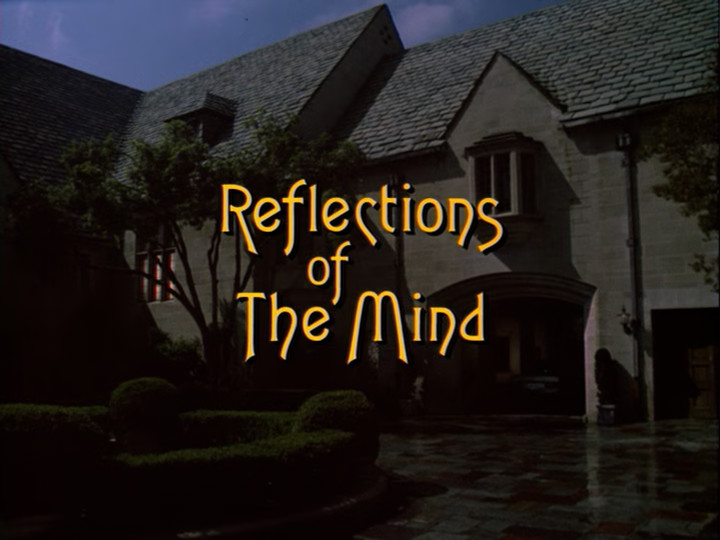
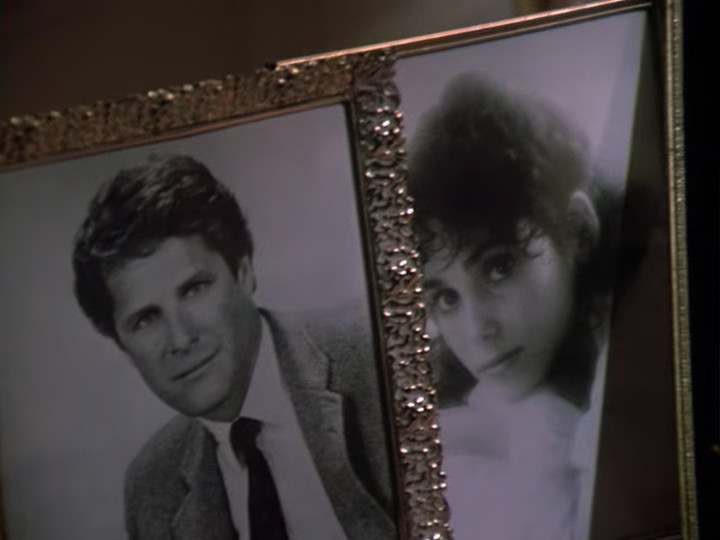
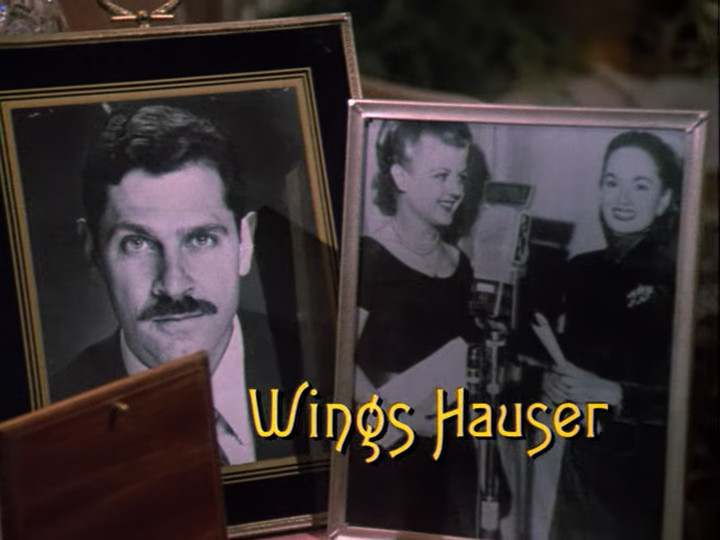
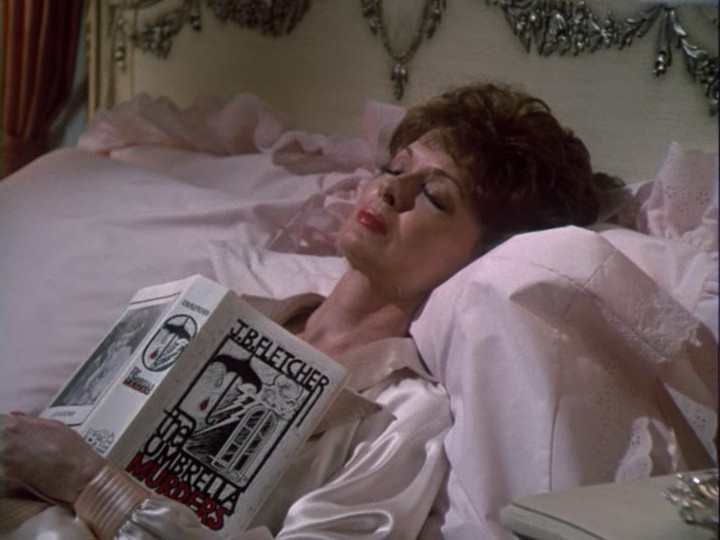
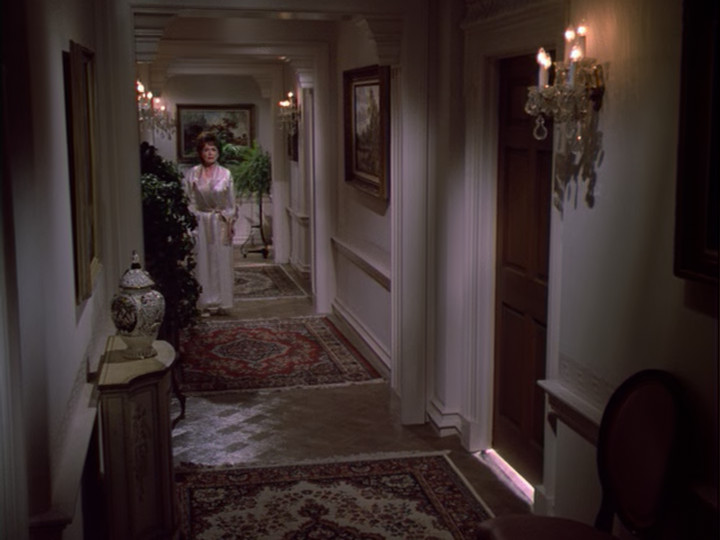
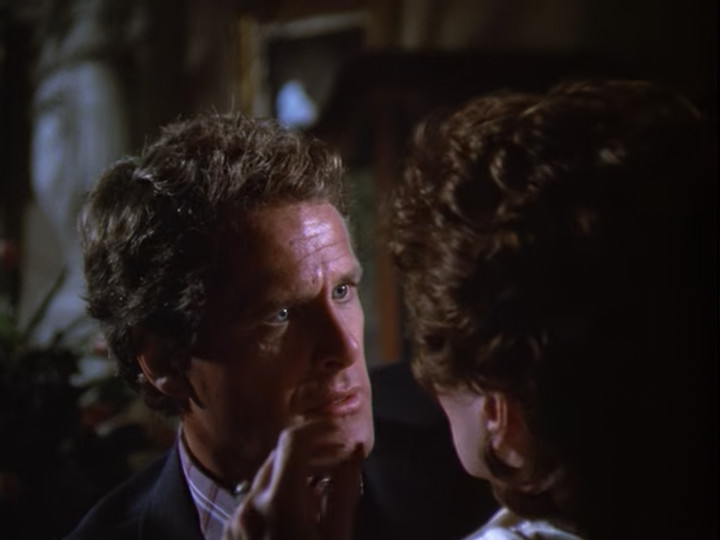
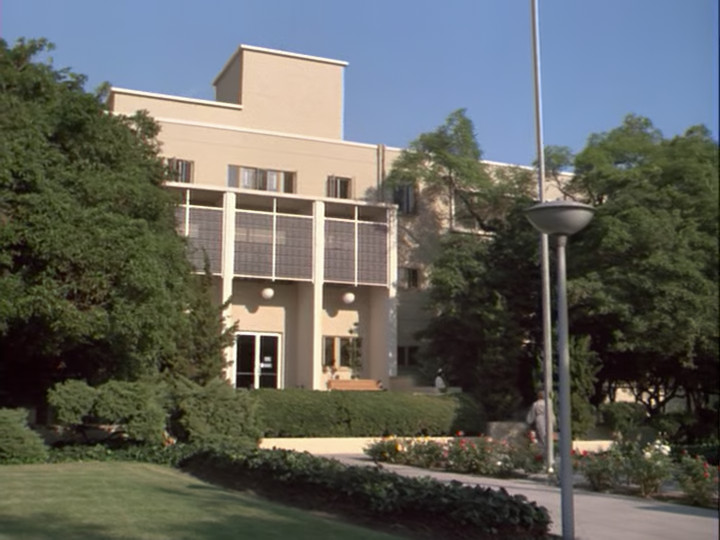
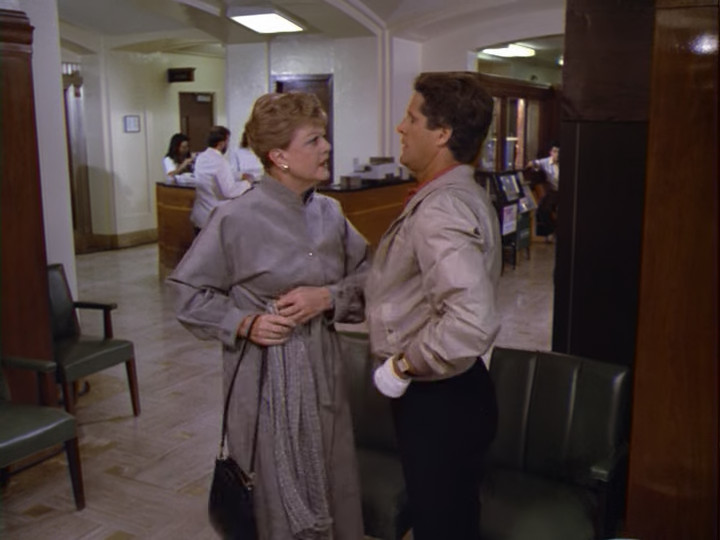
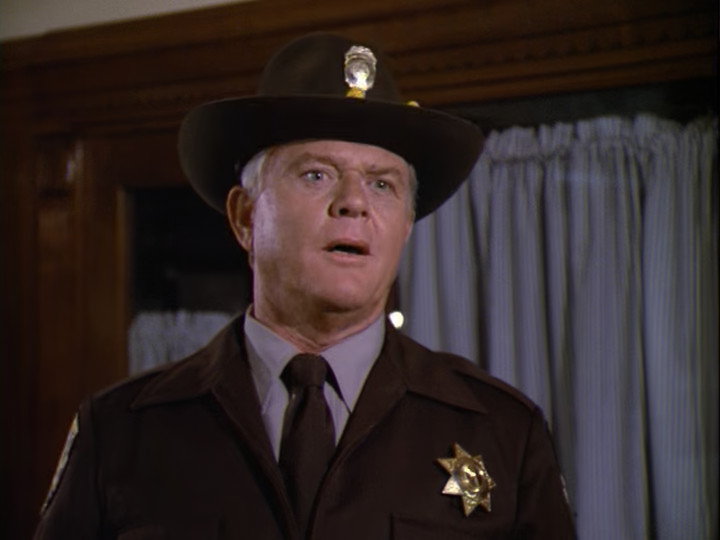
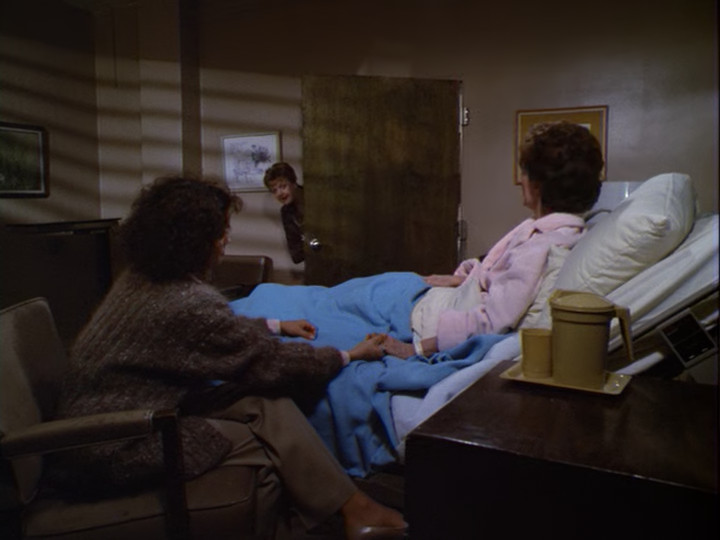
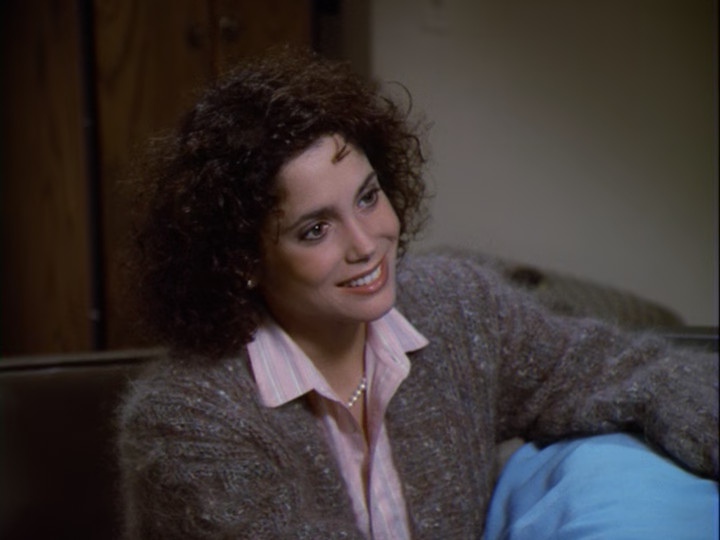
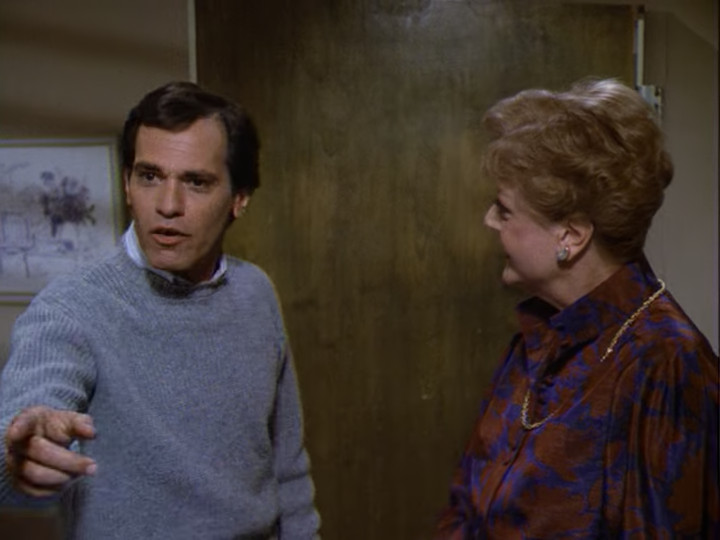
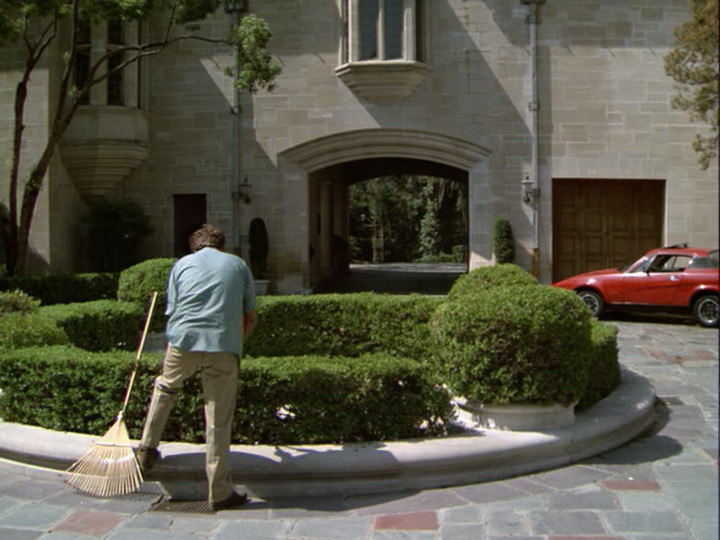
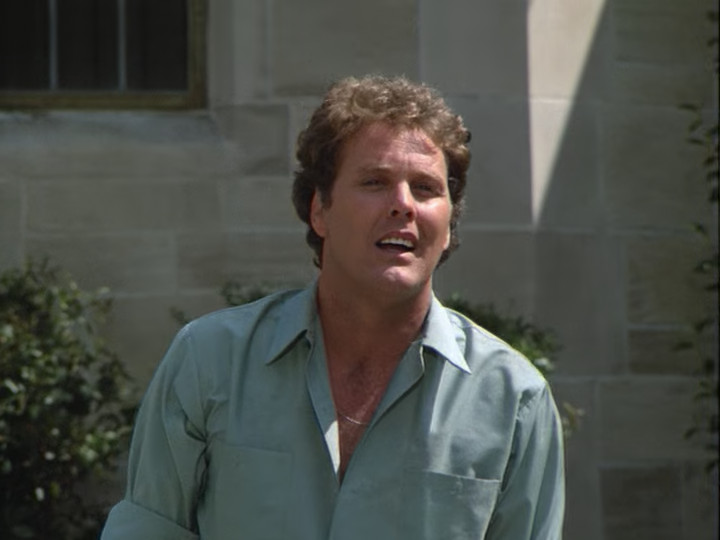
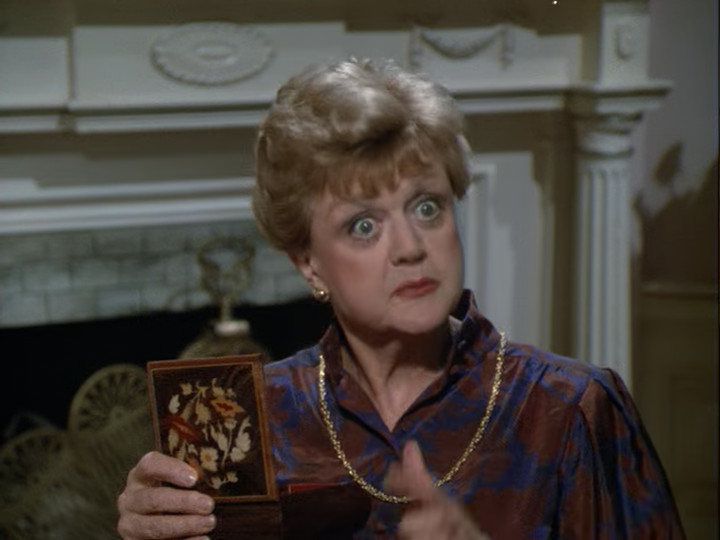
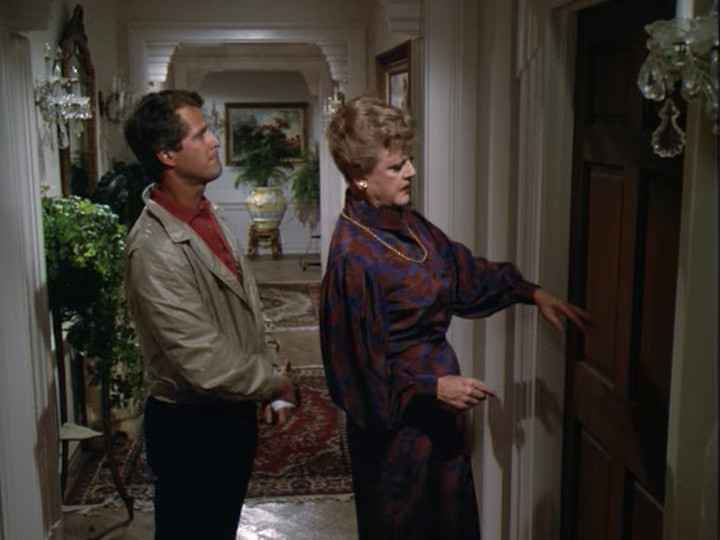
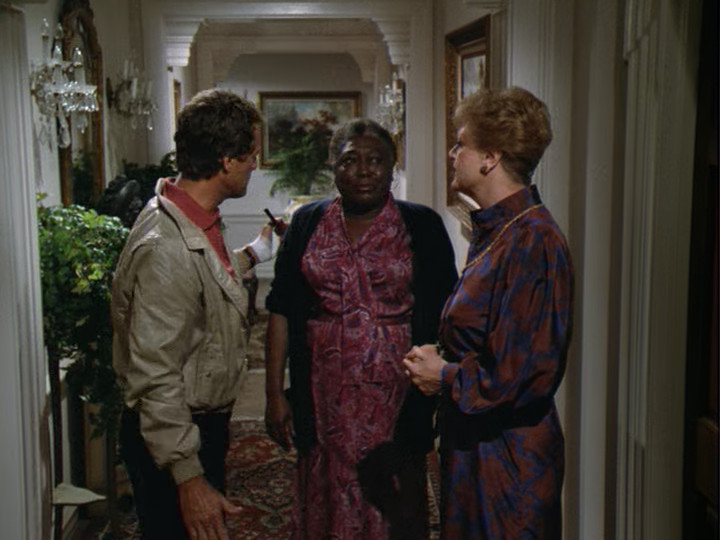
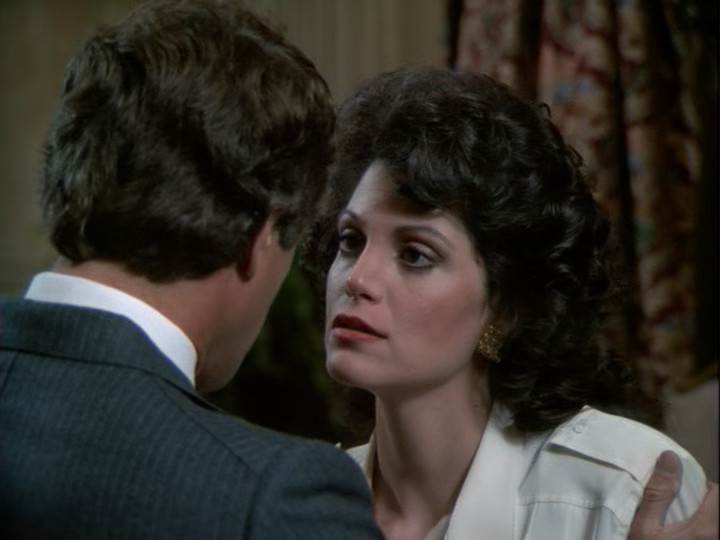
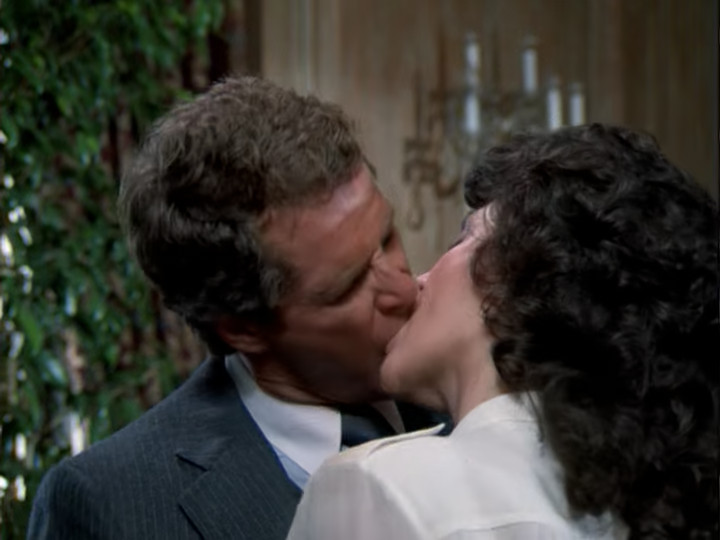
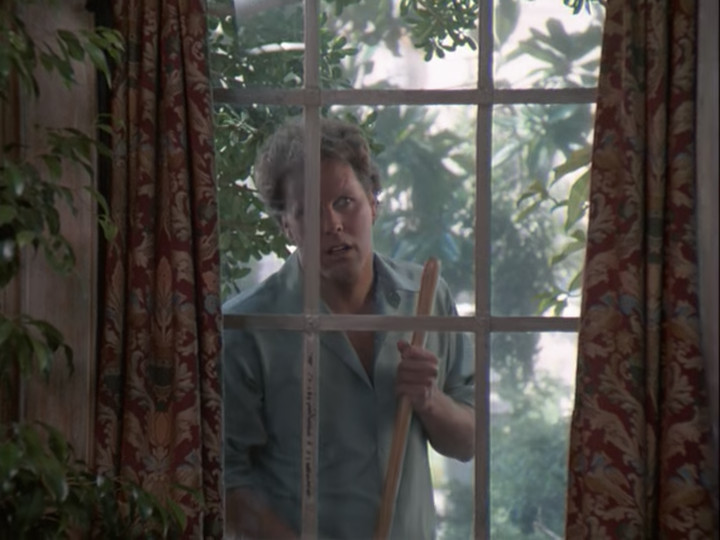
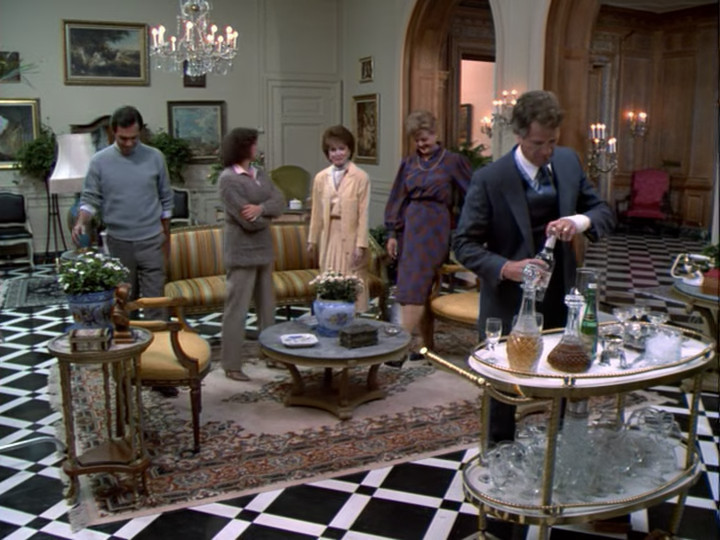
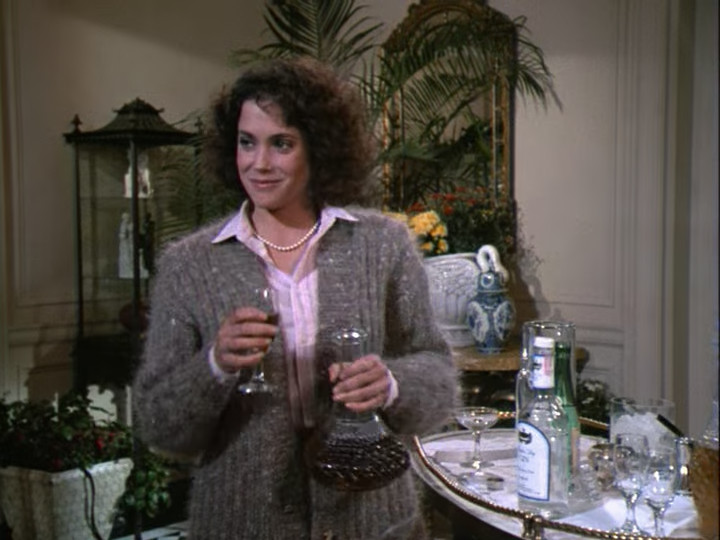
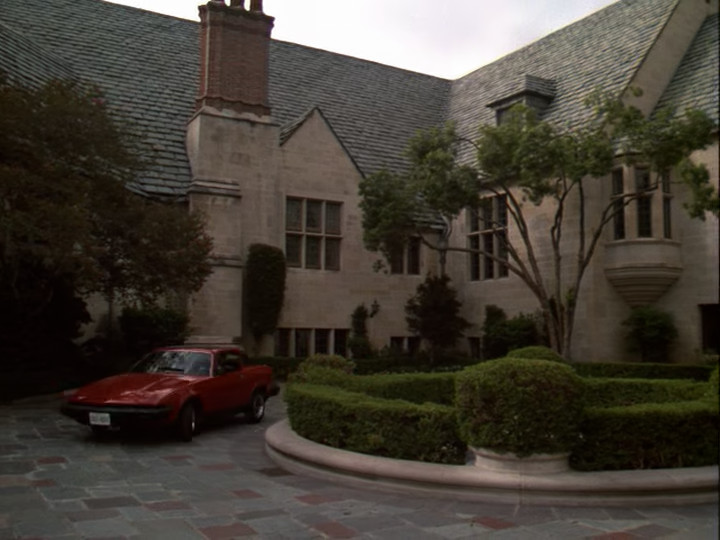

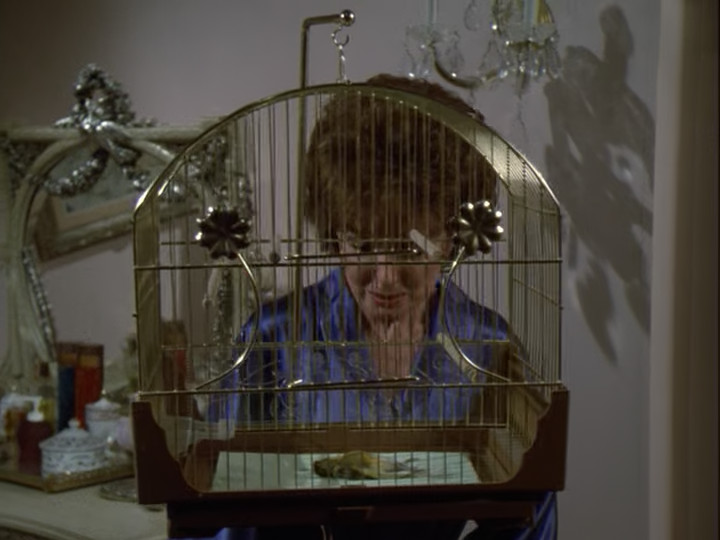
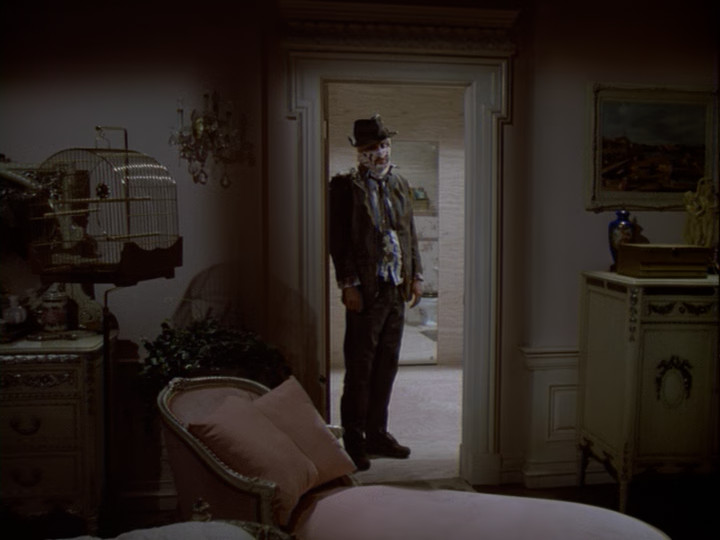

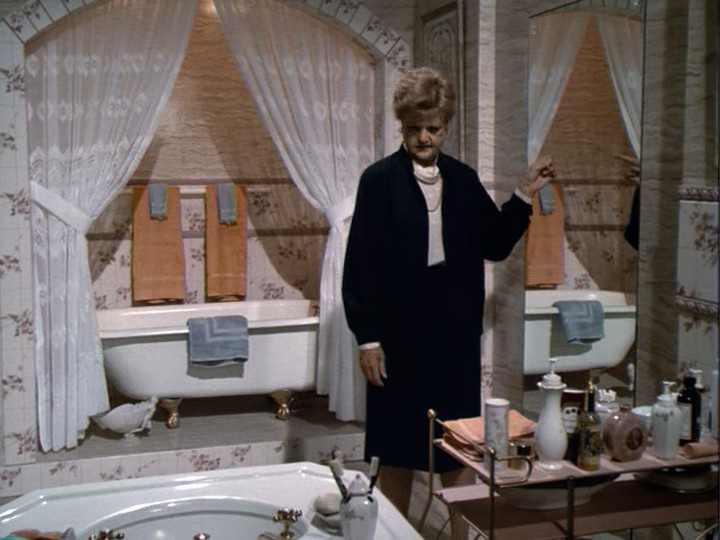
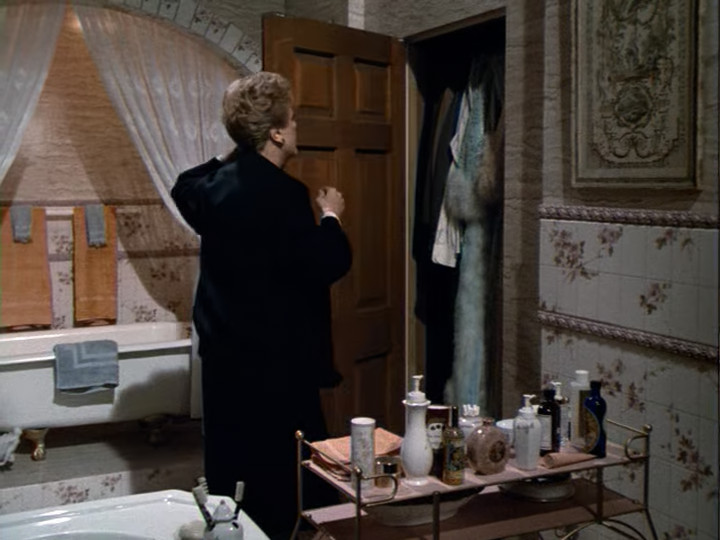
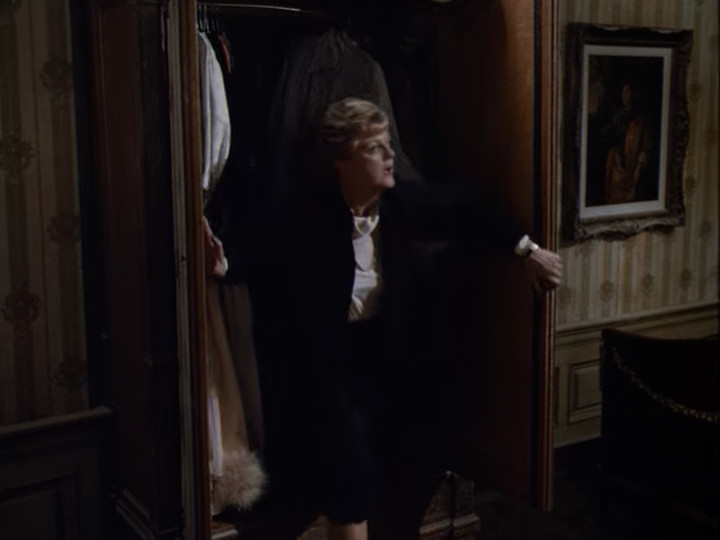
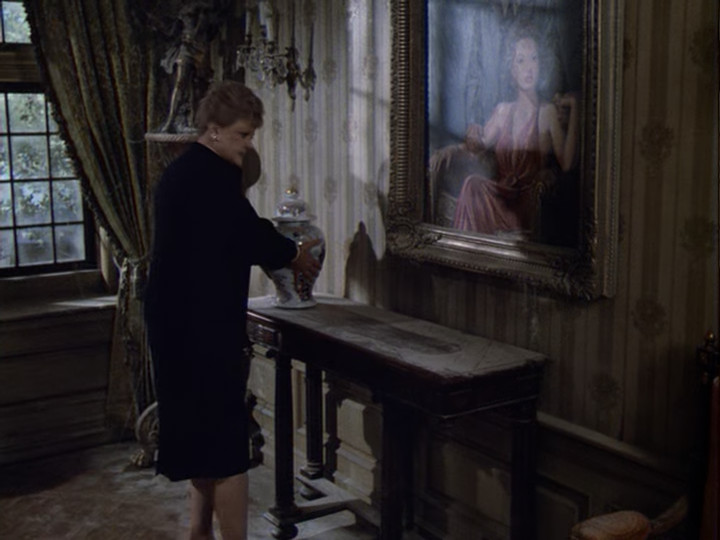
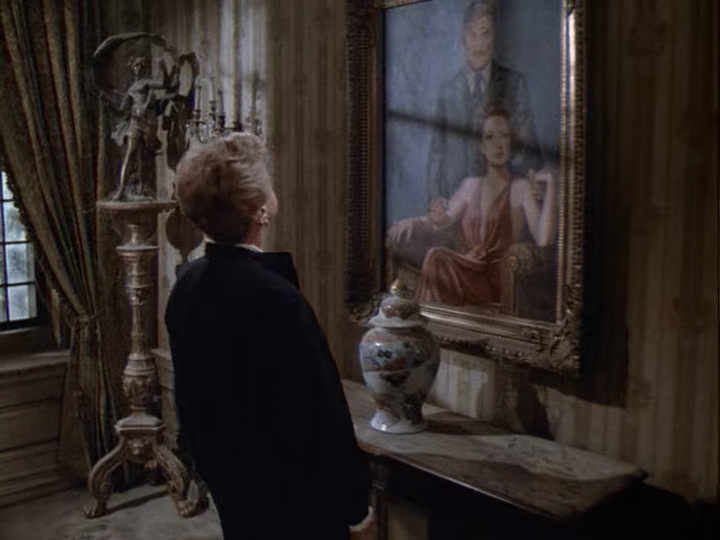
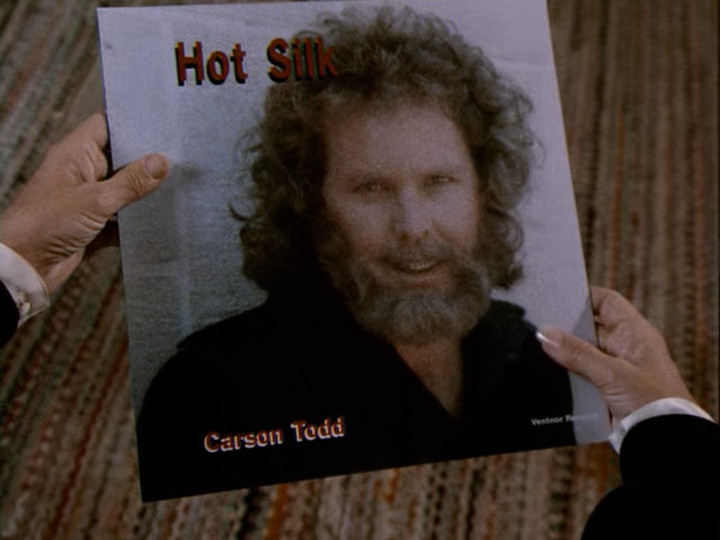

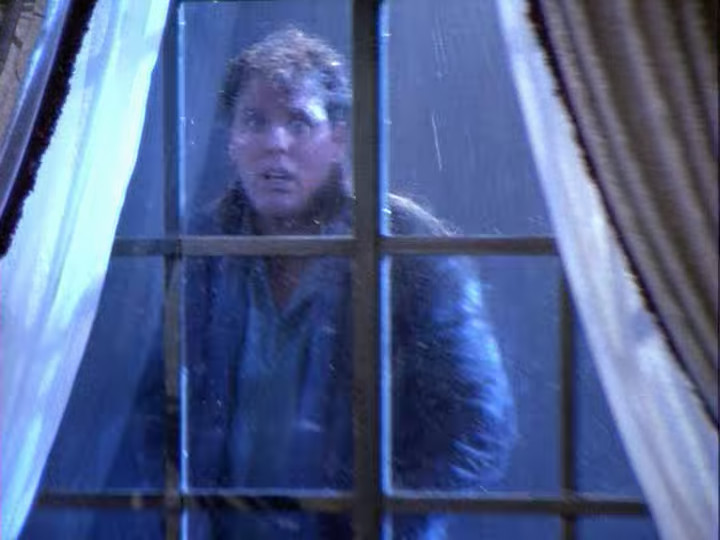
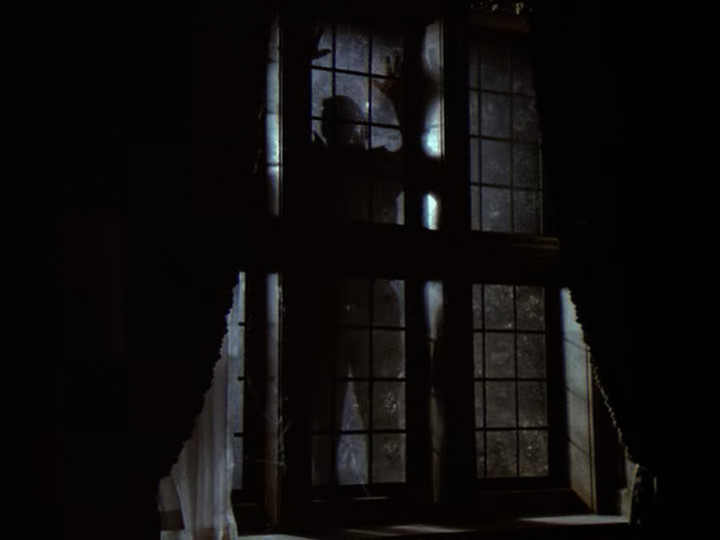
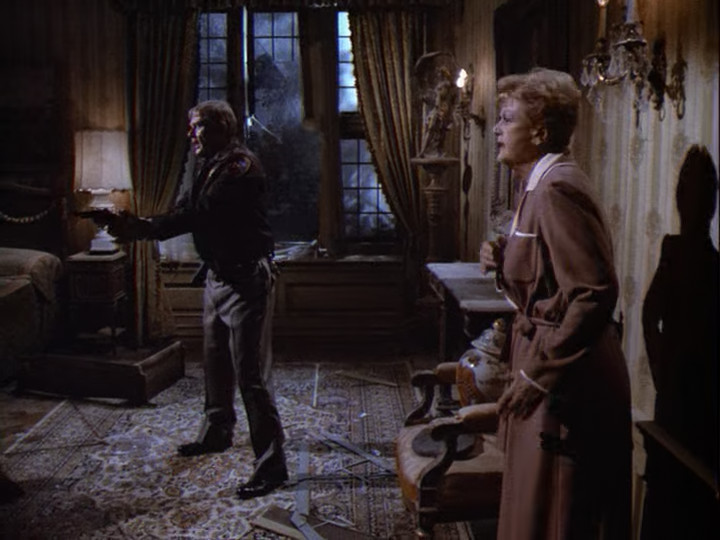
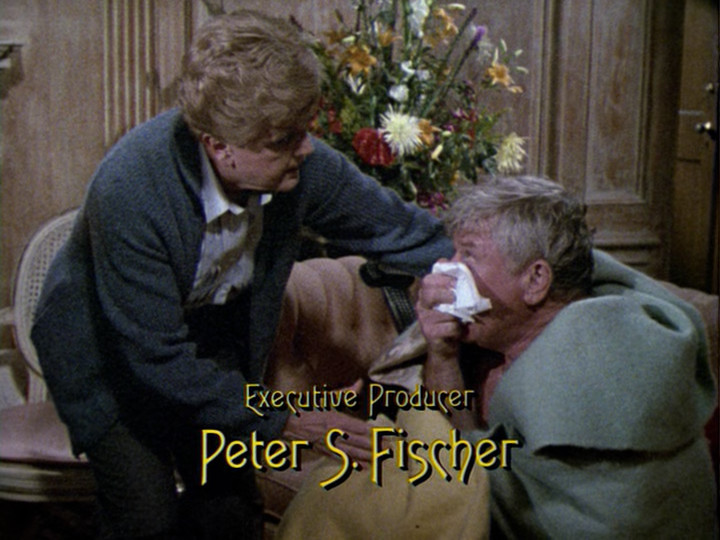

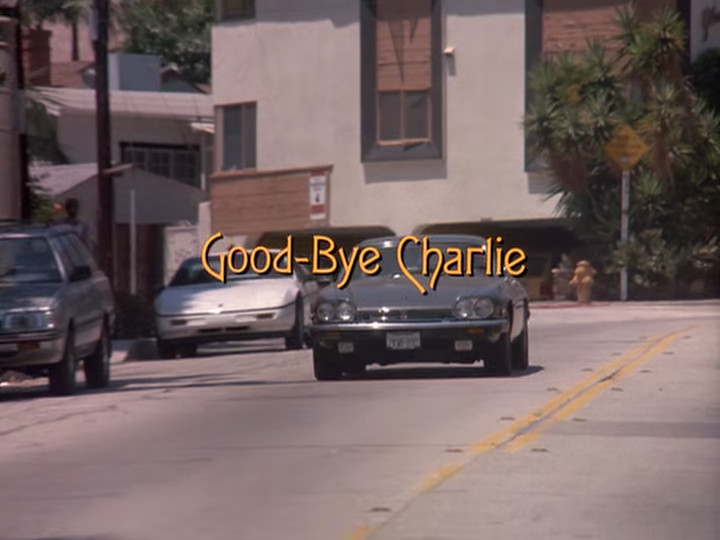
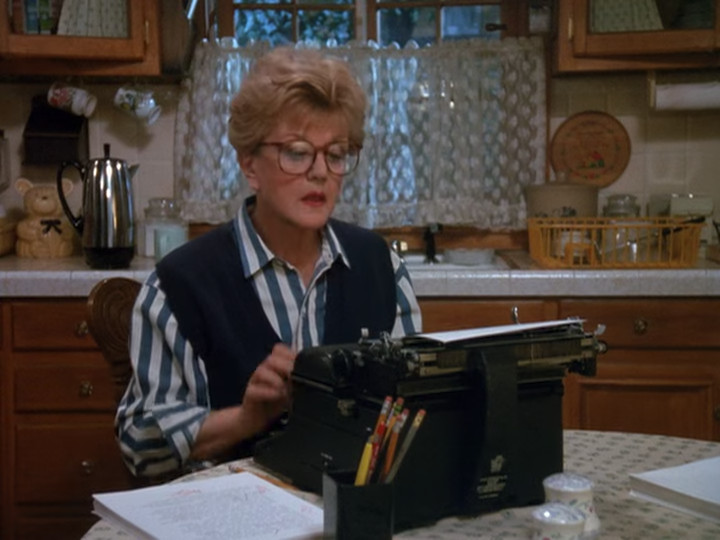
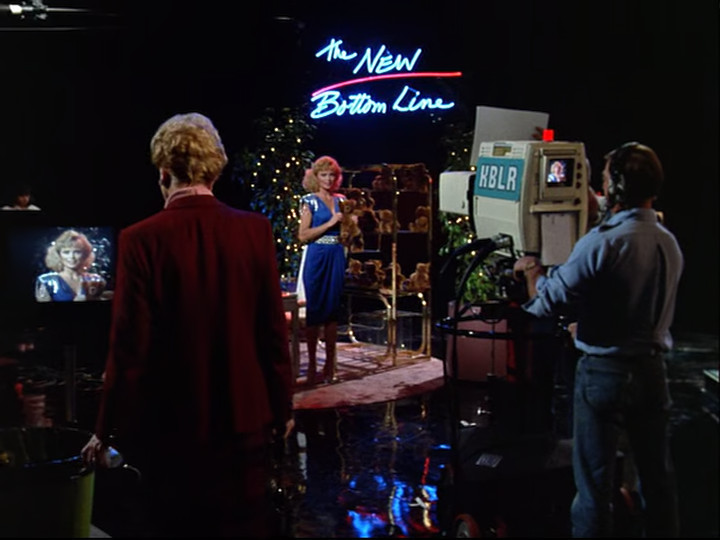

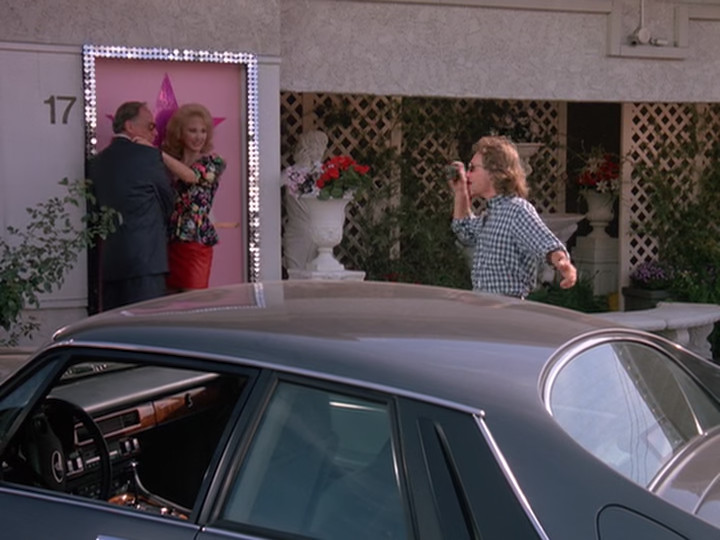
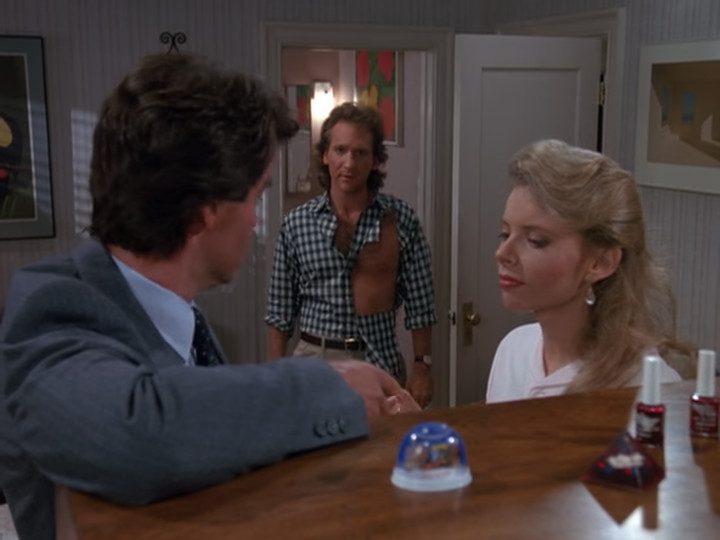
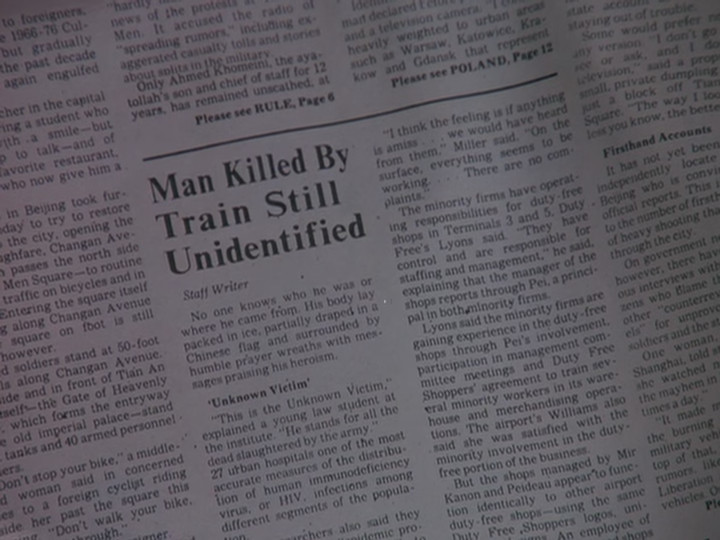


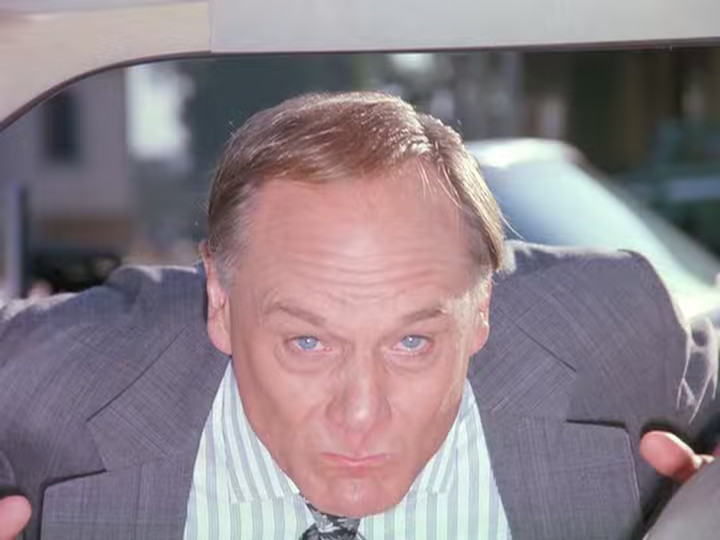
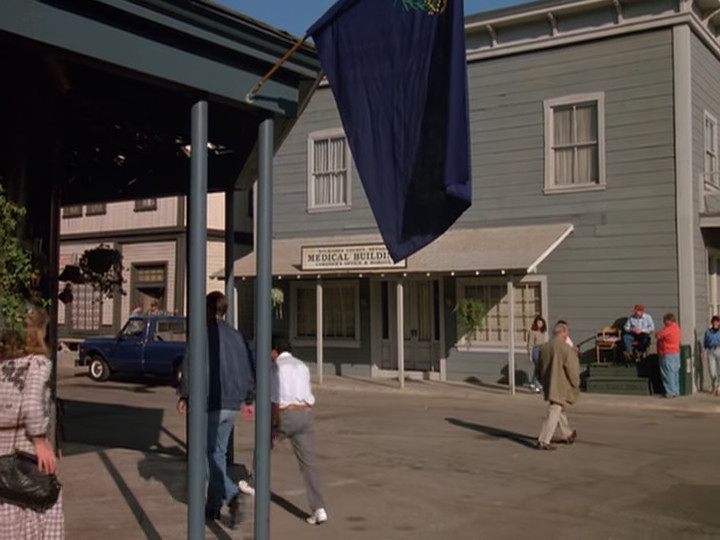
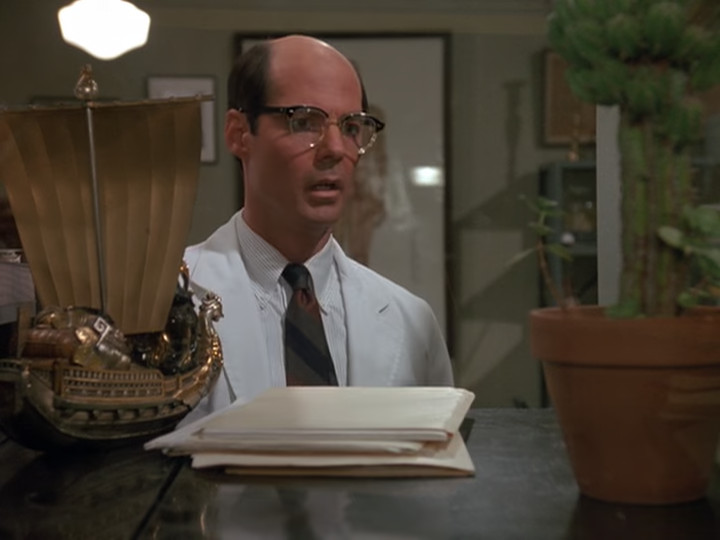
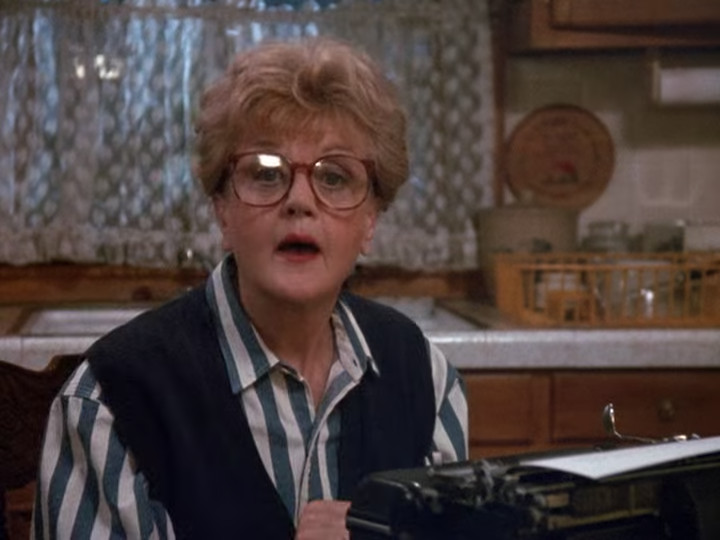
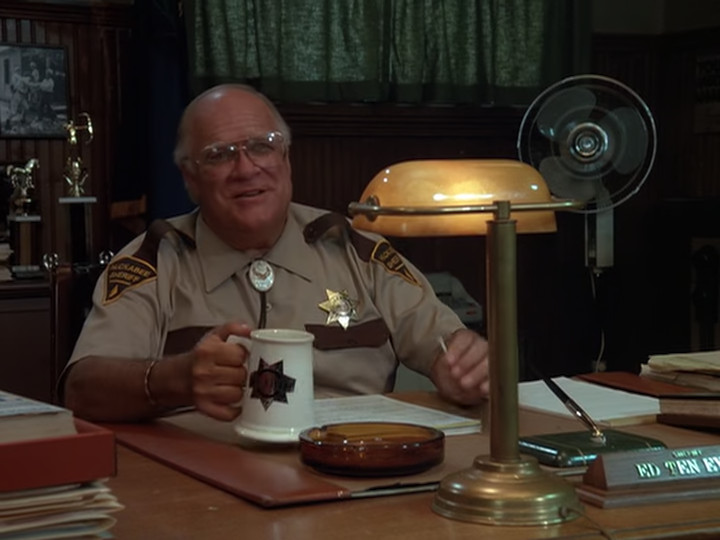
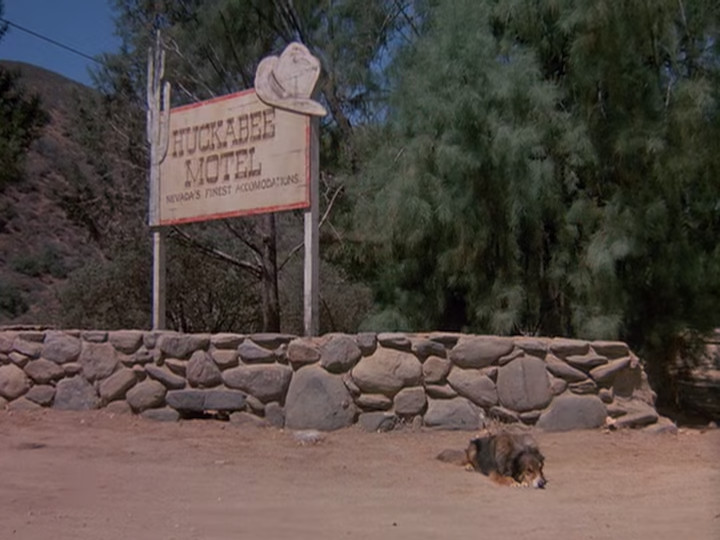

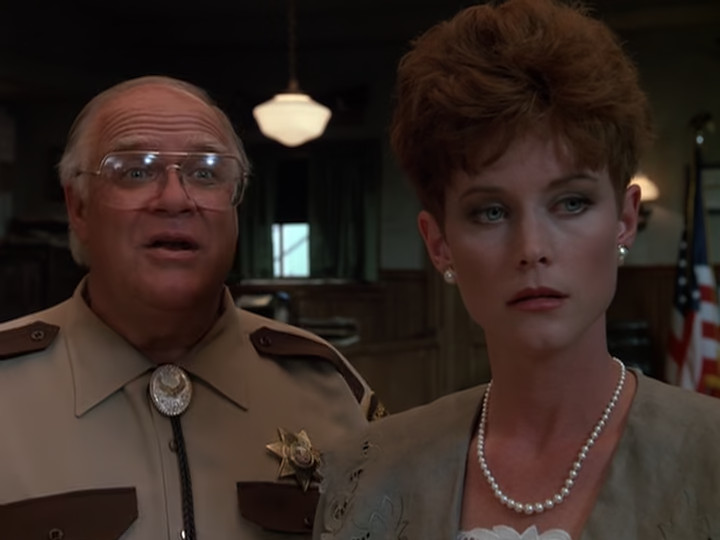
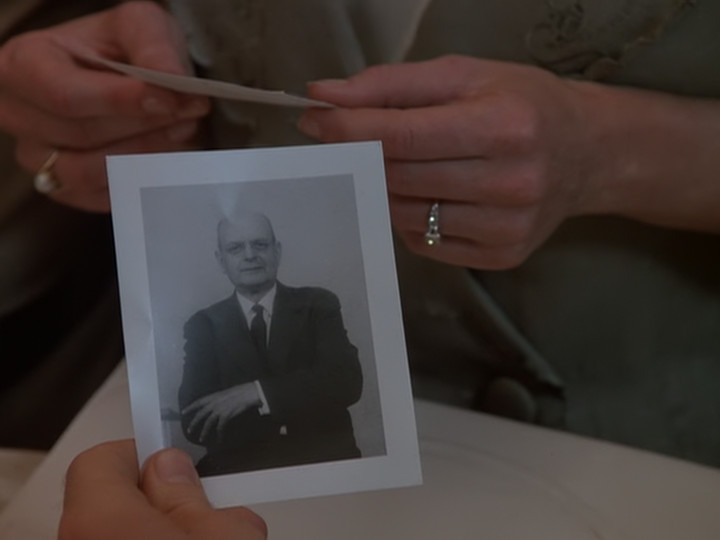
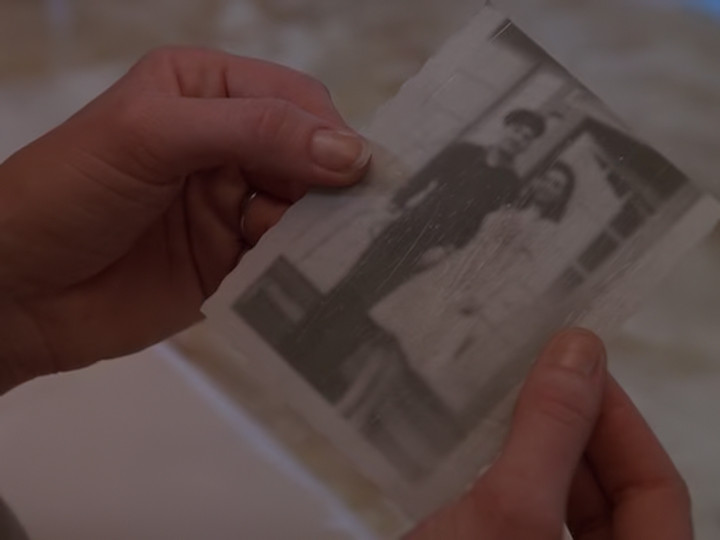
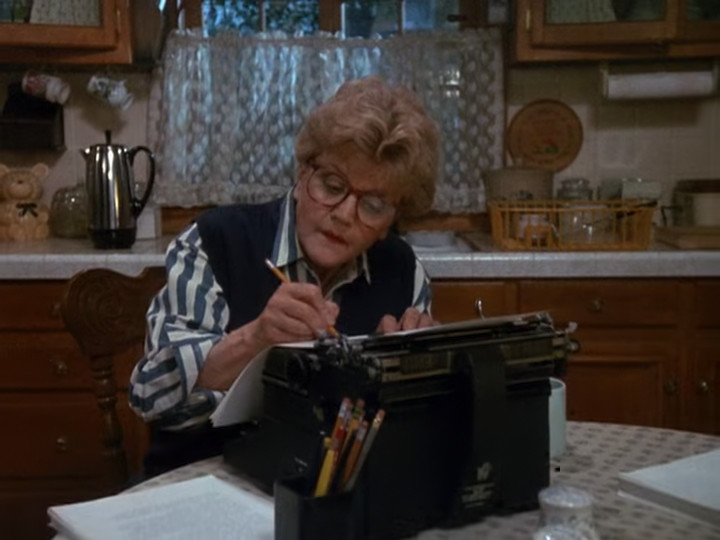
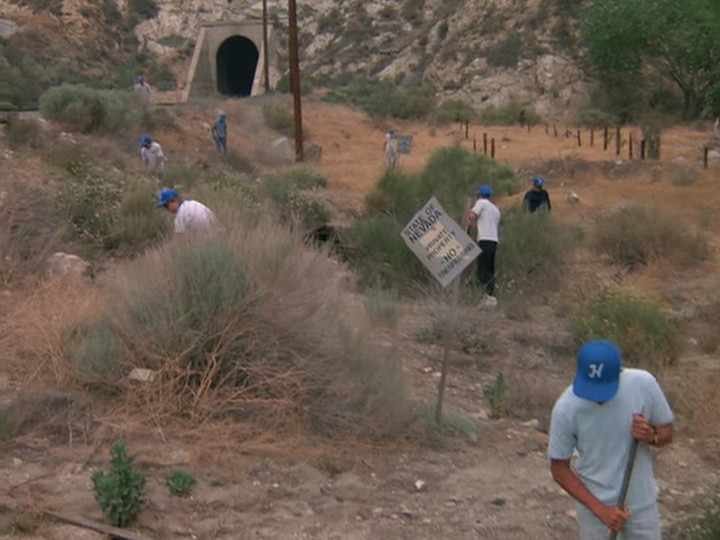



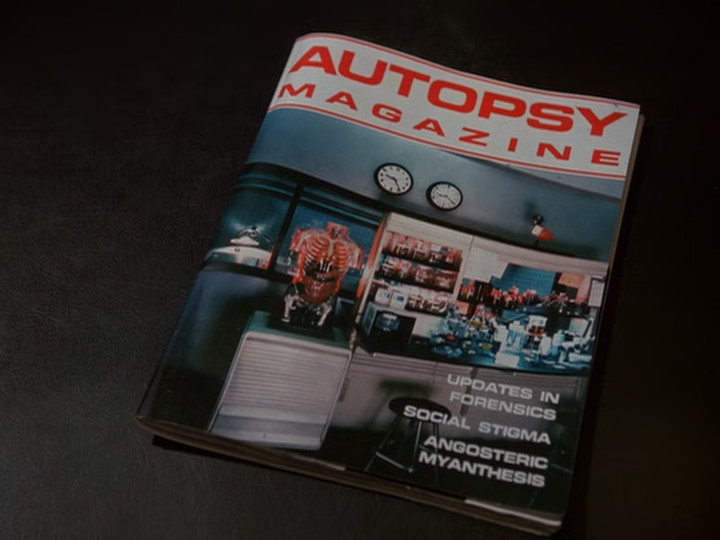
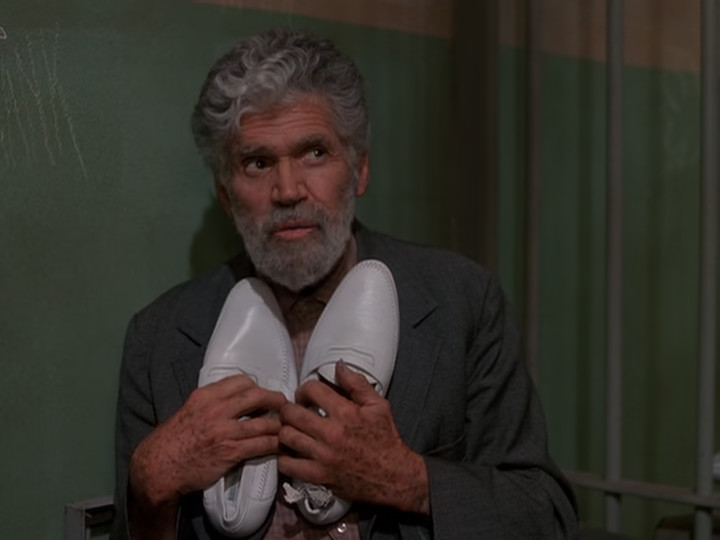
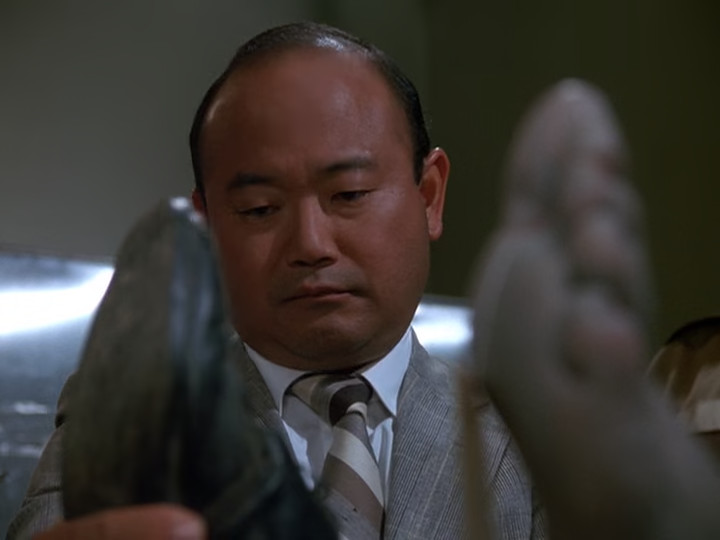
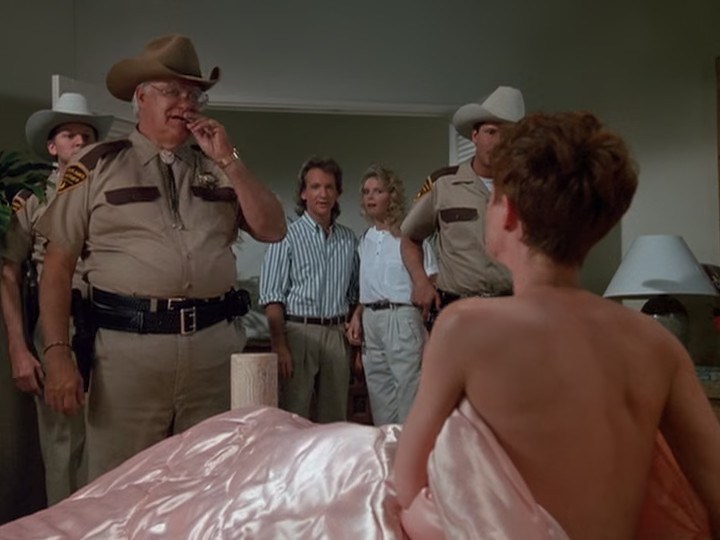

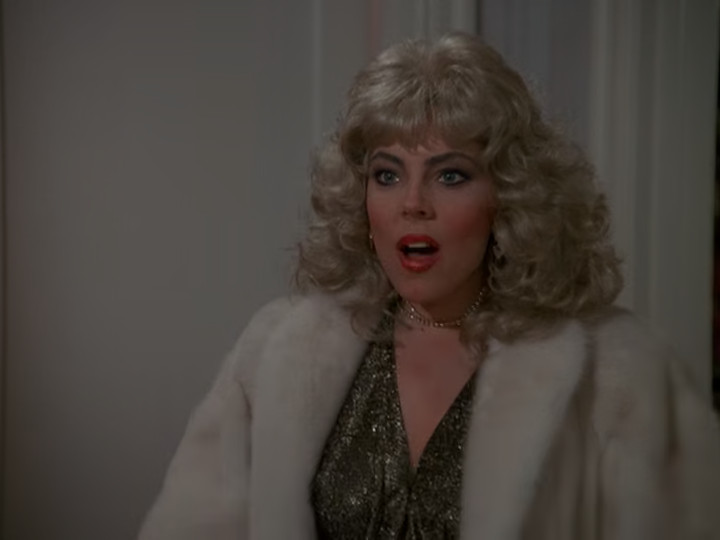
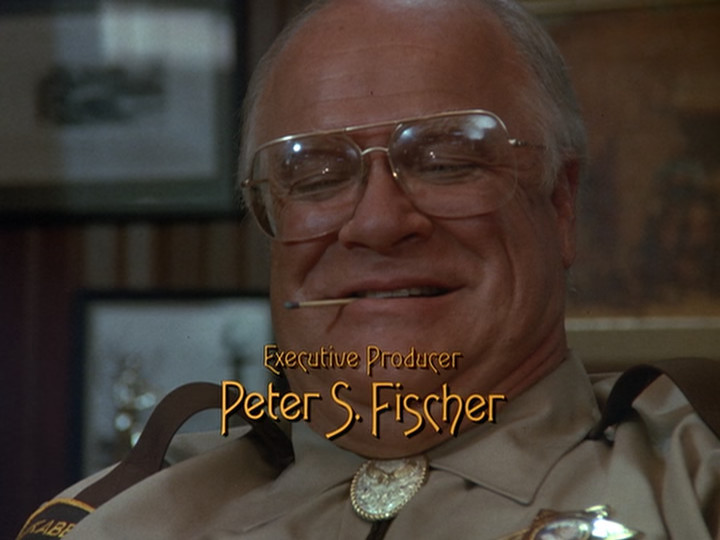


You must be logged in to post a comment.