Dr. John Watson, the celebrated friend and biographer of Sherlock Holmes, has been portrayed and regarded in many ways, though rarely have they been flattering. The attitude may, perhaps, have been best summed up in one of Fr. Ronald Knox’s ten commandments for detective fiction:
The stupid friend of the detective, the Watson, must not conceal any thoughts which pass through his mind; his intelligence must be slightly, but very slightly, below that of the average reader.
This conception of Watson as a “stupid friend” may have reached its climax in the portrayal of Dr. Watson by Nigel Bruce, who played the character opposite to Basil Rathbone’s Sherlock Holmes.
This description by Loren Estleman of Nigel Bruce’s Watson, which I saw quoted on Wikipedia, is an exaggeration, but not a great exaggeration:
If a mop bucket appeared in a scene, his foot would be inside it, and if by some sardonic twist of fate and the whim of director Roy William Neill he managed to stumble upon an important clue, he could be depended upon to blow his nose on it and throw it away.
But neither of these are really true to the character of Watson. This can be seen most clearly, I think, in The Hound of the Baskervilles, which shows Watson at his finest. Watson actively investigates, in Holmes’ absence, with intelligence and confidence. He finds useful clues. All of which makes sense, because Watson is a doctor.
If you consider what a doctor does, you will quickly see that it is very similar to what a detective does. People come to the doctor with their problems. They have a few clues as to what has gone wrong, though these are normally called by the medical jargon, “symptoms.” The doctor will then interrogate the patient about things things which have happened—things which may seem to the patient irrelevant or unimportant. He may probe the patient’s body to gain further evidence. He then uses his imagination to think of what might be wrong that caused these symptoms and gather further, more directed evidence, to prove or disprove this hypothesis. Once he is confident, he or the patient or both will act on this and—if he was right—bring a resolution to the problem, or at least as much of a resolution as the situation allows. This is also a description of what a consulting detective does.
Holmes is more intelligent than Watson; he has also developed quite a good deal more specialized knowledge than Watson, and for these reasons can solve problems which are impenetrable to Watson. But he is not completely unlike Watson. Indeed, it is this similarity, though in different fields of application, which allows Watson to appreciate Holmes’ genius. Most people were irritated by Holmes, but Watson could follow Holmes’ explanations, once he gave them, and appreciate how he could have done it if he had only done a better job. That is to say, the thing which allowed Watson to appreciate Holmes was the fact that Watson was, himself, a detective of middle-rate skill. Which is no small thing.
The modern world is so accustomed, because of the cheapness of digital reproduction, to having the best that we have lost sight of the value of anything but the best. This has gotten so bad we often turn our nose up at the second-best and treat third-best as if it meant third-rate. When we look at the Olympics we care who won the gold medal and sometimes give a thought to who won the silver medal, but often look at the bronze medal as if it was a consolation prize or participation trophy. And yet, for most groups of Olympic medalists, if you were to re-run the event ten times on ten different days, all three of the competitors would probably win gold at least once and all three would take bronze at least once. No one is so outstanding that he does not have a bad day and everyone near the top occasionally has good days. And, more to the point, the bronze medalist would, on any normal day, be able to beat virtually anyone you put him up against. That is to say, he may have taken third place, but he’s still first-rate.
This is where people go wrong with Watson, I think. Watson was not Holmes’ stupid friend. Watson was Holmes’ intelligent friend. So much so that in Watson’s area of specialization—medicine—Holmes always deferred to Watson’s judgement. Watson did not come close to the heights that Holmes could reach, within Holmes’ area of specialization, but there is a very good reason why Holmes confided in Watson and not in other men. Watson was intelligent enough, and enough of a detective, that he could appreciate Holmes.
Indeed, this is what made Watson such an excellent biographer of Sherlock Holmes. He was low enough that he could make Holmes relatable to the common man but high enough that he could understand Holmes when he explained himself—unlike the common man. Watson does not appear in a good light when standing next to Holmes, but when he was on his own many people came to Watson with their troubles and through his own intelligence and knowledge he helped them.
Recently, I’ve been watching both the Jeremy Brett Sherlock Holmes as well as the David Suchet Hercule Poirot series and it was really born in upon me what an enormous leap in technology there was from the 1890s to the 1920s. These hit more in the TV shows than in the stories, I think, because the TV shows add in all of the clothing and set decoration which is visually necessary but which prose does not need to describe. But of course the differences in the prose description are immense, too.
Perhaps the biggest difference is the ubiquity of the telephone in Poirot. People do pay calls on each other, of course, but they also call each other on the telephone quite frequently. There were, in Holmes’ day, telegrams, and the mail was picked up and delivered several times a day such that in some cases a letter written in the morning might, under favorable circumstances, find its way to its recipient by the evening, but quite often by the morning of the following day. But as fast as these things were, the telephone is enormously faster. This speed shrinks the world—which is to say that Sherlock Holmes lived in a bigger world than did Hercule Poirot.
You can also see this in the ordinary manner of transportation: Sherlock Holmes took horse-drawn cabs within London and trains to everywhere else. Hercule Poirot mostly took cars and only occasionally took trains. But Poirot also flew on airplanes and took steam ships.
That last part probably needs a little elaboration, since ships have sailed since before the birth of Christ and in Sherlock Holmes’ time there were plenty of passenger ships sailing and sometimes steaming around. But the thing is, you very rarely see Holmes take any of these, for the excellent reason that ships were, at that time, still dangerous. By Poirot’s time, the quality of ships and of navigation had improved significantly; taking a vacation on a ship was a much more reasonable thing for a gentleman to do in the 1920s and 1930s than in the 1890s.
Steam ships are a bit of an oddity among these methods of transportation, as they are somewhat analogous to moving islands. But cars and aeroplanes also shrink the world.
Consider this bit from The Copper Beeches:
By eleven o’clock the next day we were well upon our way to the old English capital. Holmes had been buried in the morning papers all the way down, but after we had passed the Hampshire border he threw them down and began to admire the scenery. It was an ideal spring day, a light blue sky, flecked with little fleecy white clouds drifting across from west to east. The sun was shining very brightly, and yet there was an exhilarating nip in the air, which set an edge to a man’s energy. All over the countryside, away to the rolling hills around Aldershot, the little red and grey roofs of the farm-steadings peeped out from amid the light green of the new foliage.
“Are they not fresh and beautiful?” I cried with all the enthusiasm of a man fresh from the fogs of Baker Street.
But Holmes shook his head gravely.
“Do you know, Watson,” said he, “that it is one of the curses of a mind with a turn like mine that I must look at everything with reference to my own special subject. You look at these scattered houses, and you are impressed by their beauty. I look at them, and the only thought which comes to me is a feeling of their isolation and of the impunity with which crime may be committed there.”
“Good heavens!” I cried. “Who would associate crime with these dear old homesteads?”
“They always fill me with a certain horror. It is my belief, Watson, founded upon my experience, that the lowest and vilest alleys in London do not present a more dreadful record of sin than does the smiling and beautiful countryside.”
“You horrify me!”
“But the reason is very obvious. The pressure of public opinion can do in the town what the law cannot accomplish. There is no lane so vile that the scream of a tortured child, or the thud of a drunkard’s blow, does not beget sympathy and indignation among the neighbours, and then the whole machinery of justice is ever so close that a word of complaint can set it going, and there is but a step between the crime and the dock. But look at these lonely houses, each in its own fields, filled for the most part with poor ignorant folk who know little of the law. Think of the deeds of hellish cruelty, the hidden wickedness which may go on, year in, year out, in such places, and none the wiser. Had this lady who appeals to us for help gone to live in Winchester, I should never have had a fear for her. It is the five miles of country which makes the danger.
The flaw in the argument is that people in cities are, for the most part, indifferent to the sufferings of their neighbors. People rarely call the police and do not want to get involved. And cities attract people who want to find participants in their favorite vices, while no one goes out to the country to find people with whom to take their favorite recreational drugs and engage in sexual practices with strangers. This is all quite beside the point, though. Holmes is quite right that, in his day, the houses in the country were quite isolated. But this ceases to be true in the age of the telephone. Hercule Poirot lives in a smaller world than does Sherlock Holmes.
These are very half-formed thoughts and I have no strong conclusion. But this interests me greatly, and I think it’s worth paying attention to.
On the seventeenth day of March in the year of our Lord 1985 the eighteenth episode of the first season of Murder, She Wrote aired. Set just outside of Cabot Cove, it was titled Murder Takes the Bus. (Last week’s episode was Footnote to Murder.)
The episode actually begins with Jessica and Amos discussing their travel plans to some kind of meeting of the Maine Sheriff’s Association. Since the car isn’t working and they’ll have to take the bus, they’re likely to miss the hors d’oeuvres, which disappoints Amos greatly.
But they should be there in time for the drawing—they’re giving away a big screen TV—and Amos feels that it’s his lucky night. (At the time, a “big screen TV” would have been a large, heavy cathode ray tube TV whose screen measured around thirty inches, or perhaps a little bigger. There were projection televisions of the time that might measure up to sixty inches, but they were extremely uncommon, especially because they had pretty poor picture quality, even by the standards of the day.)
At the bus stop we meet a few characters. Here’s Cyrus Leffingwell. He’s got a thick Maine accent and likes local busses because you can sit back and enjoy yourself.
Also, from the smell of the air (and the occasional bit of thunder that we can hear) he predicts that it will be raining in twenty minutes.
A moment later the bus comes and people begin to board. Jessica is surprised to see a new bus driver, as a fellow named Andy Reardon normally runs this route. The bus driver explains that Andy has the flu.
There are not a great many people on the bus, but we get a look at a few of them.
This is Kent and Miriam Radford. Kent is a professor. Miriam recognizes Jessica—she’s a fan.
Sure enough, the storm overtakes the bus and it begins to rain hard before long.
Also, probably not entirely by coincidence, but unusual for Murder, She Wrote, the first shot we get of the bus driver’s face coincides with the guest star credit for the actor playing him.
As the bus makes its way through the stormy night, it comes up to the state prison, where a man who has been standing in the rain hails the bus. We know it’s the state prison because of an establishing shot of a helpful sign:
The man gets on looks around, noticing something that gives him pause.
He’s going to Portland and doesn’t have a ticket, but apparently on this bus line you can pay the fair in cash. Which he does. After receiving his change, he silently walks to an available seat and sits down.
Jessica notices the book he’s holding.
The original shot was very dark and I could barely make out the title, so I edited it to increase the exposure. It’s a well-worn copy of The Night the Hangman Sang. (So far as I can tell, that’s not a real book.)
A bit later, they run into an obstruction. A man in a yellow raincoat boards the bus for a moment to explain that powerlines are down and while they can get through, they need to be very careful. There is also a fair amount of flooding. The road is open, but the guy doesn’t know for how long it will remain so.
Quite unusually for Murder, She Wrote, we’re about five minutes into the episode and still getting the occasional credit. This is quite the slow opening, though the suspensful music helps by letting us know that it is going somewhere.
After a while of the bus continuing on its journey, Miriam gets up from her seat and sits in one behind Jessica and introduces herself. She’s a huge fan and tells Jessica that she’s in Miriam’s top ten most stolen list—Miriam is a librarian. They’ve had to replace Jessica’s books dozens of times over the years.
Some time later, a man who just got out of a broken-down car hails the bus. He gets on and inquires the fair to Portland.
The bus driver asks if he was the one following the bus for quite some time and he replies that he was—he thought it would be safer with the bus taking the brunt of the storm. He adds that he’s now sorry that he passed the bus and finds a seat.
As he puts his coat into the overhead compartment, he inadvertently reveals that he’s carrying a gun.
Jessica notices, and some sinister music plays.
Some time later, the bus pulls up to a diner. The bus driver calls back to the passengers that they seem to be having some engine trouble. They’re welcome to get out and stretch their legs while he checks it out.
As the passengers shuffle off the bus, Jessica notices the name of the bus driver.
Inside the diner, as the people from the bus file in, we get some characterization. The owner of the diner is surprised to see them—he heard on the radio that the road was closed—but friendly. The professor (Kent) says some extremely nerdy things which confirm his professorhood. There’s also a little bit of bickering, which helps to establish how much people would rather get to their destination than be inconvenienced.
When Amos gets up to look at the menu, Jessica notices something in the bus out the window.
I’ve upped the brightness in the dark areas a bit, but even so, you can’t really tell who those people are. They do seem to be having a bit of an argument, though—there are some angry gestures.
A while later, after Jessica and Amos finished the pie that they ordered shortly after coming in, the bus driver comes in and says that they’re not leaving soon, he just needs to rest for a bit. Amos goes to a payphone outside to call Portland and let them know what’s up—it turns out Jessica is supposed to give a speech at the event—and Jessica goes out to the bus to get the book she was reading and forgot to bring in with her.
On the bus there is only the man who was picked up just outside of the prison, apparently asleep. When Jessica tries to wake him for some reason, his head lolls over and it turns out that he’s dead.
And on that bombshell, we fade to black and go to commercial.
Had you been watching in 1985, you might have seen a commercial like this:
When we come back from commercial break, Jessica has brought Amos and they’re examining the body. He suggests notifying the bus driver and not moving anything until the coroner arrives. Jessica convinces Amos to at least do a little investigating, even though he’s out of his jurisdiction, because the killer had to be one of the people on the bus and it will be some time until the authorities arrive.
Amos consents and checks the corpse’s pockets, but there’s nothing in them.
Jessica remarks that it’s ironic that the man should be killed the very day he’s released from prison. I don’t see how it’s ironic in any way, but they had to work in that he was recently released from prison somehow. Anyway, Amos objects that he could have been a visitor or a weekend guard. Jessica doubts it, though. He’s wearing a new suit, he has on new shoes, and paid for his bus fair with crisp new bills.
Looking around, they find his wallet on the floor. It contains the man’s release paper—his name turns out to be Gilbert Stoner—some money, an out-of-date driver’s license, and a photograph. Jessica concludes that someone was looking for something. Then she notices that Gilbert’s suitcase is missing.
She then looks down at the body and in a flash of lightning she notices some smudge marks on his neck and on the collar of his shirt.
Just then Miriam comes onto the bus to get a book. She then sees the corpse, screams, and nearly faints.
The scene then shifts to some time later with Kent comforting his wife and her crying about how awful it was. Cyrus then walks in and says that he tried to call the police but the phone line appears to be dead.
The owner of the store brings out some coffee for everyone and tells them that it’s on the house (an expression meaning that the store is paying for and there’s no charge to the people receiving it).
Amos then gets up and introduces himself. While he has no jurisdiction here, he has an obligation to assume authority until the local police arrive, and he hopes that they will cooperate.
Jessica then remembers where she heard the name “Gilbert Stoner” before. It was during some research she did for a book. He was involved in a robbery in a bank in Augusta. (Augusta is a town in Maine, about fifty miles north-east of Portland.) This rings a bell for Amos—the Danvers Trust Company.
The owner of the diner speaks up, saying that he remembers that being all over the TV for weeks…
…about fifteen years ago.
Kent then rattles off some information about it. Three men pulled it off but were apprehended. Cyrus concurs, though he says, “at least one of them was.”
At Jessica’s prompting, Amos then asks for everyone’s names, why they were on the bus, and where they were at the time of the killing. There is some grumbling at this and someone remarks that, “Obviously, he thinks that one of us killed him.”
Amos replies, “I think ‘obvious’ is the right word, sir. Unless, of course, this Stoner fellow somehow managed to reach up behind his head and stab himself in the back of the neck with a 10-inch screwdriver.”
Amos sometimes has a way with words.
Kent and Miriam introduce themselves—he’s an associate professor of Mathematics and she’s a college librarian (the head librarian, she points out). They’re on their way to Boston to do some research. Kent says that he was in the “video alcove” playing “Road Hog.”
Cyrus says that Kent is telling the truth—he heard Kent playing the game while he (Cyrus) was in the gift shop. Why a diner would have a gift shop, no one says. Cyrus mentions that he’s from Woonsocket, Rhode Island, is a retired mailman, and has no idea who the poor dead fellow is.
We then meet a young couple who have been on the bus and occasionally bickered in terms sufficiently suspicious-sounding that I was immediately convinced that they’re red herrings.
He’s Steve Pascal and the woman is his wife. Her name is Jane. He’s a computer engineer and they’re on their way to Portland. She was inside the whole time and he was outside trying to use the public phone. He couldn’t get through and eventually the line went dead.
Jessica interrupts to say that she saw him through the window having a heated discussion with Stoner on the bus. Pascal replies that it wasn’t heated at all—they just exchanged a few words, no more.
We then meet Joe Downing.
He’s captain of the fishing trawler MarySue, out of Gloucester. (Somebody had fun with the names, here.) He’s going back to his boat after having visited family, and like Cyrus, had never heard of Stoner before. He was in the bar, having a drink. (Earlier, he asked the owner of the diner if it was possible to get a drink and the diner owner said yes, but he’d need a few minutes to open the bar. This diner has a remarkable number of amenities.)
We then meet the guy who got on the bus after his car broke down. His name is Carey Drayson. He was in the men’s room drying off his clothes on the radiator. He adds that if his car hadn’t skidded off of the road, he wouldn’t have been there.
Jessica asks why he’s carrying a gun and in response he shows Amos his permit to carry a concealed weapon. He’s a jewelry salesman and needs to protect himself since he carries valuable jewels in the case he keeps with him.
The Sheriff then asks the bus driver about the screwdriver. He replies that he left the toolbox open in the front of the bus and anybody could have taken the screwdriver out. He was working on the engine the entire time so he wouldn’t have seen. He thought he heard some people get on and off the bus, and he heard some raised voices, but he didn’t pay attention.
Jessica then questions Steve Pascal. She says that he was lying about his conversation with the victim being peaceful. She further says that his resemblance to one of the people in the photograph that the victim was carrying is probably more than coincidental.
Without saying anything Steve gets up and takes a look at the photo.
I can’t say that I see the resemblance.
He looks for a bit, then says that he doesn’t have to answer Jessica’s questions, or anybody else’s either and walks off.
Jane (his wife) comes and looks at the photo. She protests that she knows that Steve didn’t kill Stoner. Amos asks who the man in the photograph is—he doesn’t specify which of the three he means—and she replies that “he” was Steve’s father. He was killed in the Danvers robbery along with an innocent bystander. The innocent bystander was a woman, but she doesn’t know more than that. Stoner and the other man got away, but they caught stoner three days later. They never caught the other man and never recovered the money from the robbery.
Jessica goes to investigate and we get some shots of various parts of the diner.
Jessica ascertains that the Road Hog video game makes plenty of noises as if one is playing even while no one is there—that was fairly common for arcade games of the time.
We also see a bit of what I assume is the gift shop:
Down at the end of the hallway is a door leading to the outside:
Amos counts it up and nearly every area anyone was in at the time of the killing has a door to the outside (the bar and kitchen do as well). Which means that anyone could have done it. They then decide to check outside.
In the bus, Amos notices a light on that concerns him. It suggests that a “damper switch” is on. (Amos mentions that he worked as a bus driver for a summer before he joined the police force.) Jessica then goes around checking the doors and finds that the door to the kitchen is unlocked. She checks the next door (the one to the hallway) but before she can open it she notices some clothing on the ground. As she investigates the door open and Steve is there, glaring at her and looking as ominous and menacing as humanly possible.
And on that bombshell, we fade to black and go to commercial.
When we get back from commercial Steve says that he wanted to talk to Jessica and she replies that she thought he might. He apologizes for losing his temper but he didn’t kill Stoner. She doesn’t acknowledge this but instead asks him to help her get the suitcase inside—it is Stoner’s, and getting wetter by the minute.
Inside, she and Amos inspect the clothing while Steve and his wife watch. After they don’t find anything, Jessica asks what the argument was about.
Steve said that the bank robbery ruined his life—he was in junior high when his father died and from that moment on he was the son of a thief—and he took the bus because he wanted to meet Stoner and demand his father’s share of the money. But when he met Stoner, he found that he was a wreck of a man. The robbery destroyed Stoner’s life as it had Steve’s father’s, and he (Steve) decided then and there that he wasn’t going to let it destroy his, so he just walked away.
Jessica asks how Steve knew that Stoner would be released today. In reply, Steve pulls out the newspaper clipping that announced it. Amos reads the clipping aloud, as it gives some more details. The innocent bystander who was killed was Julie Gibbons, who was 16.
The coincidence of the girl’s last name and the bus driver’s last name is not lost on anyone. And Amos tells Jessica that he had figured out who did it half an hour ago—presumably a reference to what he found out when he investigated the bus.
Back in the main part of the diner, Amos makes a citizen’s arrest of Ben Gibbons. He explains that he noticed that the damper switch was thrown—and explains that the damper switch is to be used only in an emergency of the engine running away. Once it is thrown, the engine cannot be restarted until the damper switch is reset by hand. The damper switch reset is way in the back of the bus and cannot be reached except by some kind of tool like a very long screwdriver. Which Amos takes to mean that the bus driver needed to take the screwdriver out himself and so no one else took it because he had it the whole time.
There are some flaws in this logic. While the damper switch being thrown does suggest that Ben threw it in order to waylay the bus, if the damper switch had not yet been reset by the time Amos inspected it, that means that Ben did not reset the damper switch and so there was no reason to conclude that he must have had the screwdriver. Also, Ben wearing a rain coat suggests that he was working outside the bus, and Amos seemed to go outside when he saw the damper switch light and excused himself to go look at something. So to murder Stoner inside the bus, Ben would have had to take out the long screwdriver then go inside the bus to murder Stoner then leave the screwdriver there for some reason. All quite possible, but none of that is an obvious conclusion from Ben having sabotaged the bus.
Anyway, Jessica interrupts to ask Ben a question about the Danvers case—she points out the last name of the girl who was killed. He admits that Julie Gibbons was his daughter. He dreamed about revenge every day since she died. When he heard about Stoner’s release he switched routes with the regular bus driver and did fake the breakdown. He worked on the damper until Stoner was alone. Then when he went back in the bus, Stoner was sleeping like a baby. This enraged him so much that he stabbed Stoner in the neck with the screwdriver.
When Cyrus says thanks God that this ordeal is over, Jessica gives him the bad news that it isn’t. Ben may be convinced that he killed Stoner, but Stoner wasn’t sleeping when Ben stabbed him. He was already dead. There was very little blood on the screwdriver and around the wound because he had been dead at least fifteen or twenty minutes already and the blood had begun to settle in the lower parts of the body. She’s convinced that the coroner’s report will show that Stoner died of strangulation.
After Amos goes outside to try the pay phone again (the line is still out) the Diner owner remembers that his son has a CB radio in the back room. He has no idea how to use it but if anyone here does, they’re welcome to try. Carey Drayson, the jewel seller, says that he knows. He, Amos, and the owner of the diner go off to try. Jessica notices that Carey left his briefcase on the table.
Some time later, when Carey is alone in the room trying to hale someone on the CB, Jessica comes in and remarks that he’s awfully careless with his jewels, if indeed there are any in his briefcase, which she doubts. When she asks if Sheriff Tupper can take a look in it, he says not to bother and hands her his real business card.
This diner has an amazing variety of rooms in it.
He’s an investigator for the company which insured the Danvers Trust robbery. He was assigned to follow Stoner in the hopes of being led to the money. That’s been made more difficult, but he holds out hope that if they find the killer it might lead to the money. Jessica, however, isn’t so sure that it’s that simple.
Back in the main room Jessica and Amos discuss the case over coffee. Clearly, somebody was looking for something in Stoner’s briefcase, but did they find it? And where was the overcoat and the book? Why weren’t they with the suitcase?
On a hunch, Jessica says that they need to go back to the bus. There, Jessica realizes that Stoner’s body isn’t in the seat he was sitting in on the trip. He had been sitting several rows back. In that seat, Jessica finds the overcoat and the book.
Back inside, Jessica examines the book. She finds it very strange that while the dust jacket is in tatters, some of the pages aren’t even cut. (Books printed in print runs, as all of the books back in the 1980s were, use extremely large sheets of paper that are then folded up into signatures and cut. This cutting process is occasionally imprecise and leaves a folded edge intact, requiring the reader to cut it himself. By the 1980s this kind of manufacturing defect was rare, but not unheard of. I can recall having to cut a page, once.)
The power then fails. The owner of the diner tells everyone to not worry—he has a generator out back. He and Amos go together to get it started. In the dark, someone leaves the room but we can’t see who. Moments later, a shot rings out and Jessica says that it came from the office where Mr. Drayson is. The power comes back on as she gets to the office. As Amos arrives, we see Jessica examining a wound in Mr. Drayson’s arm.
This has to be the most spacious storage closet a diner has ever had.
As others come in, the diner owner notices that someone smashed up the CB radio.
Jessica adds that whoever it is now has the gun. And on that bombshell, we fade to black and go to commercial.
When we come back, Amos searches each person but no one has the gun.
As Jessica is bandaging up Casey, Captain Downing takes over the work when Casey complains of pain, explaining that a sailor needs to know how to care for himself and his mates, since when you’re at sea you’re an island unto yourself, so to speak. Jessica admires his work. I can’t help but think that this means that he’s the culprit and gave himself away by tying a landlubber’s knot rather than a seaman’s knot, or something like that, but Jessica doesn’t say.
She then notices that Stoner’s book has disappeared. After a bit of discussion, Jessica accuses Miriam of stealing it because it was rare and she knew its value. (Miriam has made small talk more than once about how little money she and her husband have.) Insulted, Kent dumps Miriam’s knitting bag out on the table to prove Jessica wrong, only to prove her right.
Miriam took it because it’s extremely rare and worth nearly $2,000. It would be worth more but the dust jacket and binding are in terrible condition.
Jessica finds the part about the binding interesting because Stoner clearly didn’t buy the book to read it. She examines the binding and finds that a safe deposit key had been stashed in it.
Jessica then asks Captain Downing if that’s what he had been looking for. She then adds, “Or should I say Mr. Downing, or whatever your name really is. I think you can drop the pretense of being a sailor. A real sailor would have tied a square not, not a granny, as you did.”
(Square knots and granny knots are very similar, but the square knot reverses the direction of the second wrap-over from the first and results in a more secure knot.)
Captain Downing then pulls the gun out of Amos’ overcoat—Amos exclaims at this and Captain Downing replies that he figured Amos wouldn’t look in his own pocket. A gust of wind blows open the door, distracting Downing, and Amos and Steve, working together, manage to overpower him.
When the situation is resolved, Downing exclaims that they won’t be able to pin Stoner’s murder on him. Stoner was already dead when he searched his things for the key. He admits to being the third partner, but Stoner double-crossed him and hid the money. He protests that it is absurd to think that he killed Stoner under these circumstances, though, when he’s stuck here like a rat in a cage. All the authorities needed to do was find out who he was and his motive would put him away.
Jessica then figures it out. She says that Downing is telling the truth and Amos was right all along. It was Ben Gibbons who killed Stoner. She thinks he didn’t mean to kill Stoner, but it can be proved. There were grease marks on Stoner’s collar—which never would have been there if Ben had merely stabbed Stoner, as he said.
Ben sits down and confesses. He hadn’t originally meant to kill Stoner. He just wanted him to know how much hurt he had caused. But Stoner was cold. He said he didn’t care about some dumb kid that got in the way and he’d done his time and there was nothing anybody could do. This enraged Ben so much he grabbed Stoner by the neck and didn’t let go until Stoner was dead. When the rage passed he realized what he had done and that he was no better than Stoner had been. When he saw the Captain get on the bus he figured he was a goner, but to his amazement the captain only rifled through Stoner’s things and stole his suitcase. After a few minutes of wondering what to do, he realized that he needed to stab Stoner with the screwdriver. The coroner would figure out that wasn’t how Stoner died, so that was the only way to escape, since the police would surely look into people’s backgrounds and prior relationships.
The next day, in better weather, the local police take Ben into custody. Cyrus Leffingwell remarks to Jessica that he feels sorry for Ben. Jessica concurs, saying that a good lawyer may be able to make the case of temporary insanity, and that perhaps it would be justified. Leffingwell asks if she and Sheriff Tupper will be joining them on the bus but she informs him that they’re going back to Cabot Cove so he bids her a fond farewell and she says that the pleasure of their acquaintance was all hers.
Amos then comes up and fills her in on what they missed in Portland. When Jessica didn’t show up one of the Sheirffs who loves the sound of his own voice ad-libbed a speech for over an hour. And he knew that they should have been there for the drawing for the big-screen TV. When Jessica tells him that she’s sorry for him, but he’ll survive without it, he replies that it wasn’t his name which came up, it was hers.
And on Jessica’s reaction to that we go to credits.
I really liked this episode. I mean, how do you not love a mystery set on a dark and stormy night?
Actually, it’s not that hard, given that plenty of bad mysteries have been set on dark and stormy nights, but none the less it is a great element to a story. And the broken down bus at the diner really cements the isolation and gives us the fun of a very limited cast of characters and short windows of opportunity. It even has a minor flavor of Murder on the Orient Express to it, in how many characters turn out to be related to the dead man.
The downside to the great setting with the tight constraints that really increase the intrigue is that it makes the writer’s job much harder, and they were at the limits of their ability. For example, why did the bus driver wait until Stoner was alone? There was no great likelihood of him ever being alone. It was established that Stoner was afraid of his former partner and the best way to avoid being alone with his former partner was to avoid being alone. Now, there was no way for the bus driver to know that Stoner’s former partner would be on the bus, but people in storms don’t usually try to isolate themselves.
I do think that this can be worked out, though. If the bus driver had done research and found out that this diner was the world’s largest diner with a maze of rooms, after enough hours waiting it would have been reasonable for him to take breaks from working on the engine and people will eventually find some way to entertain themselves, so he could probably have eventually found a way to get at Stoner that at least wasn’t too likely to be overheard, even if just because everyone had drifted to different places and nowhere had more than a few people in it. Which should have been sufficient for his purposes, if he really only wanted to tell Stoner how much pain he had caused and wasn’t originally planning to kill him.
But why did Stoner remain alone on the bus? He had no reason to and significant motivation to not do that. Speaking of people who probably shouldn’t have been on the bus, why did Steve bring his heavily pregnant wife on the bus to confront Stoner? Also, why did he wait until the bus broke down? He’d have had no way to know that the bus would brake down and it would be far more natural to go sit next to Stoner shortly after he got on the bus. That would have prevented Stoner from getting away, while waiting for a bus station would have made it easy for Stoner to refuse to talk to Steve.
The safe deposit box key is also a problem. Safe deposit boxes require the regular payment of a fee to maintain them. There are grace periods and such, but there’s no way that Stoner was able to pay them from prison for fifteen years. Among other things, if he tried, the authorities would have found out about the safe deposit box and issued a warrant for it. And while there are grace periods for abandoned safe deposit boxes, after fifteen years the contents of the box would have been long-ago escheated to the state. Even before that, the bank would have opened and inventoried the abandoned safe deposit box. Since that would have been only a year or so after a notorious bank robbery, there’s a good chance they’d take a look for obvious things like consecutive serial numbers and contacted the police to check. Banks are required to report transactions over $10,000, so the discovery of $500,000 in cash would certainly raise a few eyebrows. This last part is pretty fixable, though—instead of a key to a safe deposit box Jessica could have found a map to where the money was wrapped in several layers of sealed plastic bags and buried in a chest. That would have been a lot more fun, too.
Which brings me to the question of who killed Stoner. I think that it was a pity that it turned out that the bus driver actually killed Stoner. It would have been more fun if it had been the Captain. A simple revenge killing isn’t properly the subject of a murder mystery. A proper murder mystery is based on the misuse of reason towards some end that should be thwarted. (Revenge for a killing that the criminal justice system will never address is enough of a grey area to make it less fun.) Had the captain been the murderer, it would have been more fitting in this regard. And despite the captain’s protestations, it would not have been stupid to have killed Stoner at the diner. No one knew that there was any connection between them—that’s the whole reason that the captain was never caught. He could also have had a double-motive: he could have been reasonably prosperous and afraid of Stoner blackmailing him. The statute of limitations would have been up but it coming out that he had been part of a bank robbery gang that got an innocent girl killed would have cost him quite a lot—respectable people would have wanted nothing to do with him. Some people will do a lot to avoid losing social status.
One final nit I have to pick is the question of how did everyone know that Stoner would take this bus? They established that it was made public when Stoner would be released, but in 1985 it would not have been easy to find out that the only thing someone released from that prison can do is to take the bus and that there’s only one bus which comes through in the evening. Which is, itself, a bit odd, since prison releases usually happen in the morning and one could reasonably expect some kind of regular transportation to and from the prison for staff and visitors. Those would mostly be local busses, of course, so this could probably be fixed by having people in the know aware that Stoner needed to get to Portland as fast as possible and so would wait for the one bus coming through that would take him there. I do understand why, for brevity, they didn’t address this—I like to describe Murder, She Wrote as a sketch of a murder mystery—but even under the best of conditions it is a bit of a problem.
Speaking of it being a sketch of a murder mystery, they never explained Stoner’s relationship to Julie Gibbons’ death. Jane describes it as, “[Steve’s father] was killed during the Danvers robbery. Along with an innocent bystander. A woman.” The newspaper article that talks about Stoner’s release says, “During the thieves’ escape attempt, an innocent bystander, Julie Gibbons, 16, was killed, along with one of the criminals, Everett Pascal.” They’re both rather conspicuously in the passive voice, but it sounds more like Julie was shot by the police when they were shooting at the robbers, not like the robbers killed her. Which would still make the robbers morally responsible for her death, but probably wouldn’t make them responsible for it in their eyes, making Stoner’s provocative response unlikely. “Hey, I’m sorry about your daughter’s death, but I wasn’t the one who shot her—the people who shot her were shooting at me, and I really wish she hadn’t been near us. She seemed like a good kid.” That kind of thing can go a long way to making an angry father less dangerous, and Stoner certainly gave the impression of a coward. Plus, had he actually directly killed the girl during an armed bank robbery, he probably would not have gotten out of prison after just fifteen years.
Setting the plot aside, there were a number of good characters in this episode. Cyrus Leffingwell was a lot of fun. It’s always nice to have an imperturbable character with sense in a murder mystery (other than the detective). Steve was played a bit too angry for my taste, but I very much liked his character arc. Carey Drayson had the beginnings of a good character, though after establishing him the episode mostly just uses him as a plot point and nothing more. The characters of Kent and Miriam were also interesting—they were big characters full of personality, but who had nothing to do with the murder. It’s helpful to have some counterpoint characters in a story. It’s both good for the story and also serves the practical point of not making the murderer obvious by being the only character. Of course, the temptation for the writer is often in the opposite direction—of making the murderer barely a character at all. Which is closer to what we got here—Ben Gibbons didn’t have much of a personality, though Michael Constantine did convey a lot of anguish non-verbally.
On the tenth day of March in the year of our Lord 1985, the seventeenth episode of Murder, She Wrote aired. Set in New York City, it was titled Footnote to Murder. (Last week’s episode was Sudden Death.)
After some establishing shots of New York City while wistful piano music plays, we then come to a small diner where a poet is composing a poem:
Why go on alone, rejected… with Cupid’s turgid rights neglected?
He then pulls out a gun and Jessica, walking in, says, “You’re going to kill yourself, Horace. Those cigarettes will be the death of you.” (The gun is revealed to be a souvenir lighter.)
It turns out that they’ve both been nominated for literary awards (Horace for poetry, Jessica for mystery), which is why they’re in town. He also asks after some women and Jessica replies that he left Cabot Cove strewn with broken hearts last summer.
After a bit of establishing that he’s got no money, they head off to the award ceremony.
Before we get there, though, we get an scene of a blue collar schlub who just came home…
…and sees something in the newspaper which upsets him. (To set the mood, the establishing shot was from outside, through his rain-covered window.) He puts the newspaper down, visibly angry, and grabs his keys. As he’s leaving, the camera zooms in on the newspaper article which so upset him:
If you look very closely, you can see that under the picture of the man are the words “Hemsley Post” and “Master of Ceremonies”. We can’t make anything else out, so that must be what upset him. That said, I don’t think that anyone would have been able to read this on broadcast television during the moment it was on the screen, so it couldn’t be too important.
We then meet another character, who is doing pushups. Or rather, half-pushups. (He doesn’t get lower than his elbows.) He manages seven before a knock on his door interrupts him. The camera then switches to an establishing shot through his window, and we hear thunder.
They are establishing the heck out of the rain. Perhaps someone’s umbrella is going to be significant in the episode?
The person at the door turns out to be Tiffany Harrow, the assistant awards coordinator.
Stills don’t do justice to how happy she is to meet him.
His name, by the way, is Hemsley Post. The picture of him in the newspaper must be several years old.
You can see him admiring her shoulder pads
In addition to the detail that, upon hearing the knock at the door he skipped from seven to twenty in his count (and raised the volume at which he said “twenty”), we get a sense of his character from the enthusiastic way he helps her out of her coat, unasked.
She thanks him for being the master of ceremonies and remarks that it’s a pity that he’s not up for an award himself. He replies that even the mighty oak must let a little light fall on the saplings. (This is probably the writers’ way of letting us know that he’s a washed-up literary titan who hasn’t written anything of importance for years.)
After he offers her a drink and she declines, her gaze falls on something that might well be the manuscript to a novel. We get a closeup of it, so we know it’s important:
These closeups are always interesting, but a bit conflicting. On the one hand, they mark the important clues out with no subtlety. On the other hand, they are careful to try to give us no context, so there is still something to figure out. It was necessary, given what broadcast TV was like. Don’t get me wrong; the quality of the image of broadcast TV was often pretty good, given the low resolution of TVs of the day. But it could also be fairly bad, especially if weather was unfavorable and the viewer had an cheap, old, or especially a cheap and old TV.
I tried to re-create an example of how bad it could get, going from memory:
Sometimes it wasn’t this good.
She then remarks that everyone is talking about his new, unpublished novel. He replies that it’s quite the best thing he’s ever done. It’s the definitive novel on the Vietnam war. (He puts it back in the briefcase and closes the briefcase as he says this.) When she says that she’d love to read it, he replies that no one has read it, not even his publisher. This is, in fact, the only copy.
But then his tone changes and tender music starts playing and he says that perhaps if she came back tonight, after the party, he could read some of it to her. She replies, in a seductive voice, that she finds great literature stimulating.
Then his wife knocks at the door.
He greets her by saying, “Alexis, my darling. I wasn’t expecting you.”
To which she cooly replies, “Obviously not.”
Tiffany is delighted to meet her, then leaves. Alexis doesn’t seem to care but gets straight to the point: she heard that he got a six figure advance on his new book and she’d like to discuss the $264,000 she’s lent him over the last six years. (She wants it immediately; her lawyers have drawn up a contract.)
They reminisce a bit about old times—he brings up a safari in Kenya—but she rebuffs his invitation to come back for a drink, and leaves on a threat to have her lawyers eviscerate him in court if he doesn’t sign the contract.
The scene then shifts to the lobby of a hotel, where we meet Adrian Winslow, though only after another establishing shot of the pouring rain outside.
That’s not academic garb, it’s just a flashy scarf and a dark overcoat.
He’s being interviewed by a reporter asking whether his latest book, Pericles at Parnasses, is a metaphor for the communist “witch hunts” of the 1950s. (To be fair to them, before the fall of the Soviet Union in 1991, the number and extent of communist spies in the USA, particularly in the 1930s through 1950s, was not well known in the USA.) Anyway, he rebuffs this idea, having already stated that “history as literature” is a challenge suitable for his talents. A young woman comes up and asks for his autograph then asks if he’d read a short story of hers, but he declines, saying that his attorney will not let him read unsolicited manuscripts.
As a fun fact, Adrian is played by Robert Reed, who is best known for playing Mr. Brady on the show The Brady Bunch (which ran from 1969 through 1974). The way Mr. Reed plays Adrian is quite interesting. It’s hard to convey in words, but take the most pompous, full-of-himself person you know, at 50% more pomposity, and you’ll possibly imagine Adrian in his more modest moments.
The scene then shifts to the men’s room, where Hemsley is combing his hair in the bathroom mirror. The blue collar schlub from earlier walks in and tells Hemsley that he wants to speak with him. Hemsley is contemptuous until the sclub mentions that his name is Frank Lapinski. There’s a bit of a physical altercation where Lapinski proves to be far more adept at hand-to-hand combat than Hemsley is.
As he’s holding Hemsley in a painful arm-lock and reciting his complaint—that he’s waited four months for some kind of answer then suddenly reads that Hemsley has a new novel and should probably kill Hemsley and likely will if he can prove that Hemsley stole his book—a stranger walks in to the men’s room. Hemsley calls out to get security because he’s being robbed. Lapinski gets in one more threat, deftly deals with the security guard who walks in, then makes his getaway. (As an interesting detail, Hemsley detains the security guard from giving chase, explaining that he’s fine and the guy didn’t get anything. Ostensibly, it’s not worth the security guard risking his safety, though clearly Hemsley doesn’t want the guy caught.)
The scene shifts to Horace and Jessica walking in the lobby of the hotel where the conference is going on (the same lobby we saw Adrian in). The same woman who asked Adrian for his autograph approaches them, recognizes Jessica, and asks for her autograph, too.
She also asks Jessica to read her short story. Jessica is a little reluctant, but accepts. She gives Jessica the manuscript—her name and address are on the cover. Jessica reads her name, Debbie Delancy, and says that it has a certain ring to it. She replies that she thought it sounded literary when she made it up.
Jessica and Horace then make their way to a reception for the authors before the main event, and we start off seeing this through a rain-covered window, too.
There is thunder, as well. While in other shows it might just be cool atmosphere—storms are perfect for murder mysteries because they tend to isolate people—Murder, She Wrote usually doesn’t usually waste something like atmosphere when it comes to clues. The storm must be a clue.
That said, it is interesting atmosphere, too.
Anyway, we get the dialog from Adrian with the woman he’s talking to. He is congratulating her on her tenth week on the best seller list.
Her name is Lucinda Lark. We also learn that the name of her book is Woman Unleashed and it’s apparently a (somewhat) high-brow romance novel. Adrian can’t keep the politeness up for long, though, and when she says that her next book is going to be more literary, he scoffs and she, offended, excuses herself.
We then see Jessica and Horace run into Tiffany Harrow. Horace offers her a drink, calling it an offering on the altar of beauty, and she accepts it. When Jessica says that it’s nice for writers to get to meet each other like this, she explains that she’s not a writer—writers mostly starve, while the real power is in publishing. She correctly identifies Jessica as being in mystery and Horace as being in poetry, then excuses herself, handing the drink back to Horace.
We then see Hemsley, saying that the greatest novels have always been about war.
Those are amazingly gothic windows.
I find it interesting how much taller he is than everyone else. I don’t know that it means anything, but at the same time they chose their camera angle to emphasize it.
Anyway, Adrian hears him talking and comes over, asking him what the new book is about. When Hemsley says that it’s the definitive novel on the Vietnamese war, Adrian replies that this is remarkable since Hemsley only spent a week in Vietnam as a correspondent for Playboy. (Playboy was a pornographic magazine which was either widely regarded for its articles or else many people were willing to pretend that its articles were great in order to explain why they purchased it. I cannot say which it was from my own knowledge, but for whatever it is worth, I did not hear this claim made about other pornographic magazines of the time.)
Anyway, Hemsley is not one to take this lightly. He replies, “At least it’s not that prissy drivel you write, Adrian. Greek boys, mincing about.”
After a few more barbs traded, Hemsley tells Adrian that he gave him a good trashing ten years ago and is willing to do it again. Adrian replies that ten years ago he (Adrian) didn’t have a black belt. Presumably he means the rank of black belt in Karate, rather than owning an item-of-clothing belt which is black, since most dress belts at the time were black and this minor bit of fashion trivia would not have been interesting.
After a bit of protracted staring, Hemsley merely says “Hmph” and walks away.
He walks over to the bar, where Horace is making up poetry for Lucinda, who seems enraptured.
Is her dress made from window curtains? And where are the shoulder pads?
When she asks what it means, Horace replies that he has no idea.
To be fair, that accurately represents a lot of poetry from the 1900s.
Hemsley then interrupts and tries to engage Lucinda in conversation, which Horace doesn’t take well. He insults Hemsley’s most recent (published) novel as having bad grammar, so Hemsley punches Horace. After another visual gag of Horace lighting a cigarette with his novelty lighter than looks like a handgun and Hemsley fearing for his life, only to become more angry when he realizes the gun isn’t real, Jessica scolds Horace and Hemsley until they stop fighting.
The scene then transitions to the next day with a vertical wipe, and after an establishing shot of the hotel, we see Jessica walk up to a door carrying an umbrella and knock. The person who opens the door doesn’t seem too happy to see her.
Jessica apologizes saying that she thought that this was Mr. Post’s room. The man says that it is, and Jessica explains that she thinks she picked up Mr. Post’s umbrella the previous night, after the party. She was hoping that he had her umbrella. I guess this is why they established the heck out of it being raining the night before.
The man says that perhaps he does, and invites her to come in.
That’s when we discover that Hemsley Post is no more.
We then get a close-up shot of the murder weapon:
I could be mistaken, but that looks like a sword-handle to an umbrella. I wonder if one of the suspects—perhaps Horace—had a sword-umbrella.
Then after a reaction shot from Jessica, we fade to black and go to commercial.
Had you been watching in 1985, you might have seen a commercial like this:
When we come back, we get another establishing shot of the building:
These establishing shots are quite interesting. They gave viewers time to run back from whatever they were doing during the commercial break, of course, but they also give a lot of feel for the location. Most episodes set in New York City could really have been set anywhere, and it’s mostly in establishing shots that we get the sense that we’re in New York City. (That and whatever actors do a New York accent—Murder, She Wrote was rarely consistent with accents.)
Anyway, the man who opened the door turns out to be Melvin Comstock, an assistant district attorney. He asks Jessica if the sword stuck in the victim is her umbrella. She tells him, sourly, that it isn’t. Anyway, he’s taking personal charge of the case, but he introduces the homicide detective who would otherwise have been in charge.
Here, his name is Lt. Meyer. Of course, if you ever watched Murder, She Wrote after the fourth season, you’ll recognize him as Sheriff Metzger, who replaced Amos after Amos retired. Given that Metzger was a cop in New York City before coming to Cabot Cove, I wonder why they didn’t just keep the character he already played. Perhaps “Meyer” didn’t have the right sound to it.
Jessica asks about the manuscript to Post’s latest novel, but it’s not in the room. In looking for it, Lt. Meyer does find a key, however. It’s to room 2441, which is in some other hotel because there’s no twenty fourth floor in this one. Jessica also notices a smudge of lipstick on the pillow on the bed, and a copy of Woman Unleashed, signed by the author, on the nightstand. (The message, “To the old master from his humble disciple, Lucinda Lark” was dated the day before, that is, the day of the awards ceremony and, presumably, the day of the murder. I don’t think that dating inscriptions is at all a common practice and Lucinda certainly didn’t seem to be the type to know what the date even was, but I doubt that this really matters.)
Jessica then finds a pair of glasses in the bed, saying that she wondered what Hemsley was reading, since there was no book in evidence. Comstock is spending most of his time on the phone arranging publicity and is uninterested in this discovery. He’s equally uninterested in the threatening letter on Hemsley’s desk from Frank Lapinski. Keeping this letter is a bit of an odd thing to do and bringing it with him on this trip—Lapinski couldn’t possibly have known the hotel that Hemsley was staying at to send it to him at the hotel—was even stranger. I can’t imagine Hemsley intended to write back, and the other possible motives for bringing this letter are even less plausible. I suppose he brought it because murder mysteries need clues, which was uncharacteristically selfless of him.
Anyway, Comstock gets tired of Jessica being around and collects her things—inadvertently putting the glasses Jessica found into her purse—and shoves her out the door. The scene then changes to Horace being interrogate in Comstock’s office. The odd thing is that we get an establishing shot of a building that I really doubt that Comstock’s office is in:
For reference, here’s the google maps view of One Hogan Plaza, which is where the NYC district attorney’s office is:
You’ll notice that it’s a wide building, with no more than five or six floors, not a skyscraper with forty or fifty floors. I suppose that there was no stock footage available of this building.
Anyway, it turns out that the sword umbrella belonged to Horace—he bought it at an antique store on second avenue because it was raining. His accounting for his whereabouts is a bit vague—he went to the hotel bar after the ceremony and then everything was blank until he woke up at noon.
Jessica then tells Comstock that it’s obvious that someone took Horace’s umbrella by mistake.
After some haranguing by Jessica, Comstock asks Meyer whose room the key was to and it turns out to be Tiffany Harrow. She’s waiting outside, so they bring her in. She gave Hemsley the key so he’d remember her room number—he’d offered to show her the manuscript and she didn’t want to go to his room. He never showed up, though. She waited, then ended up going to dinner with Adrian Winslow.
After she leaves, Comstock grills Horace and asks him whether he did or did not kill Hemsley Post. Horace replies that, to be strictly honest, he doesn’t remember. Comstock says that’s good enough for him and has Meyer book Horace on Murder One (that is, murder in the first degree).
After insulting Comstock a bit and vowing to find the real killer, Jessica follows Meyer and Horace out to the elevator and discusses the case. Meyer tells her that everyone knows that Comstock is a real jerk but he is in charge. Unfortunately, Horace had gotten into the elevator and Meyer didn’t, and the elevator closes. Meyer then notices this and runs for the stairs.
And on that bombshell, we go to commercial.
When we come back, Horace wanders out of the elevator and sees a uniformed officer, who he tells that he’s not sure he belongs here. The officer tells him to tell it to the judge and to get back in line—a line that turns out to be for some kind of prostitution bust, but they drew a judge who doesn’t want the customers, only the prostitutes. So the men are dismissed and this includes Horace—over his protests. But the officer tells him to go, so he goes.
In the next scene Jessica is in a phone booth at her hotel, leaving a message for Horace at his hotel, then she spies Tiffany Harrow. Jessica manages to get Tiffany to tell her about we saw in the opening scenes with Tiffany, Hemsley, and Hemsley’s wife (mostly off camera, but not entirely, since TV shows in their second half hour need to recap for people who were watching something else during the first half hour).
Jessica then goes to visit Hemsley’s wife. This is one of those cases where Jessica is oddly confrontational and accusatory. It’s especially odd as her intelligence of Mrs. Post visiting her husband was that she visited him before the ceremony—and he was obviously quite alive at the ceremony. Anyway, Jessica asks if she was the woman whose intimate company Hemsley had shortly before his death and she replies that writing wasn’t the only thing that Hemsley couldn’t do lately, though it didn’t stop him from trying.
Back at her hotel Jessica runs into Horace in the revolving door and there’s a comedy bit where they both revolve several times before finally ending up in the same place. He tells her that they let him go and Jessica pays no attention, saying that he’s got to go turn himself in right away.
At Mr. Comstock’s office, he’s interviewing Lucinda Lark. Jessica and Horace walk in on Comstock asking Lucinda to sign his copy of Woman Unleashed. After clearing up that Horace didn’t escape, he was lost, Jessica begins haranguing Comstock about beginning a real investigation. For example, what about the inscription in Lucinda’s book?
Lucinda explains that this was a mistake. She had signed it before and just wrote the wrong date—she’s not very good with numbers. She then adds that, while she’s sure no one would suspect her, in any event she has an alibi—she spent the evening and the entire night with Horace.
In the hallway, as Jessica and Horace are leaving, after Horace laments having spent the night with Lucinda and not being able to remember, Jessica tells Horace that Lucinda might have made up their tryst just to give herself an alibi. If so, it’s not much of an alibi since he doesn’t remember it. But it does serve to give Horace an alibi. Anyway, Jessica is off to Brooklyn.
In Brooklyn, she tracks down Frank Lapinski. After some chitchat in which he denies knowing Hemsley Post, Jessica asks him why, if he never knew Post, he was sending him threatening letters. Frank says that she has him mixed up with someone else and excuses himself.
Jessica then runs into someone who asks her if she needs help and he turns out to be an acquaintance of Frank’s. From him, Jessica learns that Frank wrote a book about Vietnam. She then asks if she can get a cab around here and the man laughs. He directs her to a phone booth. Jessica thanks him and goes to the phone book as ominous music plays.
Superman would have found this telephone booth useless.
As she looks for some coins in her purse with which to place a phone call, she notices the pair of glasses that Comstock shoved into her purse that morning and remarks that they’re not hers.
Anyway, her first phone call is to Comstock, who isn’t very impressed, but listens. The scene then shifts to Jessica walking into a bookstore and the music shifts from ominous to cheerful, with nothing having happened. We then see why Jessica went to this bookstore:
I love the headshot of Robert Reed back in the 1970s.
This is an interesting way of conveying that his books are not very popular.
She doesn’t even bother to buy his book; she just asks where he had dinner and confirms that it was not with Tiffany Harrow. (He explained that he had dinner at the Four Seasons and the young man with him was a newspaper reporter.) When he deduces that she’s trying to solve the case herself, he begins discussing it with her and says that Alexis Post is a much better suspect than Horace. Contrary to what she says, Hemsley dumped her, not the other way around. Which is why she gave him so much money.
It also comes up that Adrian used to be Hemsley’s private secretary. He’s then called away by someone who actually wants to buy a book and the scene ends.
Back her hotel Jessica runs into Debbie Delancy. She asks what Jessica thought of her story.
That’s a nice sweater.
Jessica apologizes, saying that she’s been frightfully busy, and besides Debbie only gave it to her yesterday. She promises that she will read it, though.
Jessica then goes to see Tiffany Harrow, who’s reading a manuscript in her room. Jessica pushes in, past Tiffany’s protests, and asks if she has Jessica’s umbrella. Interestingly, while she doesn’t, she does have someone else’s umbrella. Jessica then confronts Tiffany with Adrian’s denial of having dinner together. Oddly, Tiffany says that she was worried about her key being found at the murder scene and that Adrian said he would tell everyone that they would have dinner together. This seems unlikely, since Adrian was surprised that Tiffany said she’d had dinner with him, but Jessica lets it go and instead asks about the manuscript she was reading.
Tiffany then shows it to her. It’s an autobiography of an old movie star. (Tiffany is considering going out on her own and representing it herself.)
Jessica then asks what Tiffany was actually doing the night before and Tiffany said that when Hemsley didn’t show up, she took some sleeping pills and went to bed. “Life in the fast lane can be a little lonely.”
The scene then shifts to Frank Lapinski’s apartment, where Comstock and Lt. Meyer show up with a search warrant. Lapinkski slams the door in their face, grabs a briefcase, then goes out the fire escape. He doesn’t make it far, though, as uniformed police offers box him in and arrest him. The briefcase contains Hemsley’s manuscript and Lapinski confesses to killing Post.
And on that bombshell, we fade to black and go to commercial.
When we come back from commercial we get an establishing shot of the New York city streets, we follow one car, then cut to rear projection of Jessica and Horace in a driverless cab.
Maybe the Cabbie is just missing the right half of his body.
Horace is saying that stealing someone’s novel is a dastardly thing to do and he doesn’t blame Lapinski one bit. Jessica says that, despite Lapinski’s confession, something is wrong. There are too many other people with motives covering their tracks.
Horace then asks about the manuscript that “that girl” (Debbie Delancie) gave Jessica. Is it any good, or should he not ask?
Jessica replies that it’s not bad. It’s a beginner’s story about a teenage girl remembering how she felt about her brother going off to the war. (That doesn’t sound like much of a plot, but it’s really here to draw our attention to the brother going off to war—since a novel about Vietnam has been central to much of what has happened.)
Jessica then notices the glasses that are still in her purse. She remarks that she can’t imagine how they got into her bag, but she should give them back to Mr. Comstock. She suspects that they belonged to Hemsley.
Horace takes them and looks at them, then says he doubts that. He then puts them on…
Horace is right. These are quite girly.
And says that if Hemsley Post had bought glasses, he would expect him to buy something more macho.
Jessica then realizes what she wasn’t able to put her finger on and asks the cabbie to stop the car. She gets out, gives Horace cab money, then goes to see an optometrist.
After some minor humor about her previous optometrist learning his craft at the Braille Institute—Jessica is pretending that the glasses are hers—Jessica asks him to mount the lenses in new frames. She then hurries off.
We then see who she went to meet—this late in the episode, there’s a 98% chance that it’s the killer—and it turns out to be Debbie Delancie. There’s a contrivance where Jessica swaps the glasses in the new frame for Debbie’s glasses and she doesn’t notice at all, confirming that the glasses at Post’s room were Debbie’s.
Jessica then confronts Debbie with the fact that Frank was arrested the night before for killing Hemsley Post—Debbie had been at a Cabin the day before and hadn’t seen any newspapers since she got back—and Debbie becomes distraught. Frank Lapinski is her brother—the brother the story is about. After Jessica reveals the deception about the glasses, Debbie tells her what happened.
She didn’t mean to kill Post. He had seen her approaching other writers about his story and so he approached her. He asked her up to his hotel room after the party. She knew what he had in mind; she wasn’t sure what she was going to do—talk to him, or just grab the manuscript and run—but she wasn’t prepared for the way that he just jumped on her like an animal. He apparently took Horace’s sword-umbrella by mistake. In the scuffle she grabbed it and tried to use it to defend herself, but when he tried to pull it away from her all he got was the umbrella part, thus unsheathing the blade. She fell back on the couch, holding it in front of her…
If you look very closely you can kind of see the sword.
…then he walked forward and impaled himself on it.
After he fell over, dead, she took the manuscript and gave it to Frank. Hemsley had stolen the novel almost word-for-word.
She then says that she has to go to the police—she can’t let Frank lie for her. Jessica replies that she should tell them everything that happened and that Jessica thinks that she has a strong case for self-defense.
Jessica takes Debbie’s hand to comfort her, then the scene shifts to the awards ceremony—which I thought must have already happened since they had the pre-ceremony reception the day before—and Horace and Jessica leave the room together, both having won in their categories. Horace laments that the award is brass and wood, making it unhockable (that is, unsellable at a pawn shop).
They then go to a concession stand and Horace pulls out his souvenir pistol lighter to light his cigarette and the woman at the concession stand screams, ducks, and presses an alarm button. Jessica tells Horace that he should probably give up smoking and we go to credits.
This was a fun episode. Not only was there a lot of comedy, but most of it landed. They took the idea of a gathering of literary gods on publishing’s Mount Olympus and had fun with it. I do suspect that when I first saw this episode as a young child I took all of this seriously, as an adult I can see that they leaned into the absurdity.
To be fair, while the literary world was never as much like the golden age of Hollywood stars as it is made out to be, there was a lot more money and prestige in it back in the 1980s—and in the decades preceding it, which many viewers of Murder, She Wrote in the 1980s would remember. When Hemsley said that his new novel was going to be the definitive novel on the Vietnam war, he was referring to something real. There is a sense in which Catch-22 was the definitive novel on the Vietnam war (in spite of the fact that it was set in World War 2 and published before the USA became involved in Vietnam). It shaped how people thought about the Vietnam war and gave people a language to talk about the Vietnam war through references to it.
To be fair, there aren’t really definitive novels of things as complex as wars, but there are sometimes novels that are influential enough that one might at least talk about them in this way without being ridiculous. All Quiet on the Western Front, for example, constitutes much of what many people know about the first World War—even if they haven’t actually read it and only saw parts of the movie.
And this is the sort of thing that Footnote to Murder alludes to. It’s especially interesting in this context because it has many of the hallmarks of the classic great house dinner party mystery. We have a number of important people who are mostly strangers to each other who have temporarily gathered. There is money there, though in this case it comes from whatever publisher or trade association is hosting the event. And we even get a storm, though its only purpose seems to be to establish a reason for everyone to have an umbrella.
As far as the mystery goes, I think that the choice of Debbie Delancy as the killer was interesting. On the one hand, they did a good job of making her present and unobtrusive—always there, but you don’t really think of her as a suspect. But the problem is that they didn’t connect her to the story other than by being there. Nothing happens where she knows more than she should about something related to her motivation. She never shows up to something that wouldn’t be strictly necessary for her cover story but is for her real purpose. There was never anything more to her than met the eye. To be fair, her glasses do change on the second day, but that’s a clue, not a connection.
Her actual motivation was solid. It makes sense that, Post having stolen her brother’s novel, she thought that she might have a better chance of getting it back than he did. Even if she was wrong, she could easily have believed herself more clever than him and also more capable of deceiving Hemsley Post with her feminine wiles.
While the overall story and the characters were reasonably solid, the details weren’t. About the only clue that actually makes sense were Debbie’s glasses, which Jessica found in Hemsley’s bed with no reading material around. I’ve already mentioned that it doesn’t make sense for Hemsley to have carried Frank Lapinski’s threatening letter with him and it there’s no plausible way for it to have been delivered to Hemsley’s hotel room—and a man with creditors and no income is not overly likely to have his mail forwarded to him. This is more than a little problem since without the letter, there would have been no way to find out about Frank Lapinski.
The umbrella is another problem with the story. I know that they established the heck out of it raining that night, justifying why everyone at the reception had an umbrella. So far, so good. Except for Horace’s umbrella. According to his story he bought the umbrella from an antique shop because it was raining. While this would not be impossible, and Horace is quite impulsive, he’s not the sort of person to be shopping in an antique shop and notice that it’s raining, and he’s also not the kind of person who could afford an umbrella in an antique store anyway. They were careful to establish that he had no money—he said he’d buy Jessica a cup of coffee but couldn’t afford to. Later in the episode there’s a gag where Jessica gives Horace money for cab fare and he uses it to stop at a liquor store rather than go to his destination.
There were also a number of threads which were simply never addressed, one way or another. For one thing, it seems that no one took their own umbrella home the night of the reception but no one’s umbrella was ever returned to them. That’s not critical, obviously, but it would have been nice for at least someone to get their umbrella back, or at the very least find out where it went, since it was so pivotal to the plot.
It’s also an issue that the solution to the case did nothing to satisfy Jessica’s problem with accepting Frank Lapinski’s confession. She said that it bothered her that there were so many other people with motives to kill Hemsley Post who are covering their tracks. Which is fair enough, though unless the solution was a Murder On the Orient Express style conspiracy, that objection would still apply to everyone except the killer. But with Debbie as the killer, it applies with full force—all of the people with motives who were covering their tracks had nothing to do with the death of Hemsley Post. That is a flaw with this episode in microcosm: there were a lot of threads, but they were only next to each other, not connected.
Having said that, this episode was a lot of fun to watch. It had good characters in an enjoyable setting. The premise supported the cast of interesting characters. There were also a lot of jokes, many of which landed. It wasn’t perfect, but I’d definitely put it in the top 20% of episodes.
Women commonly say that confidence is very attractive in a man and young men frequently misunderstand this because they think by “confidence” the women mean “believing that there is a high probability of success at what one is currently attempting.” Starting from this mistaken premise, they go on to notice that the people who most believe that their current endeavors are certain to succeed are swaggering fools. From this they they either conclude that women are self-destructive idiots, or are just completely confused. The problem, of course, is that this is not at all what the women mean. (There’s also a secondary problem that damaged women who were raised very badly tend to be attracted to men who were raised badly, and these cases supply evidence that this mistaken interpretation is correct. I’m not going to address that further, though.)
What women actually mean when they say that confidence is attractive in a man is that it is attractive when a man is rationally pursuing good goals, and both halves of that are intelligible to the woman. That requires some explanation, though, because the word “rationally” is doing a lot of heavy lifting in that sentence. That’s for a good reason—wisdom and virtue are not easy in this fallen world. But it is, none the less, in need of elaboration.
The first and easiest thing to distinguish the rational pursuit of good goals from something that is obviously not confidence—desperation. Or, as Adam Lane Smith likes to put it, trying to get adopted like a puppy at the pound. There are different ways at arriving at this error, but they broadly fall into not having a good goal—usually, merely wanting someone to like you—or having a good goal but not rationally pursuing it: wanting a wife with whom to raise a family but snatching at any opportunity without regard to whether the woman would be a good wife, and not giving her any opportunity to find out if one would be a good father. I don’t think it needs much explanation why desperation does not come off as confident, but it will be helpful to look at the reverse: why does rationally pursuing the goal of finding a wife come off as confident?
Consider what the rational pursuit of that goal entails: the man needs to get to know the woman and to assess things like her wisdom, prudence, temperance, fortitude, patience, etc. At the same time, she will need to evaluate the same of him, and so he should be helping her to do that accurately. This will necessarily entail holding off from prematurely forming emotional bonds—it would be imprudent to become attached to a woman he may want to separate himself from, and it would be uncharitable to encourage her to become attached to him when he may wish to separate himself. Actually doing this requires willpower, but even more importantly, it requires conviction that the world is organized in such a way that the rational pursuit of these goals can actually lead to success. If the man is a Nihilist and believes that the world is merely chaotic randomness, it would not make sense to follow such a plan. But neither would it make sense to follow any other plan; if the world is unintelligible to human beings, if we are merely the playthings of evil gods, then following through on such a plan of action, with the restraint it entails, makes no sense. But here’s the thing: whether we are merely the playthings of evil gods in an unintelligible world or whether God is in his heaven and though his mills grind slowly yet they grind exceeding small, the only people who ever have long-term success are the people who follow rational plans. The people who treat the world like an unintelligible chaos always flame out after a while and usually flame out immediately. So if you want a life-partner and co-ancestor for your descendants to raise them with you, you really want someone who acts according to the conviction that rational plans are worth following. This is confidence.
Of course, confidence is evaluated according to many more pursuits of many more goals than just the pursuit of the woman herself, but especially in the beginning, that is probably the most obvious one to the woman. However, she will pretty quickly discover what other goals the man she’s evaluating as a potential husband is pursuing, and in what manner he’s pursuing them.
For example, how does he earn his living? While it is possible to approach that question in a mercenary way, it is a highly relevant question even to an ascetic who owns only two saris, as the nuns in Mother Theresa’s order do (two so that she can be clothed while she washes the other). Feeding and clothing oneself is not the highest good, but it is an important good and a noble and dignified pursuit, and one very much worth doing well. Even if a man is just a subsistence farmer, does he care for his fields or does he let them go to ruin? The answer to that question tells you quite a bit about the man and his convictions.
Does the man find anything in the world interesting in a manner worthy of an adult? To find something interesting takes work. This is related to an aphorism by G.K. Chesterton:
There is no such thing on earth as an uninteresting subject; the only thing that can exist is an uninterested person.
If a man finds nothing interesting besides games—which were made to interest him without effort on his part—it means that he has not taken the trouble to find interesting anything which was made for a reason other than to please him. Such a man will be a very dull conversationalist, and even more important, what kind of father can he be? If he has taken no trouble to learn about anything which exists for its own sake, how can he possibly know anything worth teaching to his children? How much will he even take the trouble to learn about his children?
I would not have the space to explain all of the possible things to learn about a man even if I were writing a book and not a blog post, but I hope that this has at least sketched out what is meant when (healthy) women say that confidence is appealing in a man.
I’ve heard that AI, or more properly, Large Language Models (LLMs), are a disaster for colleges and universities. Many people take this to be an indictment of the students, and there is some truth to that, but they’re missing the degree to which this is a damning indictment of Academia. If your tests give excellent grades to statistical text generators, you weren’t testing what you thought you were and the grades you gave didn’t mean what you thought they meant.
Of course, it’s been an open secret that grades have meant less and less over the years. The quality of both students and professors has been going down, though no one wants to admit it. This is, however, a simple consequence of the number of students and professors growing so much over the last 50 or so years. In the USA, something like 60% of people over the age of 25 have attended college with close to 40% of them having a degree. 60% of people can’t all be in the top 1%. 40% of people also can’t all be in the top 1%. At most, in fact, 1% of people can be in the top 1%. When a thing becomes widespread, it must trend toward mediocrity.
So this really isn’t a surprise. Nor, frankly, is it a surprise that Universities held on to prestige for so much longer than they deserved it—very few human beings have the honesty to give up the good opinion of others that they don’t deserve, and the more people who pile onto a ponzi scheme, the more people have a strong interest in trying to keep up the pretence.
Which is probably why Academics are reacting so desperately and so foolishly to the existence of chatGPT and other LLMs. They’re desperately trying to prevent people from using the tools in the hope that this will keep up their social status. But this is a doomed enterprise. The mere fact that the statistical text generator can get excellent grades means that the grades are no longer worth more than the statistical text generator. And to be clear: this is not a blow for humanity, only for grades.
To explain what I mean, let me tell you about my recent experiences with using LLM-powered tools for writing software. (For those who don’t know, my day job is being head of the programming department at a small company.) I’ve been using several, mostly preferring GitHub Co-Pilot for inline suggestions and Aider using DeepSeek V3 0324 for larger amounts of code generation. They’re extremely useful tools, but also extremely limited. Kind of in the way that a back hoe can dig an enormous amount of dirt compared to a shovel, but it still needs an operator to decide what to dig.
What I and all of my programmer friends who have been trying LLM-powered tools have found is that “vibe coding,” where you just tell the LLM what you want and it designs it, tends to be an unmaintainable disaster above a low level of complexity. However, where it shines is in implementing the “leaf nodes” of a decision tree. A decision tree is a name for how human beings handle complex problems: we can’t actually solve complex problems, but we can break them down into a series of simpler problems that, when they’re all solved, solve the complex problem. But usually these simpler problems are still complex, and so they need to be broken down into yet-simpler problems. And this process of breaking each sub-problem down eventually ends in problems simple enough that any (competent) idiot can just directly solve it. These are the leaf nodes of the decision tree. And these simple problems are what LLMs are actually good at.
This is because what LLMs actually do is transforms in highly multi-dimensional spaces, or in less technical language, they reproduce patterns that existed in their training data. They excel at any problem which can be modeled as taking input and turning it into a pattern that existed in its training data, but with the details of the input substituted for the details in the training data. This is why they’re so good at solving the problems that any competent idiot can solve—solutions to those problems were abundant in its training data.
The LLMs will, of course, produce code for more complex things for which the solution did not already exist in its training data, but the quality of these solutions usually range from terrible to not-even-a-solution. (There are lots of people who will take your money and promise you more than this; there are always people who will use hype to try to separate people from their money. I’ve yet to hear of the case where they are not best ignored.)
Now, I’ve encountered the exact problem of a test being rendered obsolete by LLMs. In hiring programmers, I’ve had excellent results making the first interview a programming sample specification that people had 5 business days to complete. (To prove good faith, I’d give them my implementation to it right after they submitted theirs.) It was a single page, fairly detailed specification, but it left room for creativity, too. However, you can throw it into any high-end LLM these days and get a perfectly workmanlike result. This is obviously not useful as a first interview anymore.
One possible response would be to try to prevent the use of LLMs, such as by asking people to write it in front of me (e.g. during a video call with a shared screen). But what would be the point of that? If we hired the person, I’d expect them to use LLMs as a tool at work. (Used properly, they increase productivity and decrease stress.)
It only took a minute or two of thinking about this to realize that the problem is not that LLMs can implement the programming sample, but that the programming sample was only slightly getting at what I wanted to find out about the person. What I want to know is whether they can design good software, not whether they can rapidly implement the same kind of code that everyone (competent) has written ten times at least.
So I came up with a different first interview sample. Instead of having people do something which is 10% what I want to see and 90% detail work, I have switched to asking the candidates to write a data format for our products, focusing on size efficiency balanced with robustness and future expansion based on where they think our products might go in the future. This actually gets at what I want to know—what is the person’s judgement like—and uses very little of their time doing anything an LLM could do faster.
I haven’t hired anyone since making this change, so I’m not in a position to say how well this particular solution to the problem works. I’m only bringing it up to show the kind of thinking that is necessary—asking yourself what it is that you are actually trying to get at, rather than just assuming that your approach is getting at that. (In my defense, it did work quite a lot better for the intended purpose than FizzBuzz, which we had used before. So it was very much a step in the right direction.)
That Academia’s response to LLMs is to try to just get rid of them, rather than to use them to figure out what the weakness in their testing have been, tells you quite a lot about what a hollow shell Academia has become.

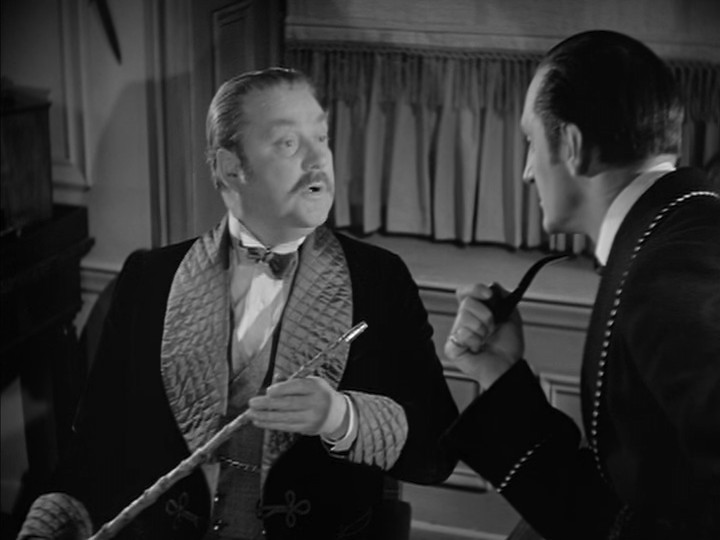

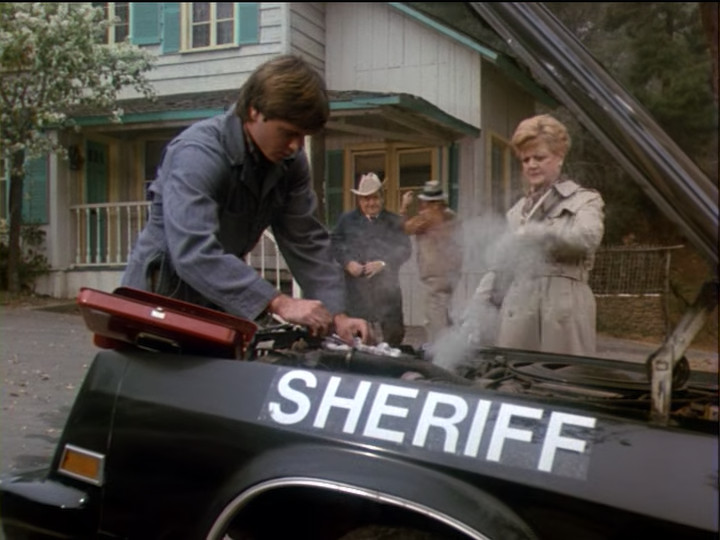
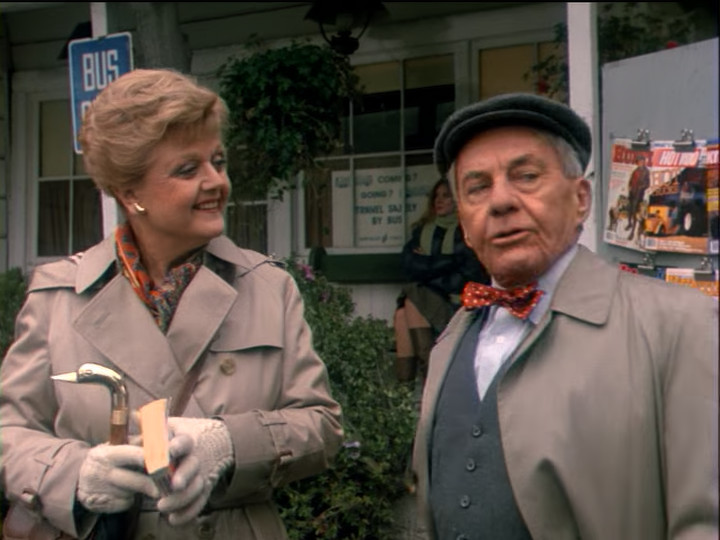


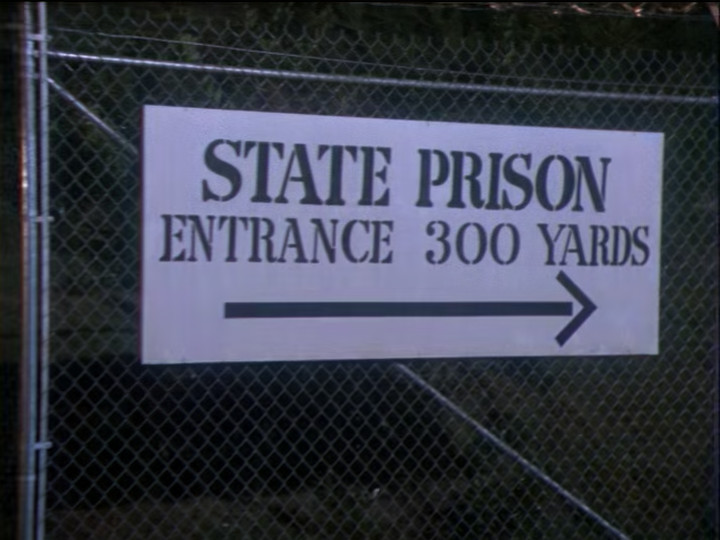


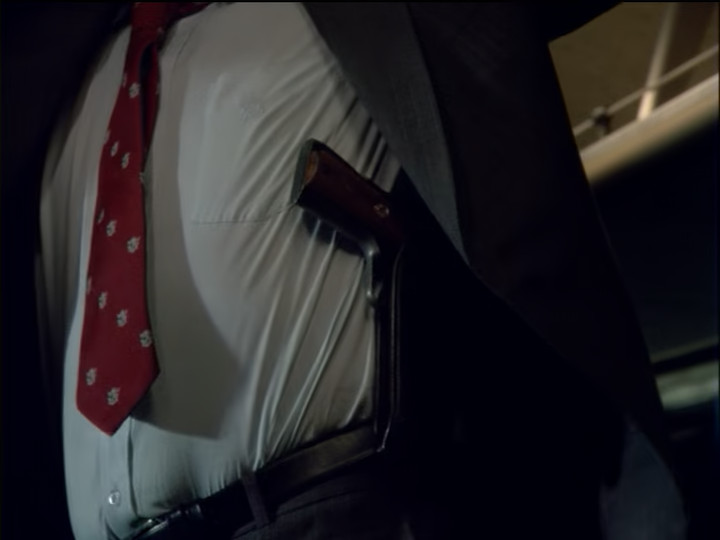

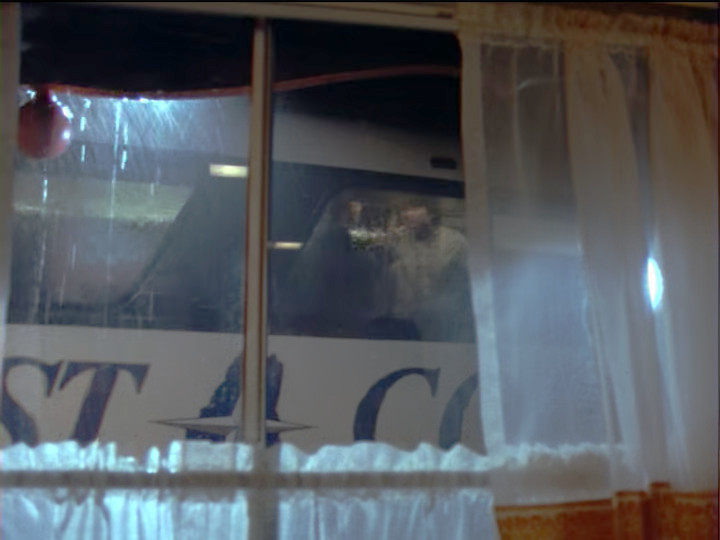


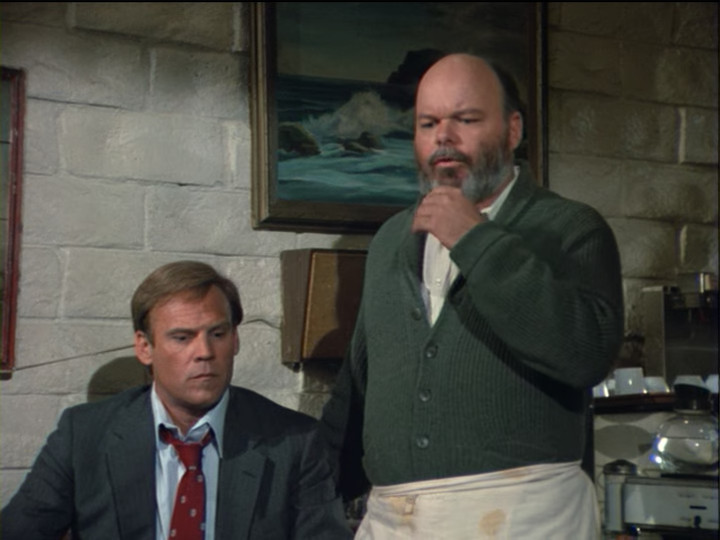
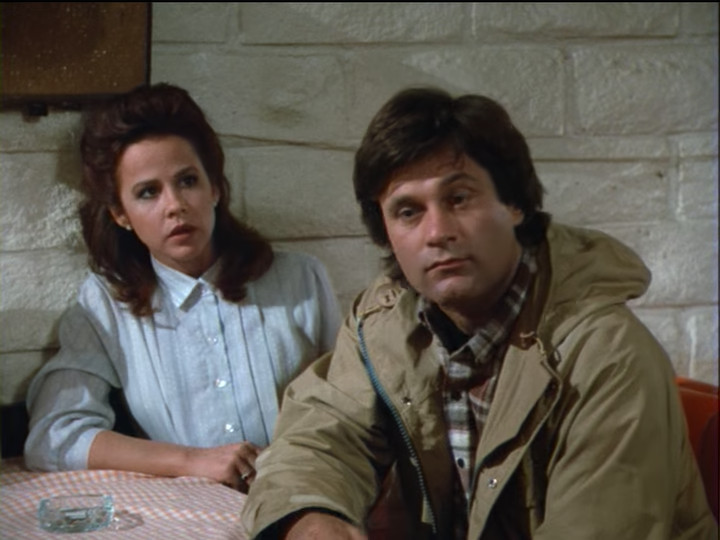

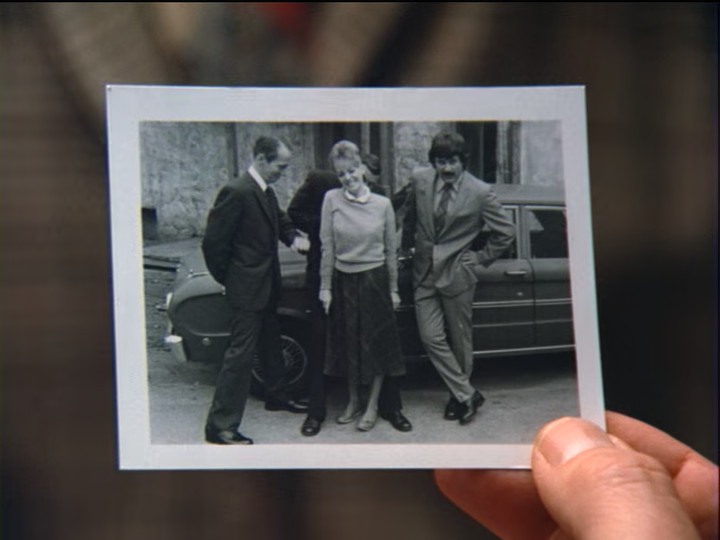
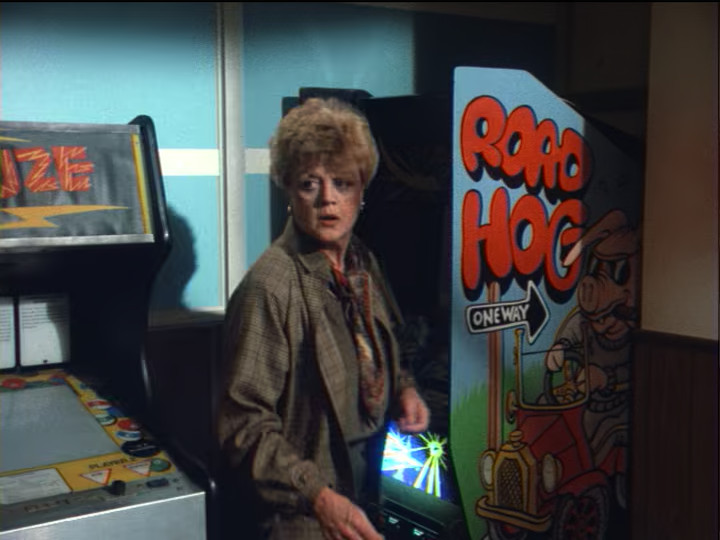
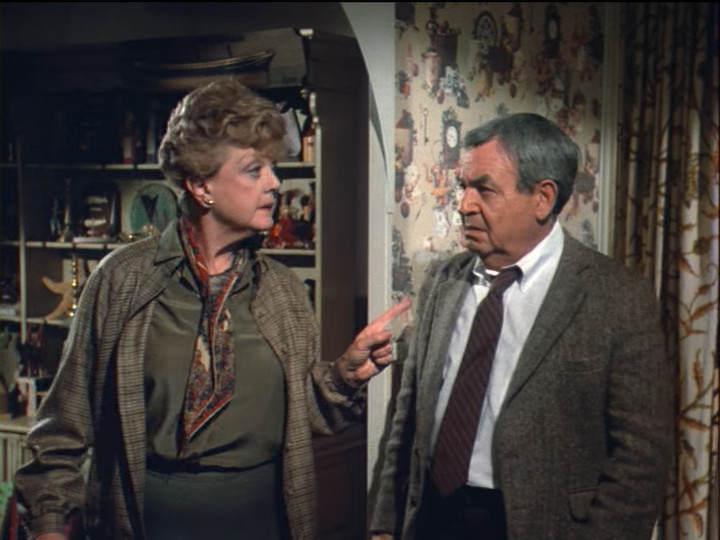
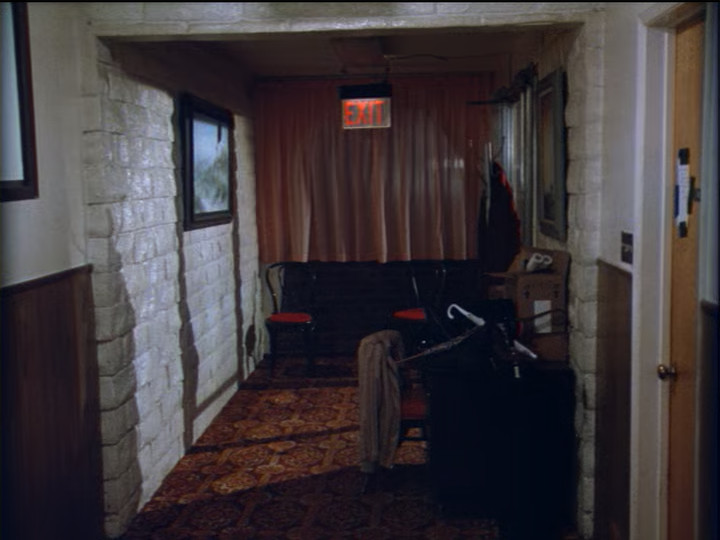
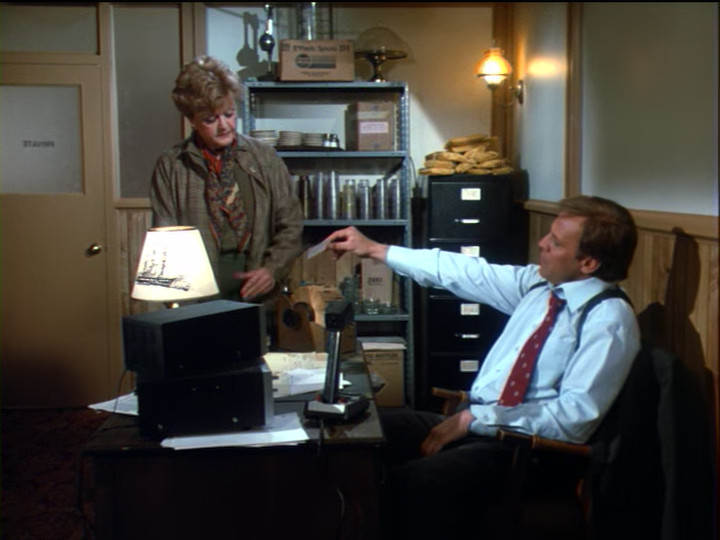

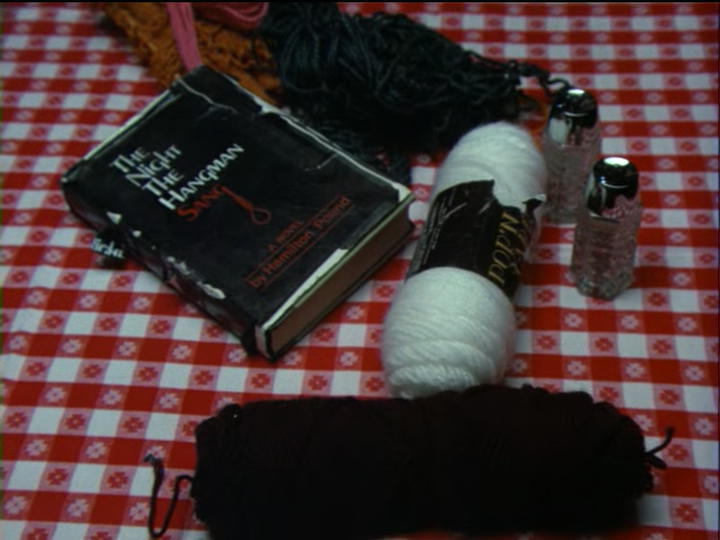

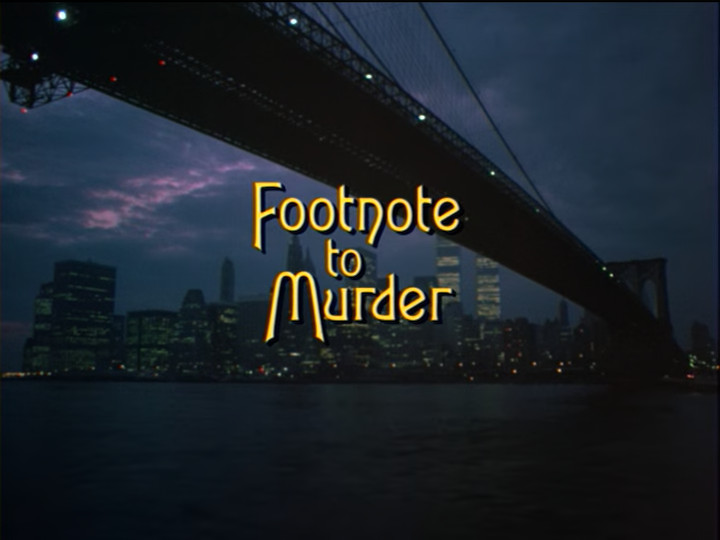

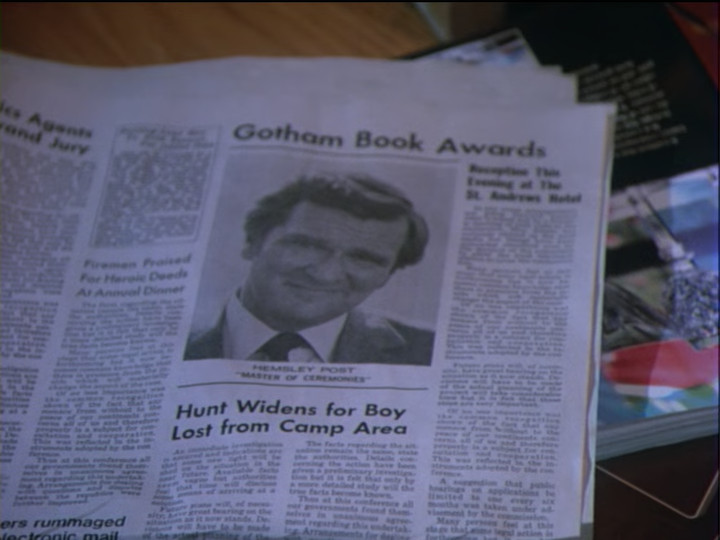
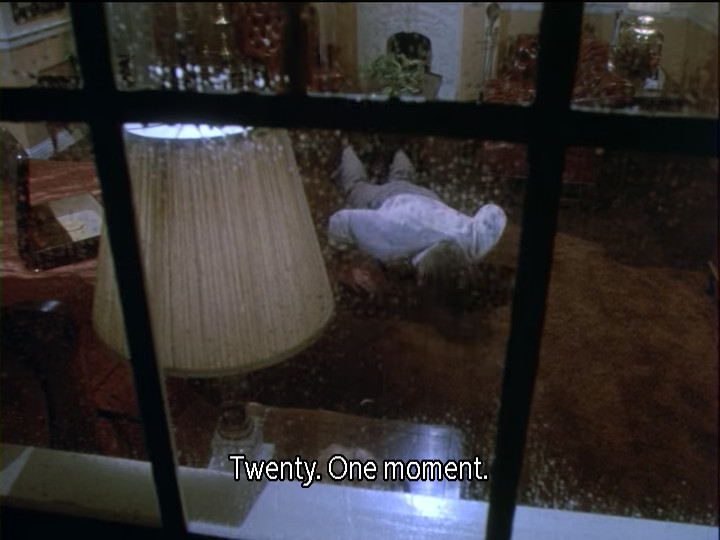
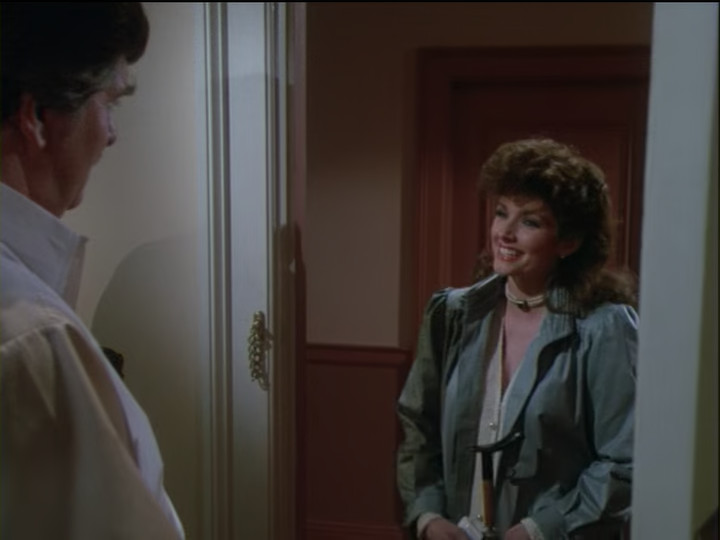


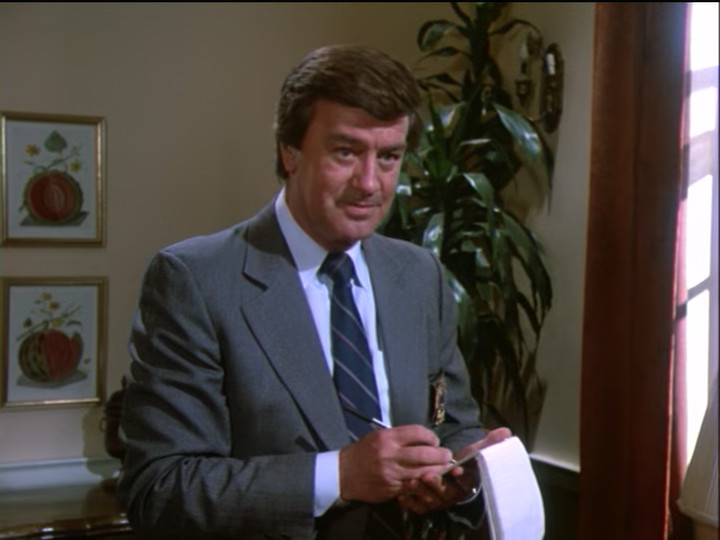
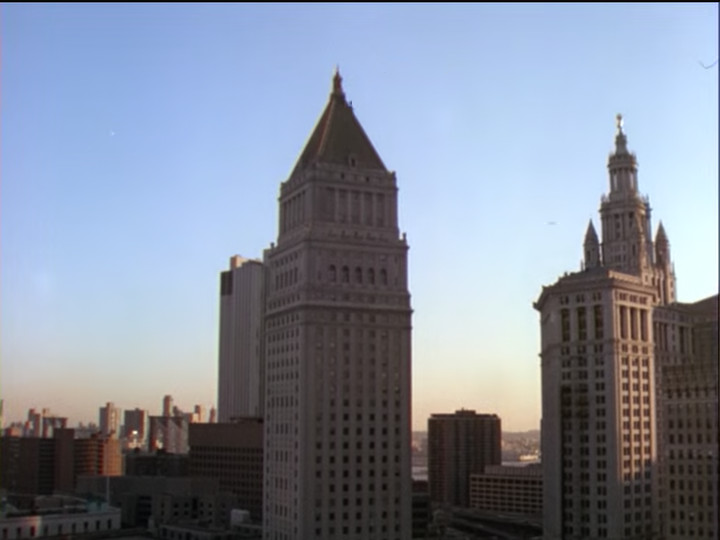


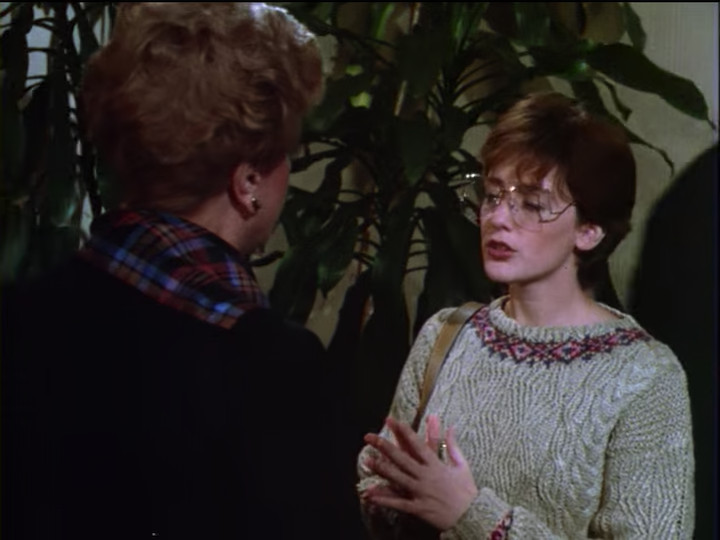


 Chris Lansdown
You must be logged in to post a comment.