My title is a little over-broad, as there is Modern art which isn’t bad. But a large enough fraction of it is to justify the title, and I’d like to talk about why that is. Because it’s not an accident.
The first reason is that Modern art arose from Modern Philosophy, which jettisoned the idea of truth. (If you only know a little bit about Modern Philosophy this might sound odd; a few hundreds more hours of reading it will clear things up.) Since beauty, like truth and goodness, is a kind of apprehension of being, the rejection of truth was also a rejection of beauty. Art without beauty quickly becomes very strange, and also bad. That is, it becomes deconstructive. There is a thing which can be called deconstruction whose purpose is to give insight into the inner workings of something good, in order to better be able to appreciate it or to make goodness oneself; this is not what happens, though sometimes in the early stages it is what people pretend is going on. A complete rejection of truth and beauty means that deconstruction can only be for the purpose of destruction; the only enjoyment the feeling of power which comes from ending something which is good. Of course, not all Modern art embodies this perfectly. God is the only one who accomplishes all things according to His will, so human artists with bad intentions sometimes fail and make good art by accident. And, of course, not all Modern artists even fully buy into the idea.
The other major reason why Modern art is bad is because it is a status symbol of the upper classes. Well, not just that it’s a status symbol, because they don’t have to bad. Ideally, status symbols are good, and can be when the highest quality is limited in availability. Ermine furs and imperial purple dyes were both high-status and beautiful in the days when they were incredibly hard to get. The problem is when beauty becomes cheap, as modern chemistry has largely rendered it. Exclusive items with quality can still go together, as in the case of fancy wrist watches or luxury cars. But cheap reproduction and efficient markets have made beautiful art (relatively) easy to come by, so the only way for art to become exclusive is to artificially limit it to only certain producers. Modern art, being ugly, helps in this, because people won’t pick the selected artists by accident, that is, merely because they happen to like the art. Because no one naturally likes the art. High status people train themselves to enjoy the art because enjoying it confers status.
You can learn to enjoy Modern art, but the same skill would allow you to enjoy any random patch of dirt on the ground. Dirt is actually interesting stuff, if you take the time and trouble to look closely at it. But dirt is common; dirt is cheap. It’s dirt cheap, in fact. In consequence, few people have the humility to learn to appreciate dirt. If you learn to appreciate dirt, you will probably be happier, but no one but you and God will know it.
On the thirteenth day of January in the year of our Lord 1985, the tenth episode of the first season of Murder, She Wrote aired. Titled Broadway Malady, it’s set in New York City. (Last week’s episode was Capitol Offense.)
The episode begins with the retired actress Rita Bristol…
…watching an old black-and-white movie that she starred in.
A young woman named Patti walks in and guesses that the movie is “Holiday in San Jose” but it’s actually “Moon Over Rio.” Moon over Rio was not a real movie, but I suspect that the clip was from a real movie that Vivian Blaine, the actress who played Rita Bristol, was in. The clip looked quite real.
“Oh look at me,” she says. “I was always a pushover for that bilge we cranked out, even while we were doing it. Were we ever that innocent?”
The young woman objects, “Mama, that’s not bilge. It’s terrific!”
Then Rita’s other child, her son Barry, comes in.
He announces that the play with both mother and daughter is going to happen on Broadway. “Si Parrish finally came through!” Rehearsals start in six weeks.
Some time later, over in Cabot Cove, Jessica gets a phone call from Grady. He’s gotten a job as the bookkeeper on the play that Rita Bristol is in. He tells Jessica that on her upcoming trip to the city (she’s coming to meet with her publisher) he’ll get her into the rehearsals and she’ll get to meet Rita Bristol. Also, she’ll get to meet his new girlfriend, Kate.
The scene then shifts from Grady, back stage, on the phone with Jessica, to Rita Bristol on the stage complaining about the scenery being in the way. She goes on a tirade about the general lack of skill of the production. This gets her into a fight with the director, who is unimpressed by Rita.
“I only know what I see, and it’s just laying there,” he says.
After this, backstage, Barry asks Rita if she wants him to fire the director, but Rita says no. Unfortunately, he’s the best there is. She does wish he’d be less hard on Patti. Rita’s not so sure about trying to make a comeback at her age, but Patti is terrific and she’ll do anything to help her career.
Later that night Jessica arrives and Grady meets her. He introduces his latest girlfriend, Kate Metcalf.
She’s Patti’s understudy.
Grady then ropes Jessica into going to a celebration dinner with Rita Bristol and the other important cast and production people. In fact, the dinner involves almost every character that will be in this episode, though we haven’t officially met them all yet. The setting is a fancy Italian restaurant, or at least I assume that it is since the waiter has a thick Italian accent.
I believe the photos on the wall are supposed to be of movie and Broadway stars. We then meet the man financing the play, Si Parrish:
Investment banking was becoming a bit of a bore, so he decided to get into theater.
Then, at the mention of Jessica being a writer, we meet the two writers of the play:
(They are worried that Jessica is being brought on to replace them.)
There’s a bit of back and forth in which Si thinks Jessica writes romance novels and Rita corrects him. I’m not sure if this is meant for humor or as a sneaky way of reminding viewers that Jessica is a mystery writer and hence why the title of the show is what it is. You’d expect people to know by now, but TV was always on the lookout for new viewers, who had no choice but to start in media res.
Barry then makes a speech in which he praises his mother and raises a toast to his sister. (The director conspicuously doesn’t raise his glass.) He also adds a small announcement, that Si is so confident in the show that they’re not going to try it out in Boston, they start Broadway previews in two weeks. The director rolls his eyes and Si, sotto voce, tells him to keep his negativity to himself.
Outside the restaurant, after dinner, Si offers Jessica a ride home, which she accepts. He also offers a ride to Barry and Patti, but Barry declines, saying that his car is only a block away.
As Barry and Patti go into an alleyway to get to the parking garage, a man jumps out.
“Your Money and your jewels, lady, fast!” he says.
Before either of them can react, he shoots Patti, who falls down.
Barry looks at Patti for a moment, then pulls his own gun and shoots the man, who crumples to a heap on the ground. As Barry cradles his sister in his arms, a crowd gathers, we fade to black, and go to commercial.
Here’s a commercial you might have seen, had you been watching the episode back in 1985:
When we come back from commercial, Barry is at the police station, on the phone with his mother , to whom he says that he’ll be there as soon as bail can be arranged.
The detective is Sgt. Moreno. Barry then conveys the news that the bullet nicked Patti’s spine and they don’t know if there will be permanent damage, or even if she’ll live. Barry is in trouble for using a concealed firearm to kill the guy who shot his sister. The Sgt. tells him that had he used the bad guy’s weapon, or even his bare hands, he’d have gotten a pat on the back, but the concealed firearm is a problem. Though the Sergeant does, personally, consider him a hero. (Barry explains he bought the gun after being mugged three times in the last 8 months.)
For context, this was during the NYC crime wave of the 1960s and 1970s which carried through the 1980s. (It began reversing in the early 1990s.) This was part of a broader trend in violent crime which gave us action figures like Dirty Harry.
A uniformed officer brings Sgt. Moreno a piece of paper, which he looks at, then tells Barry that he’s free to go, as the DA knows where to find him if he wants to file charges. Barry thanks him, but he replies, “No, thank you. You gave me one less bum to worry about.”
The scene then shifts to Jessica’ hotel room, where Grady is reading a news story about the shooting.
I find it interesting that this was just a story on the inside of the paper. I suppose that even Murder, She Wrote couldn’t pretend that in New York City of the 1980s a mugging would be front-page news.
Grady is also watching a news show about it, in which a strange man who had been preaching on the street next to the alley is being interviewed by the news.
He mentions two facts which catch Jessica’s attention. The first is that the shooting started immediately, and that a three-card monty dealer was even closer and took off like a flash when the shooting started. We hear that Patti remains in critical condition and that the drifter has been identified as “Manny Farkus.”
Jessica is bothered by what the strange man said. If it’s true, Patti was shot before either she or her brother had a chance to do anything (which we in fact did see was true). Which suggests that the motive wasn’t her money or jewelry.
Jessica then goes to the police station where she harangues Sgt. Moreno about the case. He’s unmoved, though, so Jessica says that she’ll do the investigation herself.
Incidentally, we’re shown the piles of paper on his desk to convey how busy he is:
It’s a nice touch that his nameplate is all but hidden.
Also interesting is that he quotes statistics at her to disprove her assassination theory; eleven people were shot yesterday, which is the number who are supposed to be shot each day. It really drives home the context of the crime wave.
This takes the form of Jessica visiting Rita Bristol. It seems that Jessica was invited because Rita could really use company. Jessica is willing to lend a sympathetic ear, but she’s surprised Rita wouldn’t prefer a friend. Rita explains that the funny thing about stardom is that, when your star fades, you discover how few friends you actually have. And she had fallen into alcoholism, which didn’t help. The few friends who didn’t disappear she chased off. She also lost two marriages and almost drove her children away until she became sober, seventeen years ago.
She breaks down crying about Patti and Jessica comforts her.
We then cut to Jessica finding the guy who does three card monty outside of the alleyway. She does this by finding a woman who plays three card Monty, who Jessica is sure knows the guy for reasons not explained to us. She takes out a $100 bill, rips it in half, and gives it to the woman, telling her that she’ll give the guy she’s looking for the other half, and what they decide to do with their halves is up to them.
Jessica walks off looking very self-satisfied.
It works, because the next seen is of her talking to the three card monty player at some street restaurant.
He confirms that the mugger shot immediately after demanding money and jewels but before giving her any time to comply. This strikes him as very amateurish, since it would involve wasting time to have to rifle through her pockets for the stuff to steal after having drawn attention to himself with the gunshot.
Back at police headquarters, Jessica harangues Sgt. Moreno some more, and he gives her the file on Manny Farkus.
He had no known address and his fingerprints were not on file with the FBI. There was no possible connection with Patti Bristol. Sgt. Moreno thinks that the three card monty guy was right: he was just an amateur mugger. And on that bombshell, we fade to black and go to commercial.
We come back from commercial at the hospital, where Jessica and Rita are going to visit Patti. They’re met in the hallway by a doctor in scrubs who jumps straight to giving her the news that Patti is going to make a full recovery—there will be no paralysis. Rita is overjoyed and goes to see her daughter.
We then cut to Barry, on stage, giving a speech to the cast and crew thanking them for their effort and hoping that they’ll all be able to work again some day. Right as this concludes the director comes in with the famous actress, Lonnie Valerian.
She’s willing to take over Patti’s role. Barry’s none too happy at this, but at Si’s request says that he will ask his mother if she’s willing to do it.
Back at Grady’s apartment, Jessica tells him and Kate that Patti’s first words to her mother were, “Mom, I want you to go on.” The conversation over dinner includes Grady mentioning that it seemed like the director had been planning to replace Patti for weeks. (Lonnie, in expressing her willingness to take the part, mentioned the lyrics to a song that had been cut two weeks before.)
Conversation then turns to the shooting of Patti, and Jessica just can’t get it go. Right when she admits that there’s no connection between Manny Farkus and anyone in the play, she sees him on TV.
To make sure we believe her, the camera zooms in on the TV, with a much clearer shot of him:
It’s interesting that they gave us two different shots, one where it’s harder for us to see but Jessica identifies him, and one where it’s quite clear that Jessica is right. This might be a technique for making us more impressed with Jessica, since she can spot the clue before we can, and we’re given immediate confirmation that she’s right in order to cement the impression.
Anyway, she goes and rents a tape of the movie and brings it to Sgt. Moreno. The movie was made fourteen years ago. He was credited as Morley Farmer, but of course that’s a stage name. The Screen Actor’s Guild gave Jessica the name of Morley’s agent. Sgt. Moreno refuses to follow this up—he’s too busy and as far as he’s concerned the case is closed—so Jessica vows to investigate herself.
Jessica meets Morley Farmer’s agent, Lew Feldman, who is played by the inimitable Milton Berle.
He last saw Morley two years ago. Like a lot of Lew’s clients his ability to get work was spotty, especially since the Catskills dried up. (The Catskills are a mountain range in southern New York, contiguous with the Poconos in eastern Pennsylvania; before air conditioning was common, people from NYC would often go to resorts in the Catskills and Poconos for the summer to escape the heat and accompanying spread of disease. This resulted in a ton of seasonal work for entertainers.)
Morley was mostly a failure as an actor. The last thing Lew saw of him was in an off-off broadway one-man act that Morley wrote for himself, which was the worst thing that Lew had ever seen. He’s confident that Morley never met Patti Bristol; the Bristols are a class act and Morley was a schlepper who failed at everything he tried. Jessica asks for a list of Morley’s credits and Lew says that will take a few hours, but he’ll get it for her.
Lew then gives Jessica the last address that he had for Morley, and Jessica goes to investigate.
While she does, the scene shifts to the stage where rehearsals are taking place. Rita is unhappy at how Patti’s part has grown considerably now that it’s not Patti’s part, and she lashes into the director for the way he clearly wanted to get rid of Patti. She points out that he and Lonnie Valerian got lucky with Patti getting shot. She asks if his plan had been to make Patti so miserable she dropped out? After storming off, Barry says that he’s pulling his mother out of the production and a big argument ensues with the director. After the director points out that Barry was riding his mother’s coat-tails just as much as his sister—he didn’t get on-broadway on his own abilities as a producer—Barry punches him. As he walks off, Grady tries to talk to him about Si Parrish, and that there seems to be a problem.
The scene shifts to Jessica and Grady in a horse-drawn cab in central park.
This is kind of a strange place to have a conversation, but I suppose that there is, at least, little danger of being overheard. I can’t help but wonder if this is a deliberate reference to Sherlock Holmes, since the hansom cab is Holmes’ most iconic form of transportation.
Anyway, this morning when Grady when to get the books from Si Parrish for the weekly audit, he grabbed some papers he probably wasn’t supposed to. It looks like Si Parish has double-sold the show, meaning that he will be out an enormous amount of money if the show is a success but will pocket the extra money if the show is a flop. Jessica can’t believe it, since Si Parrish seems like such a gentleman, but in any event this gives him a whopping good motive to have Patti shot.
That night, Grady drives Jessica to the address that Lew gave her for Morley Farmer.
There are two things interesting in this shot. The first is the location, which actually looks quite nice except for the poor illumination and the poster boards with writing on them. I think that this is meant to be a very bad neighborhood.
The other interesting thing is Grady’s car. Grady is normally shown as a a struggling young man, if a skilled accountant, and it’s very unclear how he would own a red convertible sports car. To say nothing why he would own it—that hardly seems like his personality, except perhaps that he does like to try to impress women.
And for once, Jessica doesn’t go into a dangerous place alone. (Grady goes with her.)
The woman—no idea who she is—is astounded by the idea that Morley had mugged someone. According to her, he had just run into an “angel.” That is, into some idiot who said he was about to come into a lot of money and that he’d produce Morley’s movie. She has no idea who it was, but the money guy was going to let Morley direct and play the lead. Jessica takes alarm at this and they leave. She sends Grady to wait at Lew Feldman’s table at the restaurant until Lew gives him all of Morley’s credits, while she takes a cab to go check on Rita Bristol, who she believes is in a great deal of danger.
At Rita’s place the doorman lets Jessica in after smelling gas they find Rita on the floor of the kitchen.
I really want to know who designed her kitchen; a free standing oven like that in front of cabinets whose doors are too close to be able to open all the way seems extremely impractical. As the doorman opens the windows, Jessica turns off the gas then bends down and takes Rita’s pulse, after which she notices an empty pill bottle next to her. After saying oh dear, we get a panning shot.
This is a very strange kitchen; as far as I can tell it has no sink. Anyway, we then fade to black and go to commercial.
When we come back from commercial, we see an ambulance driving on the street, its sirens flashing, then we cut to the hospital where most of the major characters in the episode are waiting in a hallway.
I wouldn’t normally include this screenshot, but the framing is interesting. It’s a sort of tableau of the characters, only two of whom does it make sense to be here. And i f it makes no sense for the director to be here, it makes even less sense for Lonnie Valerian to be here. This may be related to catching people up after several minutes of commercials, or possibly to making people who just switched channels feel a little more like they know the characters. Or perhaps it’s just to visually convey how important whatever is going on is, for both aforementioned groups of people.
Anyway, Grady walks in and sits down next to Jessica. Rita’s not in good condition, but apparently she’s at least not dead. Si starts asking the director if he knows anyone who can replace Rita if worse comes to worst. Barry takes offense at this and Si defensively says that he’s concerned for the actors and chorus people. Jessica then whispers to Grady that he was right; Si needs the show to start or he’ll have to give back the investor’s money. I’m not sure if that’s true, but it at least does tend to exonerate Si, since trying to kill your two leading ladies isn’t conducive to a play opening. It would have been much better for him to kill them after opening night.
Jessica adds that Si Parrish doesn’t have the money; Jessica’s “tedious attorneys” play squash with Si Parrish’s “tedious attorneys” and the word on the squash court is that Si made a number of disastrous investments lately.
The doctor then comes out and says that Rita’s vital signs have stabilized for the moment, but gas, alcohol and barbiturates are a bad combination and it could go either way. He suggests that they go wait downstairs, grab a cup of coffee, and he’ll let them know the moment that there’s any change.
Jessica then asks Grady for the list of credits for Morley Farmer from Lew, which Grady hands her:
We don’t get to see the whole sheet, but Morley hardly seems like a complete failure. In the part I can read, he was in two episodes of one show, nine episodes of another, and was a guest star in a bunch of others. That’s better than many of the actors with bit parts in Murder, She Wrote episodes—the actors, I mean, not characters.
I also find it curious that this is an official-looking document and not a bunch of names scribbled on a napkin. Perhaps an agent keeps this kind of sheet for his clients to give to people who might want to cast him. Anyway, Jessica seems to recognize something from it, and we cut to the waiting room where all of the characters in the hallway, except Jessica, are. Various people say things either of blaming themselves or comfort, then Jessica comes in. Almost immediately, Barry is called to intensive care.
The scene then shifts to Rita’s apartment, where Jessica is pouring Barry coffee and he is saying that he can’t believe it. They make some small talk until Jessica starts saying (in an accusatory voice) that Rita didn’t kill herself. She always kept a coffee pot going, but when Jessica found her the coffee pot was empty and cleaned. She believes it had been laced with a strong sedative to knock Rita out. Then “alcohol was forced into her system” and the gas jets were opened. (Jessica doesn’t elaborate on how you force alcohol into the system of an unconscious person, so I suppose we are supposed to assume it’s not just possible, but practical.) Jessica then converts the accusatory tone into an outright accusation.
To that, she adds an accusation of trying to kill Patti. It was about the money. He not only wanted his mother’s money, but he wanted all of it.
When Barry denies this, Jessica starts imitating Rita Bristol, asking Barry why he’s lying to her. She reminds him of when he was a production assistant 12 years ago on Guns Over Abilene, in which Morley Farmer acted. He also worked with Farmer two years ago, “on location in Colorado.”
She keeps pestering him with facts and assertions, doing her best nagging-mother/Rita-Bristol impression, and Barry starts to forget who he’s talking to, shouting, “You can’t do this! You can’t spoil everything for me! Not anymore.” With some more nagging, he smashes the things on the mantle.
He then stares at the picture of his mother in her heyday up above the mantle.
He slowly says, “I can’t remember when I didn’t want to see her dead.”
Jessica asks if it was lucky that the director brought in Lonnie Valerian, and Barry agrees that it was.
Barry then tries to explain himself. “Do you have any idea what it was like, to be Rita Bristol’s little boy? To have a self-involved, penny-pinching lush for a mother? She never gave a damn about me. She hardly even admitted that I was alive.”
This goes on for a bit; Jessica doesn’t believe him and he explains further what a terrible mother Rita was. Finally he grabs Jessica and makes as if to throw her off of the balcony.
He’s interrupted by Rita calling his name from a door to the bedroom that just opened.
Pretending that she was dead was Jessica’s idea; the doctor cooperated and Rita was so, so sure that Jessica was wrong. He slumps and cries on her shoulder while she apologizes that he never knew how much she loved him. We then cut to the play on the stage with mother and daughter singing.
Grady is backstage and on the phone with Jessica. He holds it out so she can hear the music and singing. Jessica, back in Cabot Cove, says that it’s marvelous.
The set decoration here is interesting. Jessica has her phone immediately next to her typewriter, I believe in her kitchen, and on the desk she has her own books, though with the spines faced away from her. I presume that was for the audience’s sake, but in broadcast quality I don’t know that many people would have been able to read the spines; we can barely read them in DVD-quality.
According to Grady the show is fabulous and is going to be a huge success. Jessica observes that this is going to be big trouble for Si Parish, and Grady agrees, saying that the DA has been talking to him since 10am.
Jessica asks how Kate is doing and Grady says that there’s not much to tell. She ran off with some TV weatherman from Pittsburgh. Jessica expresses her sympathy and Grady tells her to not worry about it. She was OK; they didn’t have much in common. “But wait till you meet Francesca. Aunt Jess, she’s beyond belief.”
When Grady asks how soon Jessica can get down to New York City, she laughs and we go to credits.
This is an interesting episode. It leans very hard into the nostalgia that Murder, She Wrote was often known for. The washed up actress making a successful comeback is also very much in the dominant theme of Murder, She Wrote: that old things are still valuable.
The plot is quite solid in this one, possibly at the expense of the murderer being relatively obvious. Once it was established that Si Parrish desperately wanted the play to open (then fail) he was eliminated as a suspect. Aside from Barry, the only other person with a motive was the director. (Though if you really want to stretch things there was also Lonnie Valerian. Since she’s established as a highly successful actress, this seems too slim a motive, even for Murder, She Wrote.) And they could have gone in the direction of the director being the murderer, at least until the attempt on Rita’s life. That said, he wasn’t nearly so good a suspect. In particular, he had no plausible control over Barry and Patti going down that alleyway. (This could be worked around if it was obvious that they would, but that would really need to have been established as a pattern and that would require the mugging to have happened after a rehearsal.) Barry, by contrast, had complete control over where they would go after the dinner.
I don’t think that it was painfully obvious that it was Barry, though, and it’s a bonus that, at the end of the episode, it feels like there was only one possible suspect. I think that the actor did a good job of looking distraught over the things happening to his mother and sister, which was a good bit of misdirection. I think it also helped that the connection between Barry and Morley Farmer was obscured until the end. This does bring up some issues with fair play, but they’re not huge.
There were a few loose ends in this episode, but they were pretty minor. The main loose end, I think, is where the name “Manny Farkus” came from. Jessica said that the name “Morley Farmer” was a stage name, but it was used consistently by Morley’s agent as well as the people who knew him in the building where he lived. I almost wonder if this wasn’t more about having some name by which people could refer to him in the episode rather than being any kind of plot point. The names “Morley Farmer” and “Manny Farkus” sound similar enough that the audience might easily confuse them, and “Manny Farkus” is dropped as soon as the name “Morley Farmer” is introduced. As I said, this is a pretty minor point, though it would also have been easy enough to have fixed it.
The other loose end would have been how Barry convinced Morley Farmer to murder his sister. We’re given enough to figure it out—Barry told Morley that he would come into the money if he got rid of his sister—but it does feel a little at odds with what little of Morley’s character we’re given and a few lines about how he persuaded Morley would have been nice.
Despite this, I think my judgement is that this is a merely average episode of Murder, She Wrote. It works. It is entertaining. But it doesn’t grab one.
I think this is because there are no stand-out characters. This may be a personal quirk, of course. I don’t generally find show-business people to be sympathetic characters. Further, I generally don’t find people whose children turned out terrible to be sympathetic characters. Don’t get me wrong; children are their own people and make their own choices for which they are responsible. One bad child is easily chalked up to a personal choice. All of the children turning out bad seems… unlikely to be in spite of good parenting. Especially when the parent is known to have been a bad parent.
I do like the character of Grady Fletcher, but he’s not much in this episode and isn’t enough to redeem it. (And Grady is generally given some grating personality characteristics, too, which are a big too on-display for my taste.)
The one non-showbiz character (other than Grady) which we’re given is Sergeant Moreno, but he’s mostly just in the episode as comic relief and to provide a few bits of exposition. Still, it’s a decent enough mystery.
There’s a cartoon going around which shows a man pointing at his computer and calling out, “Honey, come look! I’ve found some information all the world’s top scientists and doctors missed!” It’s been roundly and deservedly criticized, but I’d like to focus on a few points I haven’t been touched on.
The first point is the level of generality that is used (“all the world’s”) when “top” scientists and doctors are all specialists. If the guy may have discovered some information about whether dietary fructose causes insulin resistance, what does it matter whether the world’s greatest geologists don’t know this? Who cares whether the best heart surgeons know it? Would anyone be surprised if the world’s greatest ophthalmologist knows nothing about it? The cartoon makes it sound like tens of thousands of brilliant people have all been studying the exact question the guy has been researching, but the reality of specialization is that the number of people who are actively studying whatever exactly the guy may have found may well number less than a dozen. There’s no guarantee that this small handful of people are among the best and the brightest, except in the narrow sense that someone who took bronze in a competition with only three people in his division is the best in the world who showed up at that meet.
This, of course, is even assuming that anyone is actively studying the field. The inclusion of “doctors” suggests that what the man has found relates to health, and the number of things being studied in health is absolutely dwarfed by the things that there are to study. It’s entirely possible that there are no experts in the specific subject that the guy believes he’s found information in because no one has funded research into it in the last twenty years. And even if they had, it’s entirely possible to be an expert in only one aspect of a subject; a scientist who conducted the world’s greatest trial on the effect of aspirin in reducing heart attack incidence may be completely ignorant as to whether it’s effective for treating lower back pain.
Then we come to the thorny problem that many people are not courageous enough to consider: who has declared these people to be the world’s top scientists and doctors? Was it themselves? In theory, there is no one more qualified to identify the best in a field than the best in the field. But, of course, a man saying that he’s the greatest is worthless. So is it the world’s average doctors and scientists? But how do they know that these other people are better than they are? How did they even form this opinion? Where would a heart surgeon get the information necessary to know how good another heart surgeon is? Do they, in their copious free time, watch each other perform surgery? And what of researchers? Are we to suppose that scientists drop in and conduct audits of each other’s labs to see how well they’re actually conducting their research? Or does this all come from people who are not experts at all, observing? That might be valid for doctors like heart surgeons for whom we can collect easily evaluated data such as “how often was the surgery successful” and “how often did the patient die on the table”. Though even there, any system which relies on measurement can be gamed. A surgeon can look fabulous by only accepting the healthiest patients compared to one who takes on the riskiest patients. And most fields in science and medicine do not admit of even this kind of measurement. No one expects everyone with chronic back pain to become pain free, and the only reliable way to judge a doctor’s nutritional advice is to wait until all his patients die and see how old they were, and what their qualify of life was over the years. Since they may well outlive the doctor, this is useless.
So suppose you find a doctor who says that fructose induces insulin resistance and you need to limit your sugar intake, while a government-sponsored doctor says that you should eat as much fructose as you want but limit your fat intake. How do you know that the government-sponsored doctor is the top doctor and not merely the doctor with the best political connections? How do you know that the doctor with the plain office is not, in fact, the top doctor, in terms of ability?
People really want infallible oracles that they can query for whatever knowledge they want, but it’s just not available.
And, truth to tell, even if they found it, most people would reject it because they wouldn’t like the answers that it gives.
A debate which comes up from time to time is about why are most artists “progressives” and is this because conservatives don’t have artistic talent. There is, perhaps, something to be said for the idea that the kind of extreme creativity involved in artistic work tends to be unbalancing to a person’s sense of how the real world works, so a wildly creative person is more apt to believe absurd things (like socialism) will work in the real world, but I doubt that this explains the majority of what causes the tremendous skew towards progressivism in the arts. For that, we need to look at selective pressures, envy, and the defense against envy.
First, let’s consider selective pressures. Most of what is called conservatism is about producing the best environments possible for the raising of children. This puts all sorts of restraints on parents and communities for the sake of children. Included in these is needing to earn one’s living in a reliable way, because children (and sometimes a spouse) are relying on one to provide their living for them. The arts, in general, are an extremely unreliable way to earn a living. There’s an excellent reason that the words “starving” and “artist” go so well together. Thus there is a massive selective pressure against people who value family and the raising of children. And the talents that underlie art can, generally, be put to more practical uses, and practical uses pay better. This is especially true if the person with artistic talent has other talents, too.
From this we can see that it’s no accident that a large fraction of artists come from broken homes. Not only does coming from a broken home make a person less likely to understand the value of raising children well (though it can have the opposite effect), it also makes them more likely to seek attention. Putting the talents which underlie art to practical use tends to get you a paycheck but not nearly so often praise. (Don’t get me wrong, people can make art out of love. But it takes a lot of love. It takes a lot less love if you also have a deep-seated psychological need for approval.)
There is a secondary selective pressure on art to appeal to buyers or (in the case of advertising-subsidized art) viewers. This can be done through quality, but it is easier to do it through adding pornography. There is an absurdly large market for pornography that comes with social sanction or plausible deniability. Just check out the short film It’s Not Porn, It’s HBO. The success that this kind of pseudo-pornography brings allows for bigger budgets which makes for higher quality in the output (largely by being able to pay more people to work on it).
The other major thing to consider is envy. If you study history for even a few minutes, one of the most dominant themes you will find is that if somebody put in the work to make something worth having, someone else wants to take it from him rather than make it himself. This gets modified slightly when it comes to competition, where envy wants to win by dragging down others. “He did not deserve first place, I did.” You see this kind of envy constantly in third-rate artists. And progressivism is practical just codified envy; the progressive ideal is that all men are equal by dragging down any who are ahead, justified by fairy tales about how they only got ahead by cheating. This explains why third rates artists are so often progressives. But what of first-rate artists?
Here we come to the universal need of the successful to defend against envy. On an international scale, the primary defense against envy is a powerful army. On an international scale, if you want to steal what others have built, you must take it with an army, and their army being large enough to defeat your army protects them. This does not work within a nation, though, where the state retains to itself most of the use of violence. There are still defenses against envy using direct violence, such as front doors with locks and the police. But within a nation the envious can work within the legal system to enact laws to use this machinery of the state to take what belongs to others and give it to themselves. This is the reason why the rich are usually politically connected; as long as the laws are crafted in a way to allow loopholes, it doesn’t matter what the law is meant to achieve. And this is why, wherever you have a progressive party with enough power, the rich are always members of the progressive party. But it’s not the only reason. It also defends them against excessive envy being directed at them, personally. And this is why we see successful artists being progressives—it (partially) defends them against the envy of third rate artists.
(It should be noted that the individual political views of the artists making it don’t matter very much on collaborative projects, because most artists, and especially most progressive artists, will do whatever they are paid to do. The people who made movies were not wonderfully better people during the days of the Hayes Code, they just did what the men with the money told them to do, and that happened to be to make morally decent movies. So they did. It’s very easy to find the documentation that they didn’t want to.)
A look at the entire season, now that it’s over. A look at the basic facts about the world it gets wrong, plot holes, and considering it as “Frozen meets Kill Bill”.
I must begin by confessing that I’ve never seen The Taming of the Shrew and only have read most of it. What I have seen performed is the 1953 movie Kiss Me Kate. It’s very funny and I highly recommend it, by the way. Anyway, it motivated me to look into the actual play by Shakespeare, and it’s a rather extraordinary one. It’s very hard to know what to make of it.
The first thing to note about the play is that it’s a comedy. But it’s not merely a comedy, it’s an utterly absurd comedy. So it’s not necessarily the case that it is possible to make anything of it; part of the comedy may be that it is nonsensical.
The play begins with a very strange framing story, where a tinker by the name of Christopher Sly is drunk and a Lord notices him and has his servants play a practical joke on Sly that he is, in fact, a lord who for the last seven years has been affected by a madness, thinking he is a tinker. Then a troupe of players happens by the lord has the troupe of players put on the main play for him. We never heard of Christopher Sly or the lord again. The framing story is simply dropped after the introduction.
There is a main plot and a sub-plot in the play-within-a-play (which I will henceforth just refer to as the play, since that’s what it really is). The main plot is about Petruchio and Katherine (the titular Shrew). The sub-plot is about Katherine’s younger sister Bianca and her suitors. I say main plot and sub-plot, but the latter takes up about as much time as the former. It also involves various suitors pretending to be tutors and a servant pretending to be a suitor and, frankly, it’s so absurd I have a hard time keeping track of it.
All of this is the context for the taming of the shrew to which the title refers. It seems unlikely that we’re meant to take it seriously. For all that, though, there does seem to be a mildly realistic foundation to the absurdity.
When Katherine is called a shrew, this has nothing to do with different time periods having different ideas of decorum or it being considered, in Shakespeare’s time, immodest for a woman to speak her mind. Kate is an outright bully. She ties up and beats her younger sister out of jealousy (she claims that as her motivation) and physically attacks her music teacher for daring to try to correct her fingering on the lute. She is sharp-tongued in the sense of gratuitously insulting people. Her behavior would not be acceptable in any culture, in any time period. (Imagine a stereotypical Marines drill instructor, except with everyone, not just recruits.)
Petruchio is not a virtuous character, but he is, at least, polite to his social equals. And he is cunning. Moreover, he takes a liking to Katherine precisely because she has a powerful personality. The “taming” of Katherine is, perhaps, an apt metaphor, because her behavior is outright antisocial (in modern times it would be criminal). What it consists of is where there seems to be a minor element of truth underlying the absurd humor: Kate becomes content when she finally finds a man who she can’t intimidate. It is true that women do not, as a rule, like a husband who they can easily overpower. (For those who are young: that’s not because marriage is a Nietzschean power struggle, it’s because life is difficult and a man who can be easily overpowered can be easily hurt by accident when a woman is concentrating on other things, such as caring for young children, and feminine instincts don’t protect against this. The reverse is not nearly so important, since masculine instincts do include being gentle to the mother of his children, though even there, only so much; males do not usually want a wife so delicate relative to their force of personality that they can easily hurt her by accident, either.)
It is often said that when it comes to husbands and wives, opposites attract. This is true of many qualities, but certainly not of all qualities. You tend to find “assortive mating” (i.e. similarities attracting) in things like education, social status, and intelligence. A truth underlying the absurd humor of The Taming of the Shrew is that you also find assortive mating with force of personality. People with big, forceful personalities tend to get along better with a husband or wife who also has a big, forceful personality. When it comes to what two human beings get along well, there are no absolutes. But this is a trend you readily see.
The Taming of the Shrew seems to take this then turn it up to eleven.
But it should be remembered that it is an absurd play, and should not be taken too seriously.
On the sixth day of January in the year of our Lord 1985, the ninth episode of the first season of Murder, She Wrote aired. Called Capitol Offense, it takes place in the swamps of Washington, D.C. (Last week’s episode was Death Casts a Spell.)
It opens with a congressman talking with some lobbyists in a richly furnished room. We’ll find out later that the taller one is Roy Dixon and the shorter one (mostly obscured in the picture below) is Harry Parmel. The congressman (getting a drink) is Dan Keppner.
For some reason the woman serving drinks has a camera in her lighter, which she uses to take pictures of the congressman doing nothing incriminating. He’s drunk, but that won’t show up in photographs, especially photographs from tiny cameras using 1980s technology.
A few moments later Congressman Joyner shows up and tries to take Dan “home.” The lobbyists try to get him to stay and Joyner unloads into them, calling them rattlesnakes and saying that the next day he will make a full complaint to the house ethics committee. For what, I cannot imagine and he does not say because he immediately has a heart-attack and dies. (As the scene closes, someone says to call an ambulance and someone else replies, “No. No ambulance.” The waitress then takes a picture of them over the body with her cigarette lighter.)
The scene then shifts to Cabot Cove, where Jessica answers her door to an aid from the governor. Congressman Joyner was found by his housekeeper dead in his bed this morning. Why on earth the other congressman and the lobbyists moved the body will, I presume, be something Jessica has to figure out, but it seems quite absurd on its face.
Anyway, the long and short of the rest of the conversation is that Jessica is named as Joyner’s replacement on an interim basis, until an upcoming primary takes place, so Jessica is off to Washington, D.C.
Before Jessica shows up, we see her soon-to-be-secretary, Diana Simms, answering the phone:
For once, I can actually believe the set decoration.
We then see Jessica arriving in town. She’s been picked up from the airport by Joe Blinn, the Media Liaison Officer.
Joe’s job is to get her name in the papers, or to keep it out, whichever she prefers.
On the way in to her office in the capitol building, she meets congressman Keppner. He asks to stop by later to discuss the Maine cannery bill and others.
Inside her office she meets Diana. Diana tells her that her resignation is already on Jessica’s desk but she’s prepared to work closely with Jessica’s incoming staff. Jessica retains Diana, however, for pretty obvious reasons. This is portrayed as Jessica being pure and honest, but it’s a little absurd to expect a mystery writer from Maine who is only serving for a few weeks to hire her own staff.
Right after Jessica crumples up Diana’s resignation letter and throws it in the trash next to her desk, Harry Parmel comes in and introduces himself.
He tries to invite Jessica to lunch, but Diana signals to not accept. After he leaves, she tells Jessica, “Most lobbyists are good people. They know the rules. Harry not only breaks the rules, he’s never heard of them.”
Later that night, Dan Keppner calls Jessica from a payphone in a bar. He’s sorry if he woke her, but there’s something he really needs to talk to her about. Jessica asks if it can be in the morning and he says sure, and makes an appointment to have breakfast.
He goes outside the bar and runs into Marta Craig. She was the bartender with the camera-lighter.
She tells him that she’s scared about the other night and moving the body. She then hands him a photograph of Keppner and the lobbyists crouched over Joyner’s body.
We then fade to some guy.
He kind of looks like he’s following Jessica, except that he loses her and she turns up behind him. When she asks who he is, he flashes his badge and introduced himself as Detective Lieutenant Avery Mendelsohn. He tells Jessica that he’s following her in the hopes of finding out who killed Congressman Joyner. And on that bombshell, we fade to black go to commercial.
Here’s a Northwestern Mutual life insurance commercial you might have seen, had you been watching on that fateful night in January of 1985:
When we come back the Detective Lieutenant is massaging his foot while talking to Jessica in the lobby. He says that maybe Joyner wasn’t murdered, but somebody moved the body. When people move a body, he asks himself why. After a bit of a comedic routine about taking pain medicine for his bad back, his stomach gurgles, and he says that perhaps he’s making something out of nothing, but when his stomach starts to growl, it’s a sure sign there’s a fox loose in the china shop. He then pauses in perplexity as his own metaphor and takes his leave.
It’s unlike Murder, She Wrote to run an investigation of a crime we saw in the beginning of the episode, Columbo-style. I guess we’re still in early-first-season experimentation.
Later that morning congressman Keppner wakes up in an alley with a bum going through his pockets:
He chases the bum away then runs after the bum and a passing police car notices him and picks him up. They have a photo of him for some reason.
At the police station Detective Lieutenant Mendelsohn is interviewing the congressman. Apparently, Marta Craig is dead. She was beaten to death in her apartment some time the night before. His jacket was found in her apartment and his hands have blood on them, so he’s got some questions to answer.
Back at Capitol Hill, Jessica is talking with Diana about the cannery bill, which would permit the building of a fish cannery on McHenry’s Point, which is only a few miles from Cabot Cove. It’s a classic case of business interests vs. the environmentalists. (Given that this is 1985, the business interests are supposed to be the bad guys.) Congressman Joyner was going to vote against the measure. Jessica says that she may also vote against it, after she’s shifted through the testimony herself and had a chance to make up her own mind. No mention is made of the opinion of the people from the congressional district she is representing.
Jessica then asks Diana where Joyner was the night before his body was found and there was nothing on his schedule but Diana remembers that Harry Parmel invited him to a party that evening but Joyner turned him down.
There’s then a bit of congress-related stuff where Jessica attends a committee meeting where testimony is heard from one of the lobbyists. This involves some digs at how things are done in Washington, including people reading out their prepared testimony. This was very much in the style of a kind of quasi-populism that was popular in the 80s and early 90s. The post-war consensus was breaking down and people who grew up with it didn’t know what to make of what government looks like when not everyone agrees, and one popular explanation was that there was just some imperfection in the system, and if common folks with common sense were put in charge, everything would be fine.
It was certainly a seductive idea at the time, but it’s absurd if you think about it for more than a few seconds. If common folks with common sense would do such a great job, and the populace was not to blame for the failures of democracy, then why does the populace not elect these common folks with common sense?
Anyway, back in Jessica’s office, Joe Blinn is remonstrating with Jessica for not having lunch with Kaye Sheppard, who is “the empress of Washington gossip, syndicated in 98 papers.” After this bit, the Lieutenant is waiting in Jessica’s office. He asks about her breakfast date with Keppner. Jessica says that she overslept and he never showed up. It’s not like Jessica to oversleep; she’s normally a very early riser. Frankly, I’m a bit surprised that we didn’t get any shots of Jessica jogging around D.C. in her sweat suit. Anyway, he tells her that they’re holding Keppner for the murder of Marta Craig. His feet hurt, which is a sign that something isn’t exactly kosher, so he asks if she can spare him a minute.
In the next scene Jessica is talking with Keppner in the Lieutenant’s office, explaining that it was dumb to move Joyner’s body but he was too drunk to think straight. No explanation is offered for why it seemed like a good idea to him drunk, because I don’t think that there can be one. Anyway, he explains that Marta was at the party where Joyner died and last night met him at the bar he called Jessica from (he doesn’t remember which) and showed him a photograph of him over Joyner’s body. He went with her to her apartment and had a drink—ginger ale. That’s the last thing he remembers.
He says that the key to her apartment was planted on his jacket and the Lieutenant says that doesn’t explain the blood and makeup found on his shirt. He says that he doesn’t understand it but he’s not a killer. He turns to Jessica and begs her to believe him. And on that bombshell, we fade to black and go to commercial.
When we come back from commercial break, Jessica views the body. After being suitably disgusted and the Lt. saying that he told her it wasn’t pretty, Jessica says that Keppner certainly didn’t kill Marta. While there was blood and makeup on his shirt, there wasn’t that much, and there was only blood on his hands—no makeup. Had he beaten her as severely as she was beaten, he’d have had both blood and makeup on his hands.
Jessica has the Lt. take off his coat then demonstrates how the killer—who had blood and makeup on his hands—would have moved the unconscious body of congressman Keppner.
Thus explaining the blood and makeup found on Keppner’s shirt. The Lt. is impressed and says, “maybe you should have been a cop.” She replies, “I am a cop, when I’m at a typewriter.” He replies, “you’re not at a typewriter now.”
In the next scene we’re back at Jessica’s office and Diana is giving us some backstory on Keppner, with Joe filling some details in. He used to be an alcoholic, then recovered about 6 years ago—attended meetings, etc. Then a few months ago his wife left him, took the kids, and went to New York. Keppner started drinking again. Jessica then tells Diana and Joe that Keppner was framed, very clumsily, and assigns Joe to dig up everything possible on Marta Craig since he’s an expert in this town. Joe protests that he’s not a detective, but promises to do his best.
The next scene is at a restaurant where Roy Dixon (the lobbyist from the first scene) is waiting for a senator to show up and Harry Parmel comes in and tells him that his job doesn’t include covering up murders, before, during, or after the fact, and at the first sign of trouble, he covers his own rear end, not anyone else’s. This is clearly meant to implicate Dixon, who then tries to look guilty for the camera.
Which, of course, means that he definitely didn’t do it. The murderer never tries to look guilty for the camera.
In the next scene Diana gets home and is started to see a man standing there. But only for a moment, then she recognizes him. He’s a lobbyist we only saw for a few seconds who Diana directed Jessica to treat rudely. His name is Thor, and he comforts Diana about the news about Marta.
After embracing her, he tells her that some photos came in the mail. He shows her one.
She says that he showed her these photos a week ago and said that they were faked and she believed him. He then says that they came with a note.
The music then turns dramatic and we get a dramatic closeup of Diana. I don’t know what that’s supposed to mean. Possibly nothing more than this is supposed to be important. We still have almost twenty minutes to go in this episode so perhaps they will pay this off.
The scene then shifts to Marta Craig’s apartment.
Jessica observes that Marta lived very well for a secretary. Jessica says that she didn’t know the woman—all she knew was what was on the police report, which wasn’t very much.
The Lt. incredulously asks, “you call two charges of extortion and blackmail, ‘not very much?'”
While the Lt. makes small talk about how he should have been a doctor, Jessica finds a picture in a frame which has Diana in it.
Jessica has then seen enough and they leave. She asks the Lt. to drop her off at the library of congress, though the next scene is at a restaurant called Sans Souci. Apparently she accepted Kaye Sheppard’s invitation after all.
(This was in the era before people called their pets emotional support animals to bring them to places where animals weren’t allowed, so her having a cat in a restaurant (which is a health code violation) is a sign of her enormous importance.)
It turns out that Jessica is there because Kaye sent her a note saying that she has information that might help Jessica about Marta Craig’s murder. She does have a price for her information, though. When Jessica solves the case, she wants an exclusive.
Kaye’s sources tell her that Marta was playing both sides of the aisle. Also, three nights ago, Marta came running out of the Watergate hotel and Roy Dixon came running after her and looked mad enough to kill.
Back at Jessica’s office, Joe comes in and reports what he learned about Marta. She had six jobs in the last four years and did the party circuit 5-6 nights per week. That’s all he learned. Also, Diana called in sick after lunch.
After Joe leaves for a “hot date,” congressman Keppner comes in. He thanks Jessica for all she did for him but asks her to not go to any more trouble. He’s decided that he’s not going to seek reelection. He’s got a phone call into someone or other to make that official. Jessica talks him out of it, and to instead go back to New York and to see his wife and talk to her and find out what she thinks about whether he should seek reelection. “She might surprise you. Women in love do that.” Keppner hugs her and tells her that this is the first time in 8 weeks he’s felt good about himself. He then says that he’s going to cancel his call, but he will stay around an extra day to vote against whatever Ray Dixon (the lobbyist) wants him to vote for.
That night, Jessica visits Diana at home. Diana doesn’t want to let Jessica in, but Jessica politely forces herself in, saying she has some important questions about the cannery bill. She then says that perhaps they can ask Thor to help. Jessica suggests asking him to come out of the bedroom. (She points out the heavily used ashtray and the no smoking sign on the desk in Diana’s office.)
Thor asks how she knew it was him. Jessica explains that she noticed a Lion’s head tie pin Thor was wearing during the moment she met him in the hall when Diana was rude to him, then she noticed it was the same as on the cheerleading costume that Diana and Marta wore in the picture in Marta’s apartment, and went to the library of congress and dug up an old yearbook and found that the three had gone to school together.
We then get a bit of backstory: they used to be good friends with Marta, but then Marta started hanging out with the wrong crowd. She worked with Harry Parmel and men like him, working the “party circuit”. They didn’t say anything because they were scared. Thor figured he’d be at the top of the suspect list. And on that rather tepid bombshell, we fade to black and go to credits.
When we come back, Thor is showing the photos to the Lt. in his office. He points out that they’re faked, which you can tell because he’s clearly unconscious in the photo. Marta had asked him up to her place and he had one drink—she must have drugged him. Diana says that Thor wanted to show the police the photos but she stopped him since it would cost him his lobbying job at the ecological foundation at which he works since they’re very publicity-shy.
The Lt. says that they can go. But, of course, don’t leave town.
After they’re gone, he remarks that the case is very complicated, but it seems to him that with all of the bad stuff that Marta was into, it’s likely that the guy she worked for is the one who beat her to death. Jessica asks why she says “guy,” since it could just as easily have been a woman.
In the next scene Joe is driving Jessica around and gives her a bit more information on Marta. At 6:30 she had lunch with a married mid-level man from the state department. They left separately, and she picked up Keppner at around 9:30 outside the Stockman’s bar. She had no close friends and had no known associates.
In the hall of congress Dixon runs into Jessica. She presses him on Marta, he denies knowing her, Jessica says that he’s very good at lying—it’s a difficult skill—and he says that they play a game in this town. Those good at it get things done. It’s the amateurs who get hurt.
Back in her office, Jessica finds out that the vote starts in less than two hours, then says she has to go out and to not let them start the vote without her.
Some time later, when the committee meeting started, Jessica finds Joe and brings him into her office and tells him that she got a great lead from Kaye Sheppard. It seems a jilted boyfriend of Marta’s was hanging around her apartment when she brought Dan home with her. A few minutes later the boyfriend saw another man go inside. He didn’t get a good look, but Jessica says that it had to be Ray Dixon. He must have the photos that Marta took of Joyner. They need to get into his penthouse. Right now she needs to go to the committee meeting, but she wants him to meet her afterwards. They’ll talk to the Lt. and get a court order.
Jessica arrives at the committee meeting and has some brilliant idea that solves all problems (including jobs for her community) while still sticking it to Ray Dixon. And everyone claps when she’s done talking because her common-sense speech was so common-sensical and brilliant and moral and good.
Over at Ray Dixon’s penthouse, Joe breaks in to plant the photographs Jessica expects to find. Unfortunately for him, Jessica and the Lt. are waiting for him. The Lt. isn’t impressed with the hiding spot that Joe had chosen and remarks, “Give us cops a little credit. Ray Dixon would have been smarter than that.”
Jessica admits that she was baffled until this morning. She asks Joe what happened—did Marta get greedy? He still protests his innocence, so Jessica asks Joe what happened to the fancy driving gloves he had been wearing the first time she met him. He stopped wearing them after Marta was killed. Clearly that’s because he wore them when he beat Marta to death. It’s almost impossible to get blood and makeup out of suede, so he had to get rid of them.
That’s only part of it, though. He slipped up badly when he said the name of the bar that Marta picked up Keppner from. It wasn’t in the police report and Keppner didn’t remember it. They checked with the bartender and the waitress who worked at Stockman’s Bar that night and neither remember Keppner, so the only person Joe could have learned it from was Marta herself.
Joe is done in by this. His confession starts out interestingly
I’m no different than anyone else in this town, Mrs. Fletcher. You buy and you sell. People. Legislation. Influence. There’s a price tag on everything and everyone. And I was doing real well, too. Until Marta got just a little bit too big for her pantyhose.
When he’s done, Jessica asks him if he thought that he was the only one allowed to buy and sell. After he’s led away by the uniformed officer present, the Lt. asks Jessica if he can take her out to lunch. There’s a deli run by a friend of his cousin Sadie and they make a lox and cream cheese platter you could die from…
And with that, we freeze frame and go to credits.
Well, this episode definitely doesn’t make my top ten favorites list. Hollywood is never good when it touches politics, and Murder, She Wrote was no exception. It’s not that was unrealistic. It was, but TV was generally unrealistic about everything. It’s how smugly self-satisfied Hollywood always is. Hollywood is generally populated by the worst people, and they’re convinced that they’re the best, and their self-congratulations are quite grating. For example, after Jessica’s speech about re-using canneries that have closed down even if it’s less profitable and the round of applause from everyone, the committee unanimously voted against the bill. It’s really unpleasant to watch narcissists convinced that everyone loves them taking a victory lap in their own imaginations.
About the only thing to learn from this episode is: don’t do this.
The one decent thing in this episode is the character of Detective Lieutenant Avery Mendelsohn. This is as much the actor who plays him as the character, but he was quite likable. It’s also the case that non-stupid detectives who work with Jessica tend to be more fun.
As far as the plot goes, there are fewer plot holes (in a strict sense) because the episode doesn’t explain much. Why did they move Joyner’s body? The closest thing to an explanation which we’re given is, “I was too drunk to think straight.” There’s some vague hints that Keppner shouldn’t have been at the party, but there’s no obvious reason why that would have been compromising. And even if there was, all that would have to happen would be for Keppner to leave before the ambulance arrived.
We’re never given any kind of explanation for why Dan Keppner has puppydog-like faith in Jessica. It’s so strong that despite having spoken only a half dozen words with her, he drunkenly calls her up at her hotel—how on earth did he get the number and memorize it?—and plans to confess to moving Joyner’s body to her the next morning.
And why did Marta bring Keppner to her apartment and drug him? She drugged Thor to take incriminating pictures of him in bed with her. She didn’t need incriminating pictures of Keppner in bed with her since she already had incriminating pictures of him over Joyner’s dead body at, presumably, a place he shouldn’t have been.
It’s a huge coincidence that Diana and Thor happened to be friends with Marta Craig, though on the other hand nothing came of this coincidence, so it doesn’t matter much. Much more important to the plot is the enormous coincidence that Marta happened to be working for congressman Joyner’s media liaison officer. That’s part of why Joe is such a surprise murderer at the end—there was no on-screen connection to the victim other than living in the same large city. We do get on-screen clues that Joe was the murderer, though as clues go not wearing driving gloves in a later scene isn’t a great one. Especially since driving gloves weren’t really a thing in the 1980s. Cars had had steering wheels that were comfortable in bare hands for enough decades that the practice had long since died out (outside of racing).
We’re also given no explanation as to why Joe picked the night he did to kill Marta. Normally, someone getting “too big for her pantyhose” is not an urgent matter, and he didn’t pick a great time for it. (To be fair to him, we’re only on episode 9, but I’d have waited until the mystery writer who’d solved at least 8 real life murders prior to this had gone home.)
Also given no explanation is why Joe tried to frame Keppner and why, if he did frame Keppner, he dragged him out to an alley to do it. Leaving Keppner at the scene of the crime would have more directly connected him to the crime, and also would have been less risky since Joe wouldn’t risk being seen dragging an unconscious body outside.
Another loose end in the story is the threatening note that Thor got with a second copy of the picture of him with Marta. Who was supposed to have sent that? So far as I can see, the only person who had any motive was Roy Dixon (or Harry Parmel), but the only person with opportunity was Joe Blinn. And they made a big deal out of this. It was so important they showed us a closeup.
Oh, well. It must be said, one consequence of being given no explanations for anything is that none of the explanations we didn’t get contradict anything that happened—or each other. It’s not a great way to avoid plot holes, but it does, technically, work.
Back in the 1980s, at least on the east coast of America (for television was broadcast over radio waves in those days, and i grew up on the east coast), there were television stations called “public television stations.” They distinguished themselves from ordinary stations in that they were (ostensibly) not-for-profit. They received funding from various places, including members, and didn’t have commercial breaks during shows. These stations were (generally) members of PBS, the Public Broadcasting Service, which made most of the programming that they showed, often in coordination with local member stations.
On such show was Mystery!, which was a spinoff of Masterpiece Theatre that focused on mystery and crime genres, mostly British-made. Mystery! was a hosted show—host segments are enormously helpful in adapting shows with their own running time to the running time of the show—and during most of the 1980s the host was Vincent Price. The show also had a fascinating opening title sequence, which was an animation based on the artwork of Edward Gorey. Someone put up a clip on YouTube which was clearly transferred from a VHS tape. The quality isn’t very good, but this isn’t too far off from how it might have been back in 1984, depending on what your reception was like, or if you were watching it taped:
The Edward Gorey intro segment is fascinatingly rich with symbolism. The murder mystery genre is very frequently decorated in symbolism, as I discussed about the cover of my Complete Sherlock Holmes. It’s night time, we have a grave stone, we have flashlights, we have a dinner party, we have a murder, we have a detective hiding behind a pillar, we have a great house—it all reminds us of the potential of the mystery genre and sets us up to be in the mood to enjoy whatever is coming.
The host segment is also interesting, as far as setting us up to enjoy what comes. First, we have the phenomenon of human attention. If one person shows interest in something, we are far more likely to find it interesting ourselves.
We also have the parasocial aspect of the host segment. We feel like Vincent is a friend who is also interested, and will watch it with us. Later, when Diana Rigg hosted Mystery!, when she’d say “Goodnight” at the end, my father would half-jokingly respond, “Goodnight, Diana.” Television in the 1980s had a very powerful parasocial aspect because, in part, of its social aspect. Especially in the early 1980s, families normally had a single television and people would gather around it to watch together. The parasocial feeling of interacting with the person on the screen was thus amplified by the real social aspect of the human beings sitting around you. It’s not just that you felt the company of fellow human beings, but also that they also “knew” the person on the screen, and that person was someone you could talk about with others. They didn’t just feel like a friend, but like a member of the family.
The introductory segment also serves to talk up what we will see. In this one, Vincent Price talks at some length about the greatness of Sherlock Holmes and even reads from a book by an expert.
And then we have the set decoration. It’s not so easy to see in this recording, but it’s a dilapidated opulence. We’re given that the sense that it’s a room in a great house, and there are a great many things in it which would have been expensive when they were bought, but that wasn’t recently and they’ve seen better days. I’ve written about this in Mysteries and Changing Society, but it’s worth pointing out again that great houses falling into disrepair are a wonderful setting for a murder mystery. The thing was designed for many more people than currently live in it, and this gives a lot of scope for people to do things unobserved, plenty of places to hide things, and plenty of things to be important without anyone knowing that they’re important.
I also think it’s worth mentioning that Mystery! also had an outro:
On the thirtieth day of December in the year of our Lord 1984, the eighth episode in the first season of Murder, She Wrote aired. Called Death Casts a Spell, it is set in a resort on the shores of Lake Tahoe. (Last week’s episode was Death Takes Curtain Call.)
After some introductory shots of what could be Las Vegas if, like me, you have to look up Lake Tahoe to know what it’s about, we meet one of the main characters of the episode, The Amazing Cagliostro. His first line is, “Ladies and Gentlemen, observe the power of hypnosis!” He is a stage hypnotist, and has his volunteers pretend to be their favorite animals after he claps his hands. The volunteers do so with great enthusiasm.
The young lady pictured pretends to be a chicken, while a woman standing next to her pretends to be an elephant, using one arm to represent its trunk.
Hypnotism is an interesting subject about which a great deal can be said, but to keep things brief, and oversimplifying: hypnosis was developed by the Scottish doctor James Braid in the mid-1800s (inspired by demonstrations from Mesmerists who claimed to have special magnetic powers). After much research he published a book called Neurypnology in which he described his research and called for others to take up research into the possible medical applications of hypnosis. I’m still not very clear on how hypnosis progressed in the public eye from there, but it seemed to have gotten a huge boost with the 1952 case of “Bridey Murphy,” where a Colorado woman under hypnosis “remembered” one of her past lives, when she was an Irish woman named Bridey Murphy. This was described in a popular book which was then made into a popular movie which inspired a bunch of horror movies using hypnosis to access past lives in various forms. Probably the best known of these was the 1957 movie I Was A Teenage Werewolf, starring Michael Landon. There was a great deal of interest in “paranormal activity” in the 1960s and 1970s and hypnosis certainly fit well enough in that category. (I can recall hypnosis showing up as the crux of a mystery at least once on Scooby Doo.)
I do not know when interest in hypnosis (as quasi-magic) waned, but I can’t remember it being talked about much in the 1990s and I suspect that Murder, She Wrote was on the tail end of the trend with this episode. Which makes sense, since its main demographic (older people, at least if you go by all the commercials that used to run with it for denture cream and term life insurance where there’s no physical and you can’t be turned down) tended to either catch trends later or else remember older trends like they were just yesterday.
Anyway, we then meet some more characters.
In the audience is Joan, who works for Jessica’s editor.
By the bar are two reporters:
Their names are Bud Michaels (on the left) and Andy Townsend (on the right). Bud thinks that Cagliostro is a “two bit fraud.” (According to an inflation calculator, that would make him a six bit fraud in 2024 dollars.)
We then meet two more characters:
His name is Joe Kellijian. Hers is Regina (they’re married). She’s explaining to him that the reason she’s having an affair with Cagliostro is that he’s controlling her with hypnosis. Joe doesn’t buy it, pointing out that hypnosis isn’t magic mind control and can’t make people do things they’re completely unwilling to do. She does admit that she’s attracted to Cagliostro but never intended to do anything about it. The idea that she’s attracted to Cagliostro strains credulity, but it’s not the most unrealistic thing they’ve done in Murder, She Wrote.
Anyway, Joe turns out to be the owner/manager of the hotel, and in the next scene he tells Cagliostro that this was his last night. Cagliostro points out that his contract entitles him to a million dollars over the next three years whether he performs or not. Joe thinks it’s worth it to get rid of him. Cagliostro says that this may cost him more than money, it may cost him “the fair Regina”. At this Joe attacks Cagliostro, but is stopped by Cagliostro’s bodyguard. I find it curious that Cagliostro has a bodyguard but Joe has no security staff. Joe swears “I will get you” to Cagliostro. I do not know whether Joe will get him, but I am quite confident at this point that Cagliostro is going to be killed. We’ve got at least two suspects established (Bud and Joe) and Jessica hasn’t even shown up.
That said, the very next thing that happens is that Jessica shows up at the front desk. She’s in room 1241, which has a lakeside view. They don’t need a credit card from her because they’ve arranged to bill her publisher. She asks for the room number of Miss Marilyn Dean, who is her editor. As the hotel clerk goes to look it up, Joan comes up to greet her, explaining that Marilyn won’t be there until the next day. She then takes Jessica over to the hotel restaurant, where it turns out that Joan lured Jessica over under false pretenses to suggest that Jessica write a book with Cagliostro as a character.
She doesn’t quite come out and say this; she pitches it as Marilyn’s idea and Jessica sees through her.
Joan comes clean and then starts to realize what a terrible idea this was. She even sent a telegram to the head of publishing company because she was so sure Jessica would love the idea she’d never considered what might happen if Jessica didn’t. Why she lured Jessica to an expensive lakeside resort to pitch an idea rather than just call her on the telephone, she is not asked and does not explain.
Jessica takes pity on her, though. Diana Canova, who played Joan, was thirty one at the time the episode aired but she plays the character as if she’s somewhere between twenty one and eleven, and Jessica’s soft spot for impetuous children takes hold. She tells Joan that she’ll stay the night, then the next day Joan can call up Mr. Winfield (the owner of the publishing company) and tell him that Jessica wasn’t interested. Joan is incredibly relieved, though I don’t particularly see how this is going to solve any of Joan’s problems because she’ll still need to give some explanation for why she spent the company’s money on flying Jessica out to a fancy hotel on Lake Tahoe without authorization. That’s not a minor thing.
Anyway, this conversation is broken up by Cagliostro coming into the hotel with his assistant and bodyguard. Oh, I should mention that somewhere in the conversation Joan slips in the background that Cagliostro came from England a few years ago, but no one knows anything about his past. Regina comes in and orders a drink from the bar. While she waits for it, Cagliostro motions to her to come sit next to him, but instead she leaves. Right after this Bud and Andy walk up and Bud says, in a loud drunken voice, that he’s still wait for an interview. Cagliostro says that he never gives interviews. Bud asks if this is because he has too many skeletons in his closet? What about Surrey Street? And when’s the last time he saw Reggie Downs? Cagliostro then threatens Bud with his bodyguard and Bud then blusters about how he and other reporters will eventually uncover the truth.
Cagliostro then makes Bud an offer. In his suite, in half an hour, he’ll give Bud every details of his past life, as well as any other journalists who wish to be there, providing that they can remember it—his one condition is that he will hypnotize them first. This will prove that Cagliostro is the world’s greatest hypnotist, as no other hypnotist can permanently prevent someone from remembering what they hear. And with that, Cagliostro leaves.
Joan is beside herself with excitement and says to Jessica, “What about that? You couldn’t write that scene if you tried!” Jessica agrees, though not, perhaps, in the spirit in which Joan meant it.
Joan then rushes off. Bud tells Andy that he’s not going, he’s going to go up to his room and pass out, but Andy is going. Bud tells him to “go round up some of the local boys and call his bluff.” He then staggers off.
As Cagliostro is entering his hotel room Joan rushes up and tells him that J.B. Fletcher is in the hotel. Cagliostro says that he’d be honored to have her attend and Joan is tickled pink. She promises that they’ll be there and rushes off to get Jessica.
Back in the hotel, Andy approaches Jessica and introduces herself. He tells Jessica he hopes that she’ll attend Cagliostro’s session but Jessica says that she won’t. She’s “going to go to bed the old fashioned way”. On her way to her hotel room she’s stopped by a woman playing slots who recognizes Jessica as “Nurse Beecham” from the show Doctors After Hours.
I think that the costume designer was told “turn the gaudy up to 11.” (Or would have been, had Spinal Tap not come out on December 2 of 1984, making it impossible to reference during the filming of this episode.) She’s trying to drag Jessica to meet the ladies of her bridge club who are at the craps table when Jessica thinks she spies a way out of this. She sees Andy walking to the elevator and calls his name. He doesn’t hear, though, and takes the elevator, Jessica’s chance of politely escaping going up with him. Jessica then notices that the woman has one of her books, all of which have a giant picture of Jessica on the back rather than a blurb about the book. Jessica shows it to her and insists that she is, in fact, J.B. Fletcher and wrote this book. The woman gets angry, declares she isn’t, and storms off. It’s an amusing scene, though I’m still finding the explicit comedy routines that you find int he first season a little jarring. It will be interesting to see when they get rid of them.
Joan then runs in and tells Jessica that they’re in. Jessica refuses, but Joan wins her over by saying, “as a writer, aren’t you the least bit curious?”
At Cagliostro’s room, where Jessica notably isn’t present, he begins. He hypnotizes the journalists present, testing that they are hypnotized by shoving down on each one’s outstretched arm.
Once he has verified that they are all hypnotized because they adequately resist, he tells them that they will only remember that he said important and revealing things about himself, but no details. He then tells them to lower their arms then begins his story. “Now, my story begins in a small flat in London, not far from Trafalgar Square, in 1972.”
Cagliostro has to be at least in his sixties (the actor, José Ferrer, was 72), so it’s a bit odd that his story starts a mere twelve years ago. If we conservatively place Cagliostro at 60, he would have been 48 when his story began. It doesn’t really matter, though, because we are not going to find out what his story was. At least not from him.
We cut to Jessica and Joan coming out of the elevator and running into the bodyguard who is standing outside. He apologizes but says that he couldn’t open the door if he wanted to because he doesn’t have the key. We then hear a loud crashing noise and the bodyguard becomes very concerned.
With excusably convenient timing (in a one-hour TV show) the hotel owner happens to show up in the elevator and asks what’s going on. When they explain, he uses his master key to open the door and they find out what happened.
We then pan over the hypnotized journalists, Joan feints, we fade to black, and go to commercial.
Just for fun, here’s the kind of commercial you might have seen had you been watching when this was aired:
When we come back from commercial break, we see Cagliostro being zipped up in a body bag. Shortly after, we meet the detective in charge of the case, Lt. Bergkamp.
(Lt. Bergkamp is the one in the suit.) As they’re waiting for a psychologist to come bring the people out of hypnosis, Jessica comes in.
Jessica points out that it’s very odd that the glass is broken so far away from the door handle—too far away to do anyone on the outside any good. While the detective considers this the psychiatrist comes in and diagnoses the people as being under hypnosis. He’s got no ideas for how to bring them out of hypnosis, so Jessica suggests playing a tape of Cagliostro bringing people on stage out of hypnosis, and perhaps that would bring the witnesses out of hypnosis too.
I find it amusing that Murder, She Wrote is taking such a magical approach to hypnosis, as if it’s impossible to get someone out of the hypnotic state except by the person who put them into it. (Interestingly, in James Braid’s experiments, entering hypnosis wasn’t about a person’s voice at all, but rather about fixing the eyes on a slightly elevated place until exhaustion of some of the relevant nerves took place. He also found bringing people out of hypnosis to be no trouble at all.)
For those who weren’t alive in 1984 or don’t remember what the technology was like, here’s the device they used to play it back (it was the same device as had been used by Joan to record it):
This works and the journalists all wake up. They are confused, having no idea what happened or why the police are present, and Lt. Bergkamp tells them that the psychiatrist will explain everything to them if they’ll just follow him.
The next morning Joan catches up with Jessica, who is jogging in her track suit and neck towel.
I can’t remember whether this was high fashion in the mid-1980s. I’m inclined to say that it was, but I was little at the time and have never been very fashion-minded. If I recall correctly, I had a shirt with similar horizontal stripes, though I remember this more from my mother showing me pictures than on my own.
They basically make small talk and it’s established that Jessica is interested and wants to investigate.
The scene then shifts to Dr. Yambert’s hotel. We get an establishing shot of his wall with his credential.
Yambert clarifies that the people did not have their memories erased, but blocked—by a powerful post-hypnotic suggestion. A memory lock, if you will.
His entire office is interesting, too:
Jessica doesn’t seem to believe in hypnotism, and Yambert offers to hypnotise her, just as a demonstration. Interestingly, he has her close her eyes and listen to his voice to enter the hypnotic state, which is kind of backwards from Braid’s method. Anyway, this goes about how you’d expect if you’ve ever seen a scene of a person who doesn’t believe they can be hypnotized who then is. (If you haven’t, the person believes that they weren’t hypnotized, then is presented with the evidence that they were and is comedically embarrassed.)
In the next scene the bodyguard shows up at Regina’s room and says, “Now that he’s dead, we have a little matter of money to discuss.” And on that bombshell, we fade to black and go to commercial.
For variety, here’s a denture cream ad from 1984:
When we come back, we start with an establishing shot of beautiful Lake Tahoe.
These establishing shots don’t last long, but they’re actually quite important to the show. They help to give us a sense of being someplace special, which makes the rest of the episode work. Murder mysteries are always a little far fetched and being someplace special helps in making the suspension of disbelief easier.
These establishing shots did, of course, also give people a moment to rush back from the bathroom or the kitchen when the person still in the room would call out “it’s back on!”
After wandering through the Casino portion of the hotel a bit—Lake Tahoe straddles the border between California and Nevada and the resorts on the Nevada side feature lots of gambling—Jessica finds Andy. Jessica asks Andy about Bud Michaels—he was visibly intoxicated. Andy said that it was weird, because Bud drinks like a fish but normally never shows it, and last night he was drunk after a couple of shots.
Andy thinks that Bud was faking it in order to give Andy a shot at a big story, the way that Andy’s father used to do for Bud (presumably the giving Bud a shot at a big story, not faking being drunk).
Jessica then visits the scene of the crime where people are making an enormous amount of noise while they do something or other to the walls. Lt. Bergkamp is upset that he heard about Jessica’s book from Joan, and Jessica assures him that the book is a figment of Joan’s imagination, though if she was going to write one he wouldn’t come off like a fool since she thinks he’s doing a fine job under the circumstances. This placates Bergkamp, who then talks about the case.
They have one lead, the hotel owner. Jessica agrees he’s got a great motive but it will be nearly impossible to explain him getting off of the elevator only seconds after she and Joan and the bodyguard heard the glass break. (Oddly, Jessica knows about the affair between Regina and Cagliostro and the owner’s public threats against Cagliostro.) When Bergkamp suggests the owner had an accomplice, Jessica raises the question of how the accomplice could have gotten out of the room, as the balcony seems like the only way to do that, and that doesn’t seem very possible.
After a scene in which Bud tells Andy to stop talking to Jessica because Bud wants to solve the crime, Jessica goes to see Cagliostro’s assistant.
Her name is Sheri Diamond. Jessica grills her about Cagliostro, and Sheri doesn’t mind answering questions.
She explains the history between Cagliostro and Michaels. Back in London, Michaels was trying to prove that Cagliostro was using hypnosis for blackmail, but Cagliostro tricked Michaels into printing provable lies and then sued Michael’s “wire service” for libel, winning a large award. Then Michaels and his bureau chief were fired. We also find that she didn’t like Cagliostro but a job’s a job and this is better than where he found her—she was a stripper. “A daring young lady who took it all off on the flying trapeze”.
Though she describes it as a worse job than working for Cagliostro, she seems to remember it fondly as she admires her own figure in the mirror.
In the next scene Joan learns this too, by overhearing Andy talking to Sheri’s former employer on the phone, though she only hears the trapeze part, not the stripper part.
Jessica then goes to see Bud Michaels. Oddly, he’s sunning himself on a lounge chair while reading a newspaper. In the shade while wearing a full suit.
I have no idea what this is supposed to tell us about his character. He jokes that he allows himself one hour of fresh air a day and still has another fifteen minutes as Jessica sits down beside him.
Jessica asks him why he pretended to be drunk the night before and didn’t attend Cagliostro’s meeting. He laughs and says that he “knew it would be a sideshow” and didn’t want to lower himself to Cagliostro’s level. Jessica asks him if he had an alibi and he asks how he was supposed to get into the room. Then both of them have their attention attracted by something high up on the hotel building. The camera shows us the building, then zooms in.
Bud Michaels says, “I’ll be damned,” and Jessica then decides to go investigate.
Bud watches her go with that kind of face that’s meant to make us suspect him:
That said, if you’ve been watching Murder, She Wrote for any length of time, this is a major tip-off that he’s definitely not the murderer.
When Jessica gets to the top of the roof, Lt. Bergkamp is there with some men and a climbing apparatus which is presumably supporting the man who is rappelling down. Also, Joan is there for some reason.
Sheri then shows up because Joan invited her.
It then turns out that Sheri has a fear of heights and leaves. Which Joan misinterprets as guilt.
Jessica then points out that Sheri had no motive—she gained nothing but unemployment—and also it took several men a great deal of time to set up the “contraption”. How was Sheri supposed to have done that in the half hour between Cagliostro’s invitation and his death?
On the one hand, these are fair points. On the other hand, it hardly seems necessary to use such a giant machine to rappel down to Cagliostro’s balcony. On the third hand, without such a machine it would have been very hard to get back up again. On the fourth hand, she could have lowered herself to the ground after the murder, and collected the ropes (or whatever was left above) before anyone thought to check for them.
Jessica then runs into the owner of the hotel and accuses him of the crime in her usual passive-aggressive way and he replies that he didn’t need to kill Cagliostro to get back at him. He talked with his attorneys and they realized that there was a morals clause in the contract which meant that he could kick Cagliostro to the curb without paying him a cent. He also, for some reason, denies that his wife killed Cagliostro. (He says that they were together in a conjugal way right before he went up to Cagliostro’s suite.)
Later, when Jessica is talking with Joan, Jessica summarizes the problem: those inside didn’t have motives, and those with motives couldn’t get inside.
Joan excuses herself to go call a friend of a friend of a friend who may know something about Cagliostro’s bodyguard, and as she leaves Jessica then sees Regina looking extremely suspicious. Jessica asks a man on a motorcycle where to find a taxi and he says one will be around in a minute. Jessica says that will be too late because she wants to follow the cream-colored car. The man says, “like in the movies? Get on!” And he gives Jessica a ride.
This is the second bit of humor in the episode. I find it interesting to include two comedic sections, though this one mostly happens with scarier music. They follow at a distance and see the payoff from Regina to the bodyguard.
And on that bombshell, we go to commercial.
Here’s a Green Giant commercial which you might have seen, back in the day:
When we get back, Jessica confronts Regina in her hotel room. It’s quite a nice room.
I think this set decoration does a good job of establishing how rich and important Regina is. Anyway, Jessica got there under false pretenses—she told Regina she had proof of her husband’s innocence. When Jessica says that she saw the payoff to the bodyguard, Regina assumes that Jessica is blackmailing her too. There’s some discussion, but basically it turns out that Regina couldn’t get out of the affair with Cagliostro and offered the bodyguard a lot of money to kill Cagliostro. They had a meeting to discuss the details, which it turns out that the bodyguard had recorded.
Jessica then discusses the case with Lt. Bergkamp and Joan. When Jessica objects to Sheri has having no motive, Bergkamp says that when the bodyguard was nabbed at the state line with the money, he told them everything he knew and it turns out that Sheri was in love with Cagliostro but was “too available to be interesting.” Joan thinks this is a great concept, and Jessica replies that it might be a great concept for a book, but not a great case for a Jury. It’s too far-fetched.
Bergkamp then complains that he’s got no case in spite of having six eye-witnesses and five suspects. The witnesses, he adds, were intelligent, competent newspapermen but can’t say a word and might as well have been deaf, dumb, and blind.
At that, we get the music that indicates a clue just happened and Jessica gets a flash of insight. For some reason she has Bergkamp repeat the part about how the witnesses might as well have been deaf, dumb, and blind. Jessica then says, “that’s it! I think we may have found a way of solving our problem.”
In the next scene we see Joan drinking with Bud. Joan tells him that they’ve solved the case and he asks who did it. She begins to tell him about Sheri Diamond then we cut to Lt. Bergkamp asking Andy for his help, because they’ve narrowed it down to one suspect but don’t have conclusive evidence. Andy is willing to help but doesn’t remember anything. Bergkamp tells him that’s not it. They found a hypnotist who thinks he can break Cagliostro’s memory lock. He’ll need to put Andy “under.” Andy says that’s great and asks who did it. Bergkamp says that he can’t say; for Andy’s testimony to be valid he has to tell them.
They meet in Cagliostro’s room in twenty minutes, where the hypnotist then hypnotizes Andy and tells him that he remembers everything with crystal clarity, then asks Andy what happened the last time he was in this room. Andy says that he heard Calgiostro’s voice, then heard someone at the window. Then suddenly… and we see a flashback where Sheri comes in in a black outfit and stabs Cagliostro, then smashes the glass with a poker from the fireplace then leave.
Lt. Bergkamp tells him to bring Andy out, as they’ve heard enough. The hypnotist tells him “when I snap my fingers, you will awaken and remember everything you’ve seen.”
Andy blinks and exclaims that he can remember everything that happened. It was Sheri and she escaped out that window!
Jessica then comes forward and says that it didn’t happen that way. They planted the story of Sheri with Bud Michaels since he would tell Andy about it. It couldn’t have been Sheri. After a severe fall last year, she’s been treated by a psychiatrist for a severe fear of heights.
Jessica then reveals that the hypnotist is Jake Callucci, the blackjack dealer from the casino nextdoor.
He doesn’t know the first thing about hypnosis. Dr. Yambert coached him in what to say. Andy wasn’t in a trance just now, and he wasn’t in a trance the night before. “You cleverly discovered how to outwit Cagliostro’s most powerful tool—his voice.” He put earplugs in his ears before he came up to the room, making himself temporarily deaf. (That’s why he didn’t hear Jessica calling to him during the comedy bit with the woman in the gaudy clothes.)
When Andy says, “no wonder you’re a writer, you’ve got one hell of an imagination,” Jessica replies that Lt. Bergkamp confirmed that he bought his earplugs in the giftshop. When she says that she’s sure that some digging around will turn up a connection with Cagliostro, Andy sighs and confesses. His father was Bud Michaels’ bureau chief. He OK’d the article that Cagliostro sued Michaels for, so his career was destroyed along with Bud Michaels’ career. He couldn’t face starting over again, so he killed himself. He’d wanted to kill Cagliostro for years, but could never figure out how. But when this thing dropped into his lap, the whole plan came to him, “just like that!” He snapped his fingers when he said that, then remembered the connection to hypnotism and says, sadly, “I forgot to count to three.”
We then go to a closing scene where Bergkamp is thanking Jessica as she’s leaving the hotel. He tells her that he’s probably going to call her the next time he has a tough case. After he leaves Joan comes running out and tells Jessica that the owner of the publishing house is ecstatic and the sales people are wild about the story. That is, if Jessica will write it. Jessica replies, surprisingly, “Oh, alright. I give up. Look, it’s an interesting puzzle.” Joan then says that there’s one slight problem. They hate “the new ending” and love it with Sheri as the killer. Would Jessica mind bending the truth just a little?
Jessica asks, “A little?”
Joan nods her head, then Jessica looks perplexed and we go to credits.
This episode is very difficult to separate from the subject of hypnosis. Hypnosis drives almost every aspect of the story and it’s treated largely as an effective, if limited, form of magic. I’m really not sure what to do with that, since it’s not what hypnosis is and it’s not symbolic of anything real, either.
Frankly, this episode has a lot of flash to it, but it doesn’t really hold together, even if we grant the magical nature of hypnotism. One of the big driving forces of the episode is Cagliostro’s mysterious past, but we learn nothing of his mysterious past. Moreover, given that he’s clearly demonstrated to actually be as powerful a hypnotist as he makes himself out to be, what mysterious past is he supposed to have had? There was a suggestion that he used hypnosis to blackmail people, but if so, that was just something he did and it had no bearing on anything in this story. We might as well have learned that he cheated on a test at school or had an affair with a woman who died in a plane crash or once put walnuts in brownies (culinary context: if one must put something in brownies it is acceptable to put milk chocolate chips in brownies, but never walnuts or any other kind of nut). None of this has to do with the plot because the reason Cagliostro gets murdered is about his non-mysterious, recent past.
This also brings up the issue of how Andy Townsend killed Cagliostro. One generally needs a great willingness to suspend disbelief when it comes to more intricate murders, but Andy’s method is more than a bit far-fetched. This isn’t so much of a problem to enjoying the story as a story, but it really is quite outside of the play-fair rules of mystery, which Murder, She Wrote generally presents itself as following. Hypnosis doesn’t work just by the sound of a person’s voice, and earplugs don’t completely cut out sound. There is, therefore, no way for us to know that this episode will treat hypnosis as purely about hearing the hypnotist and gift store earplugs as making a person perfectly deaf. Moreover, are we really to suppose that Andy managed to fake his way into the demonstration without being able to hear anything? Cagliostro clearly talked with him since he began by saying that it’s a pity that Bud Michaels wasn’t there, but Andy is his representative. These kill the play-fair aspect of it, but they’re not too important to just enjoying the story as a story. But are we really to suppose that Andy has wanted to kill Cagliostro for years and couldn’t think of a means? There was no obvious connection between the two men; had Andy shot him with a rifle from a few hundred yards away, it’s extremely unlikely he’d have been caught. He also could have sent him poisoned chocolates, supposedly from a female admirer. And all this could have been worked into the story; there could have been several failed attempts on Cagliostro’s life, which might also explain why he retained the services of a bodyguard.
I don’t think that we can just let the episode’s approach to hypnosis go, though. The fact that they treat it as magic is irksome. And just to be clear: they really treat it as magic. Cagliostro hypnotizes people purely with his voice, on stage, but of all of the people who hear him, only the people he means to hypnotize get hypnotized. Only the hypnotist who cast the spell on the journalists can free them from it—a fact Jessica takes advantage of in suggesting that they re-play a previous time he cast the “dispell magic” spell. At the end, they have a blackjack dealer from a nearby casino say all the correct words to hypnotize someone, but he’s not a real wizard so it doesn’t work. Hypnotist might as well be a Dungeons & Dragons player class.
Now, there’s nothing intrinsic that prevents a murder mystery from also being in the fantasy genre; with a careful design of the magic in one’s universe, as well as a design of the particular environment, one could have a viable murder mystery in a wizard school or other fantasy setting. The issue, I think, is that anyone setting out to do that would define their magic far more carefully at the outset because they would know that would be required to have an enjoyable mystery. This episode misuses the trust of the audience, since we assume that something so central to the plot is the thing we know in the real world if the writers don’t clarify. If the writer of a mystery wants to make arsenic a health cure or chocolate a deadly poison, that’s not the end of the world, as long as the writers lets us know early enough that we don’t make mistakes because we’re assuming the story is referring to the normal referents of words like “arsenic” or “chocolate”. Otherwise, it’s not playing fair. It’s not hard to fool a man who trusts you by lying to him.
The characters of this episode are fairly vivid, but I don’t think that any of them are great. For example, Bud Michaels leaps off the screen in his first scene as a washed up drunk. You instantly know the type. But then he falls apart. He tells Andy he wants to solve the crime before Jessica, but then does absolutely nothing to solve the case. When Jessica finds him, he’s sunning himself in the shade in a business suit, and after trying to look suspicious as Jessica walks off, his only other part in the episode is to collect some disinformation to feed to Andy. Joan is vividly an impetuous ingenue, but she has zero character development and character growth is the only way an ingenue is a satisfying character. Joe Kellijian is very vividly a jealous husband, but he’s never anything more than that single note. Regina Kellijian is more interesting, since she seems to actually want to be faithful to her husband and even partially achieves it. Finding out that she went so far as to try to hire a hit-man to kill Cagliostro would have added depth, if the scene where she reveals it weren’t treated simply as an exposition-dump to close out a red herring.
Something I’m really curious about is why Andy put the break in the glass so far away from the door handle. He wasn’t in a hurry until after he broke the glass and there was no discernible benefit to it—it didn’t lend itself to any kind of red herring. All it served to do was to cast doubt on someone coming in from outside. I can see no reason Andy would want to do that. And on some level the writers realized this since they never mentioned it again. I suppose it only existed to establish Jessica’s credentials with Lt. Bergkamp and, once it served its purpose, was discarded.
Looking for positives: the big thing that I think this episode has going for it is the setting. Lake Tahoe is an alpine lake with beautiful water and gorgeous surroundings, and the hotel they picked for the episode is delightfully luxurious. As I said in Fun Settings for a Murder Mystery, a fun setting can be a huge boost to a murder mystery, and in this case I think it is. The remote setting also has some of the benefits of the classic setting of a dinner party in a mansion—the closed set of suspects and a sense of community.
I think that they also had the potential for an interesting character in Regina Kellijian. A woman having an affair to wants to be faithful to her husband and will go so far as to hire a killer to get rid of her lover has the potential to be a very interesting character. And you don’t need magical hypnotism to achieve this. A far more traditional (and realistic) approach would be to have the man she’s adulterating her marriage with blackmailing her. Also traditional would be having the man have some power over someone she cares about, such as a brother or close nephew.
There were a few comedic bits in this episode, but they’re toning down the ridiculous stuff and I think after this episode things become more… grounded.
In artistic works, I’ve heard, throughout my life, on the subject of how it’s not a good ideal to try to be totally original, “mediocrity borrows, genius steals.” For most of my life I had one interpretation of this, then recently realized another which was probably more in the spirit in which the phrase was intended. I’d like to share both because I think both interpretations have an aspect of the truth in them.
The interpretation of the maxim which I first took was that mediocre authors are overly worried about originality and so only take a little bit of an idea from an earlier work. This can pose a few problems. The most obvious is that they put the originality that they do have in the wrong place, such as where they’re not good at it. Suppose a man is good at writing dialog and characterization but not plot; if he takes the plot of a classic story and adds in characters that make sense to it in a different setting, he might write a story well worth reading. If he instead tries to come up with most of the plot it will probably be filled with plot holes and not be the sort of thing any good characters can be written within.
Another problem that this can have is that by not taking enough of the original idea, you may not have a viable idea. Imagine borrowing only Romeo from Romeo and Juliet, or Van Helsing but not Dracula. It would be comical to borrow Inigo Montoya from The Princess Bride but for there to be no six-fingered man and for his father to be alive and well.
The moral of this interpretation is that if you’re going to take something from another story: commit. Take as much as makes for a good story in your story, then add what you’ve got to contribute. And this is quite reasonable. Human beings are not so greatly different from each other that no one ever does similar things, or similar circumstances never arise.
The interpretation of this maxim which occurred to me recently is very different, and is primarily about the effect of taking story elements from another story. When a mediocre story takes elements from an earlier story, it is said to borrow them because people primarily associate them with the earlier story and note the similarity as the later one being similar to the original. When the story which takes elements from an earlier story is genius, these elements come to be regarded as belonging to the later story. There are tons of examples of this in songs—whenever anyone things of the song Respect, they think of Aretha Franklin, not Otis Redding. When they think of I Will Always Love You they think of Whitney Huston, not Dolly Parton. You can see this in stories, too. There are all sorts of things historians attest William Shakespeare based many of his plays on and aside from those specialists who dig through ancient manuscripts, no one knows what they were, because it doesn’t matter.
Mark Twain once had one of his characters give the advice, “endeavor so to live that when you come to die, even the undertaker will be sorry.” In a similar vein, if you’re going to take story elements from another story, do such a good job with them that everyone is glad you did and the original author, if he’s still alive, is proud to have helped.
It is frequently commented upon how women, when it comes to meeting men with romantic ends in mind, prefer to be approached rather than to do the approaching. Very relatedly, when it comes to marriage most women prefer to be proposed to rather than to propose marriage. Much of the commentary on this misses some important considerations, which we can loosely call: Why and How. (N.B. the following is going to be oversimplified because I’m writing a short post, not a long book.)
When people talk about the Why of women preferring men to take the initiative in meeting and marriage, this is often discussed either in terms of women preferring male leadership or else avoiding the risk of rejection. While these are not things to dismiss out of hand and may be part of a woman’s experience of it, there is also a cogent reason not much talked about: women have tremendous power to get men to do things. Before the modern fairy tale that women were downtrodden chattel with less agency than a child’s pet goldfish, people generally recognized that women have an amazing power to get men to do what they want. (Consider, e.g., the story of Samson and Delilah.) This power isn’t magic and requires effort on the part of the woman, and therein lies the problem. Throughout having children and raising them, a woman will at times be busy or tired and need to rely on her husband but not have the time or energy to use her power to persuade him. If she only has him because she overpowered him during courtship, he may well leave when times get hard. It is, therefore, much better if “husband” is a volunteer position. How do you ensure that somebody is volunteering for a difficult job? Making them take the first steps is a pretty good way to do it. That is typical of most people and organizations who take volunteers.
This brings us to the How, because it clarifies the goal that the How is the means to achieve. The point of the man initiating romance is not really about women wanting things to just happen to them. A few probably do, of course—there are men who don’t want to make decisions or take risks. The point is to ensure that the husband is husband by choice and not because the woman steamrolled him into it. To achieve this, the woman only needs to leave the man steps which he has to take on his own. She can do all sorts of active things so long as she leaves him active things to do as well. And if you look at the advice which older women used to give to younger women, it was full of very active steps in courtship which had the characteristic of supporting a man volunteering for the role of husband rather than overpowering him into it. For example, it is full of things which suggest to the man that his approach would be welcomed. This can be things like smiling at all times when smiling is appropriate (as distinct from only sometimes, when it is an unconscious reaction), making sure to be seen laughing at his jokes, and making opportunities for him to conveniently approach by not always having friends too close. The reverse is not nearly so important; the only main consideration in getting rid of a man a woman is not interested in is avoiding causing actual offense. The reverse of the examples I gave certainly will accomplish those goals, though outright leaving for someone else’s company (within the bounds of ordinary politeness) are not out of the question since there is no great importance to whether “not-husband” is a volunteer position.
This aspect of Why also clarifies the ways in which the How can go wrong. One of the more common ways, according to what I’ve heard, is women turning making space for a man to volunteer into complete passivity. This is your classic “wall flower,” who sits on the sidelines doing nothing. In more modern times, this might even take the form of a woman staying on the internet and not leaving her house, which is even less likely to lead to a relationship with a man. There are really two aspects to this mistake: the first is that this results in half as much energy being put into a relationship forming, and all other things equal, twice as much energy being put into something happening makes it twice as likely to happen. The second thing it gets wrong is that men don’t hunt women. Well, some do, of course, but those are the men wise women avoid. Decent men want “wife” to be a volunteer position, too, so they are on the lookout for women who actually want them. The most pronounced form this takes is looking for signs of interest and receptivity from the woman. And, famously, many men aren’t good at picking up on these signs if they’re subtle. A woman who wants to be approached by a man, or who wants the man to escalate the relationship (including to marriage) needs to indicate this receptivity to the man, and moreover, needs to pay attention to whether he notices those indications of receptivity and increase the “volume” if he isn’t noticing them. This is quite active and, indeed, a fair bit of work. Once she is confident that he has noticed this receptivity, it then becomes time for interpreting his action or inaction to it. If he clearly understands she is receptive but he does nothing to progress the relationship towards marriage and children, he isn’t volunteering and it’s time for the woman to move on to find someone who will volunteer for the job. And it’s worth emphasizing that what constitutes clarity and what constitutes pushing varies very considerably and has to be adapted to the specific individual. A highly perceptive man might find only mild subtlety to be quite pushy, while a very unperceptive man might take at face value, “are you going to ask me to marry you? Because if not, I like you a lot but it will probably be best for both of us if we move on so you can find someone you will ask to marry you and I can find someone who will ask me.” There is an almost unbelievable variety in human beings, and when dealing with a particular human being you have to figure out their particularity. The only general rule is that it’s usually better to err on the side of “too little” and escalate than on the side of “too much” and pull back.
There’s quite a lot on the subject I’ve left off, of course. As I said in the beginning, this is a post and not a book.



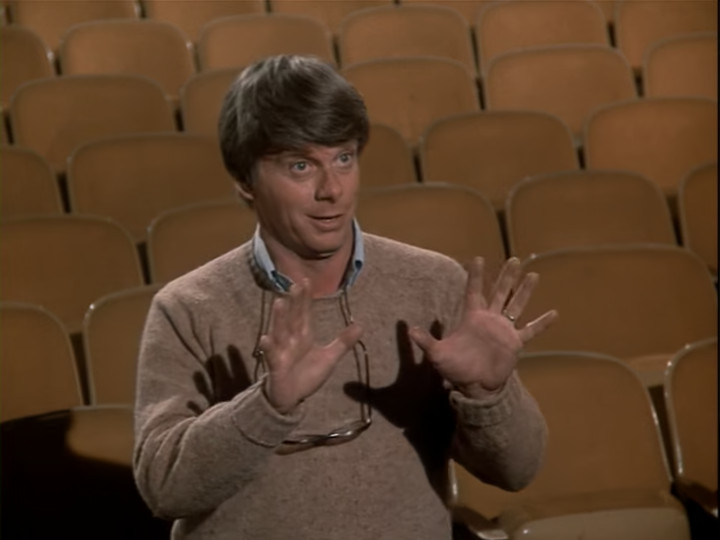
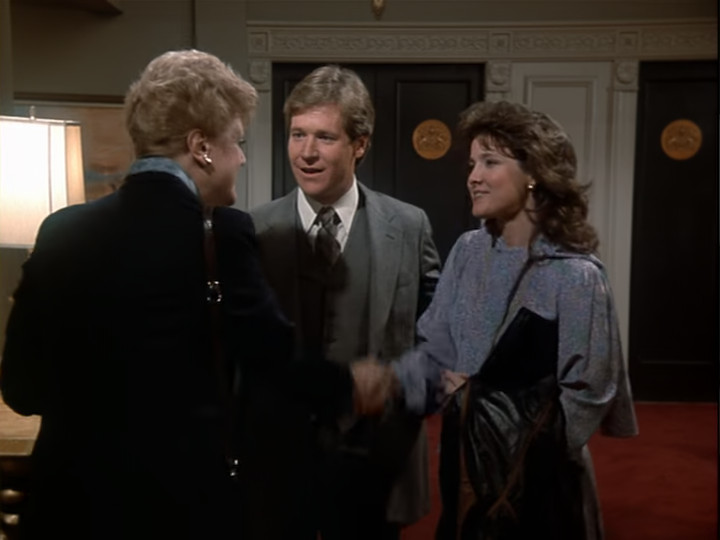


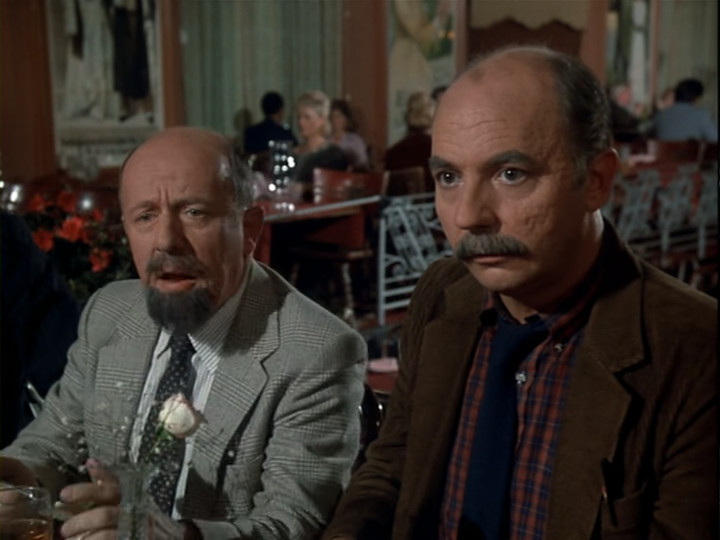
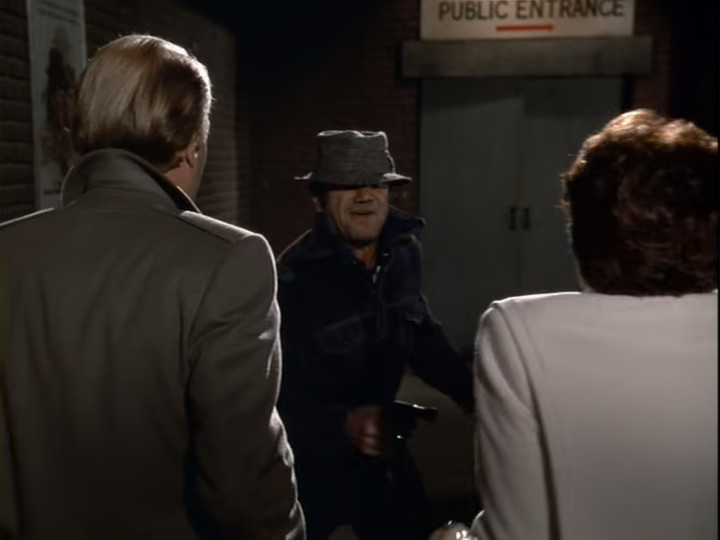
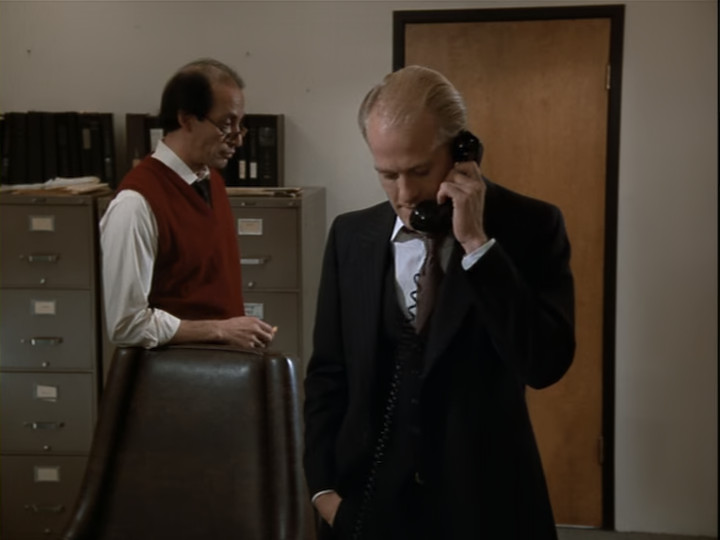

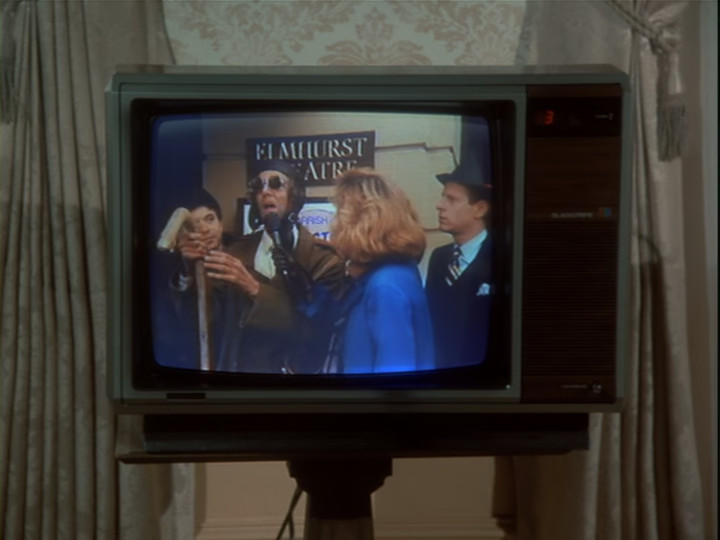


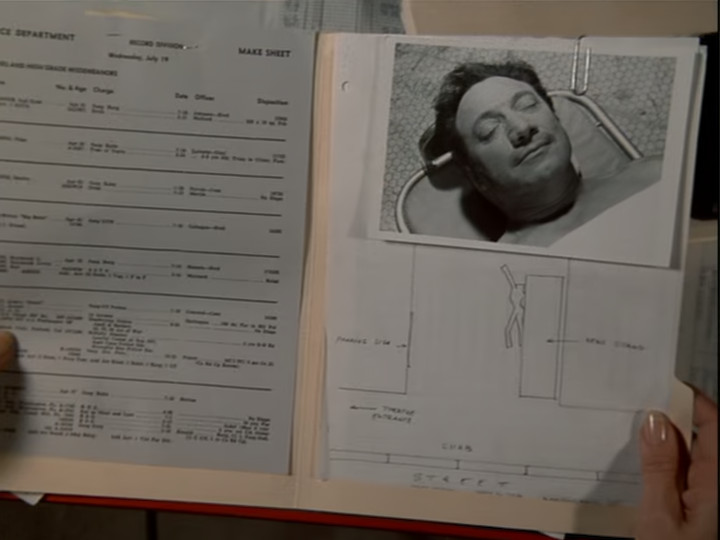
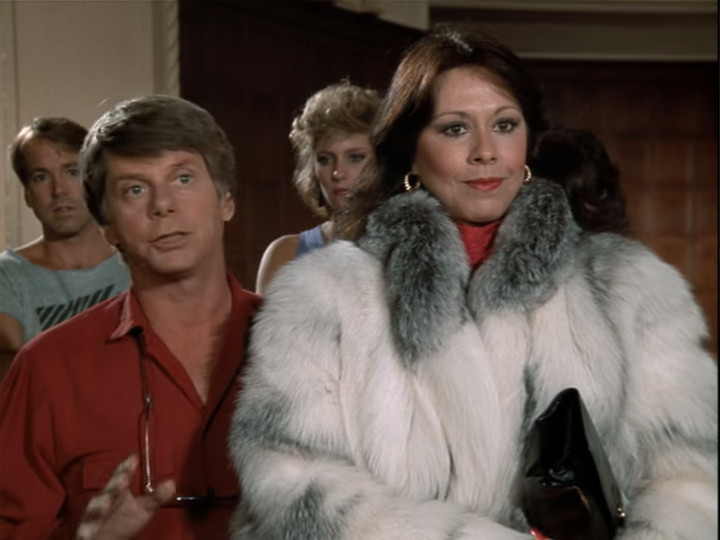
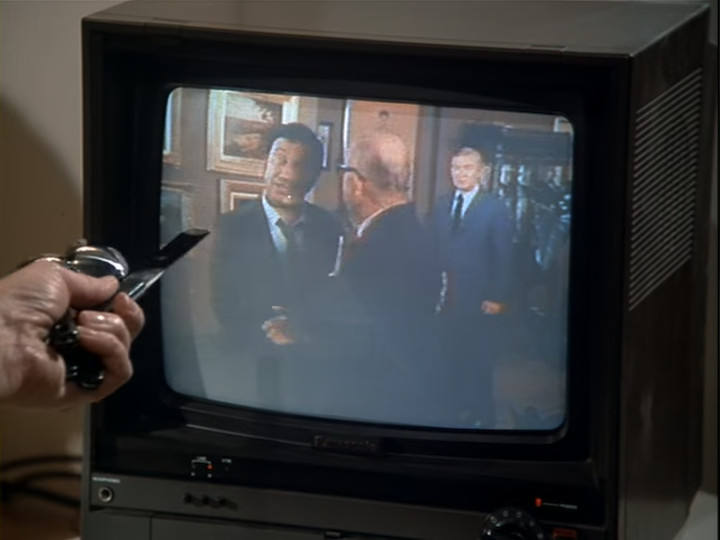
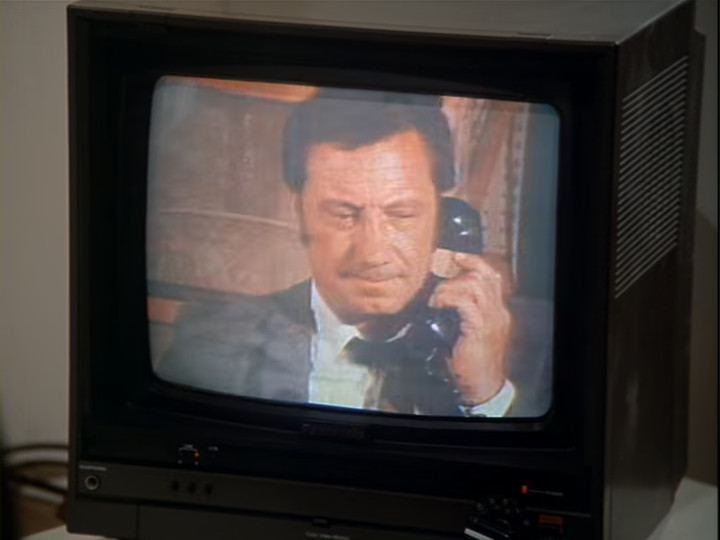

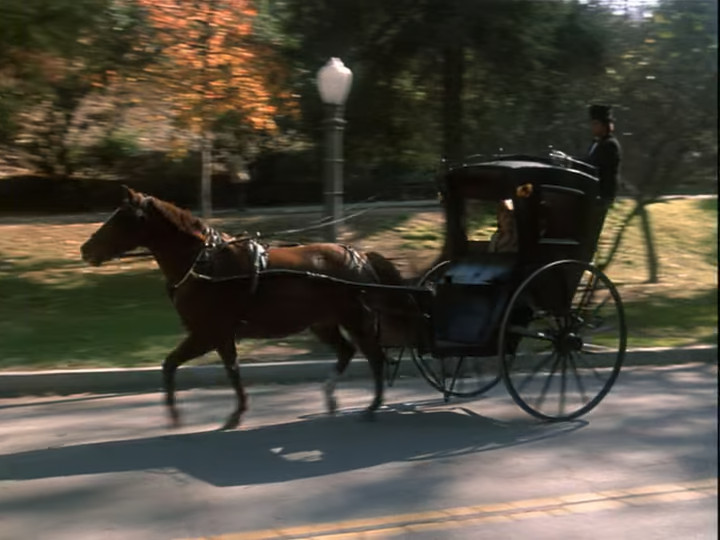


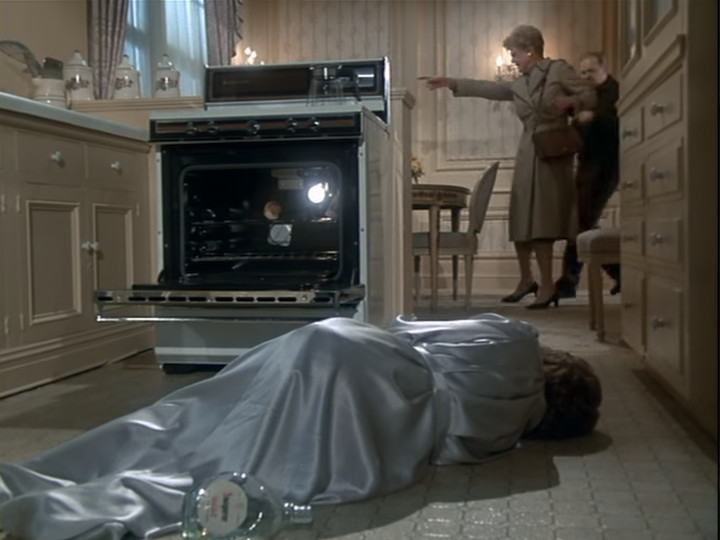


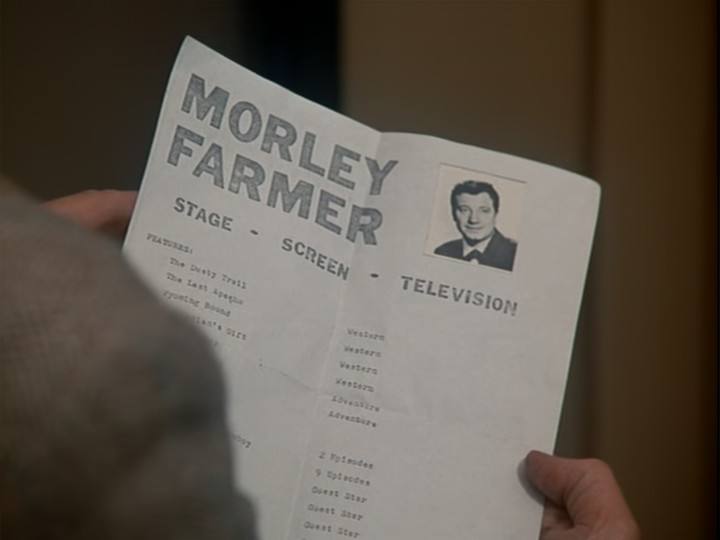


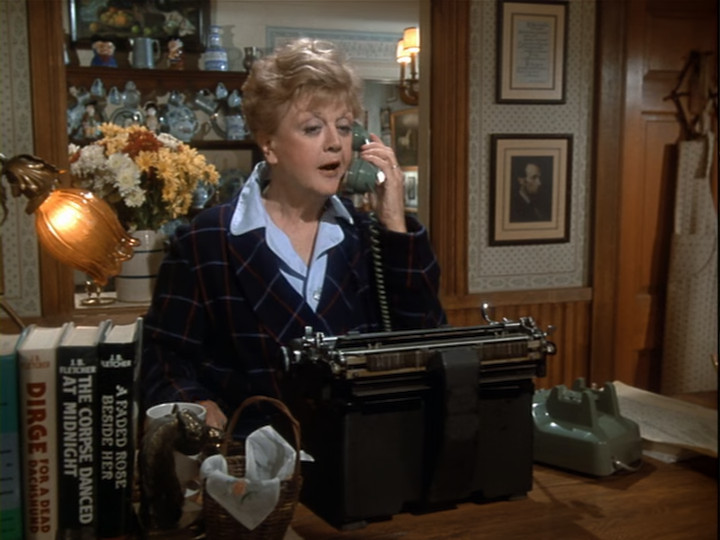


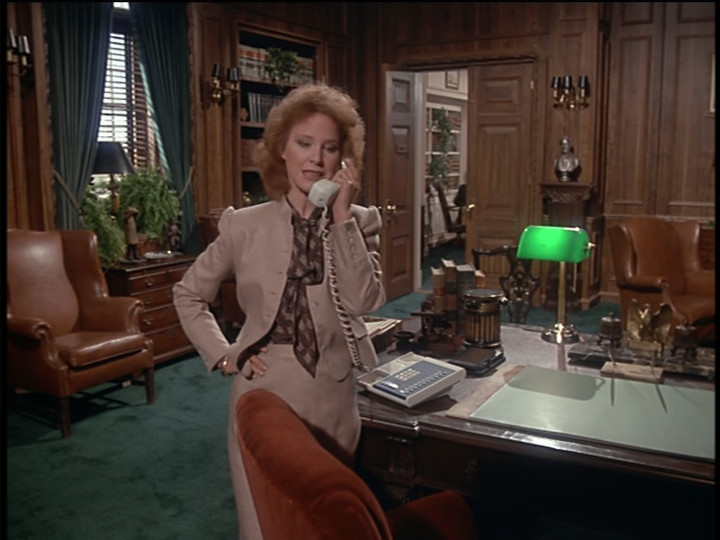
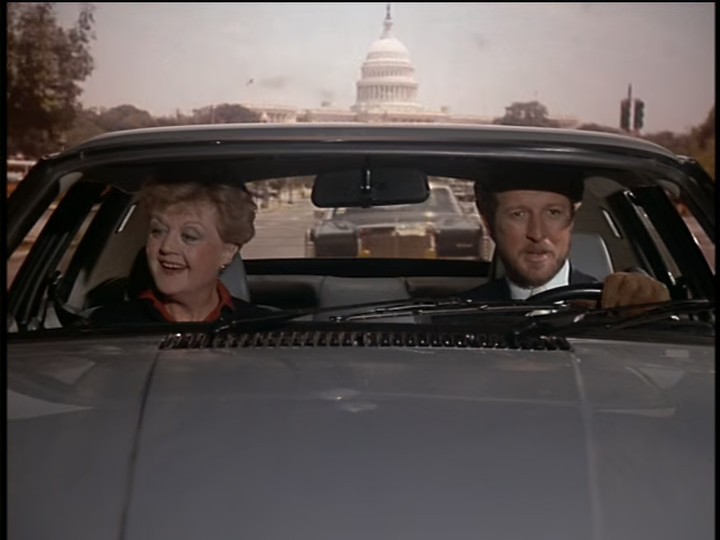

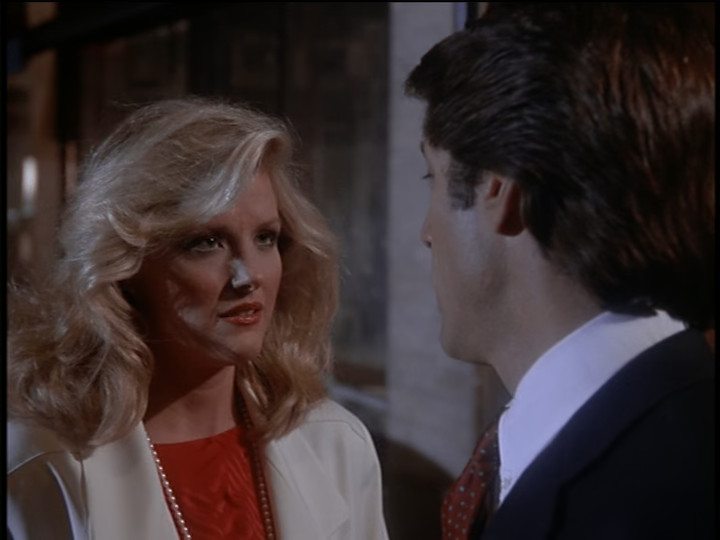
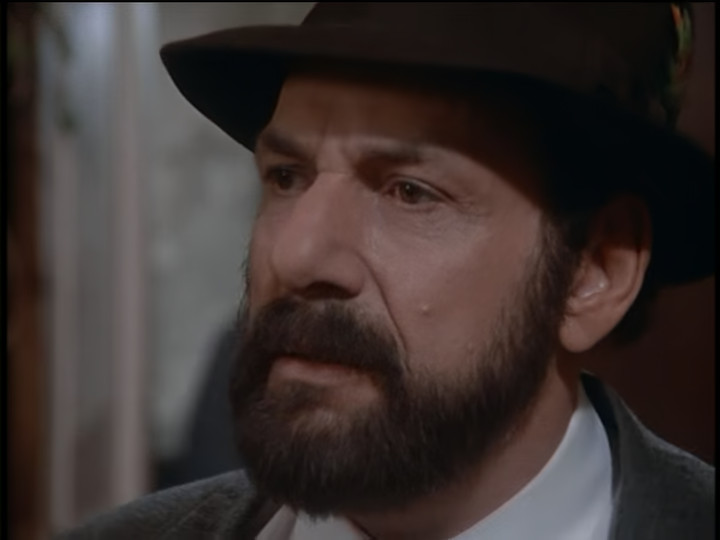


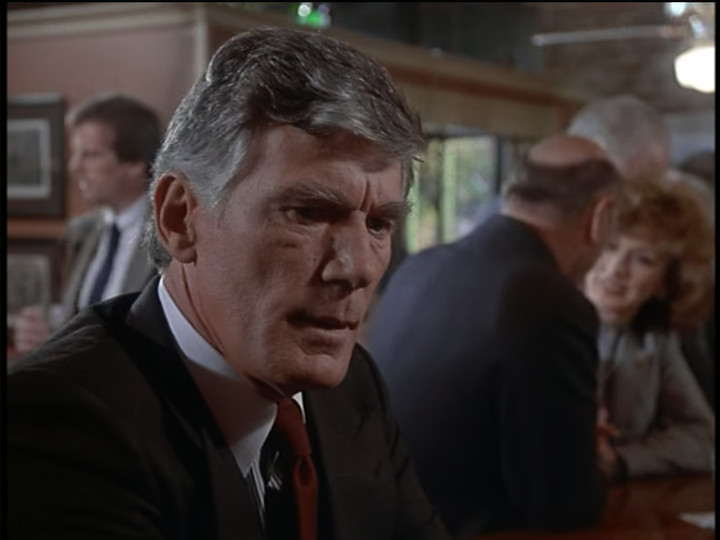
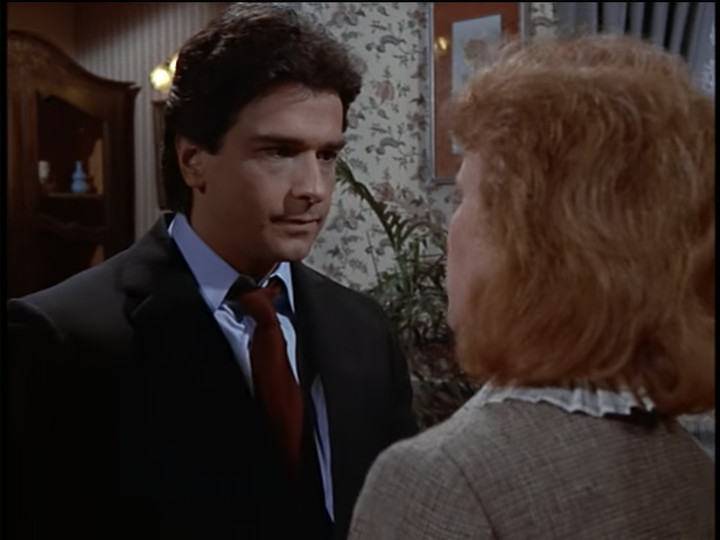
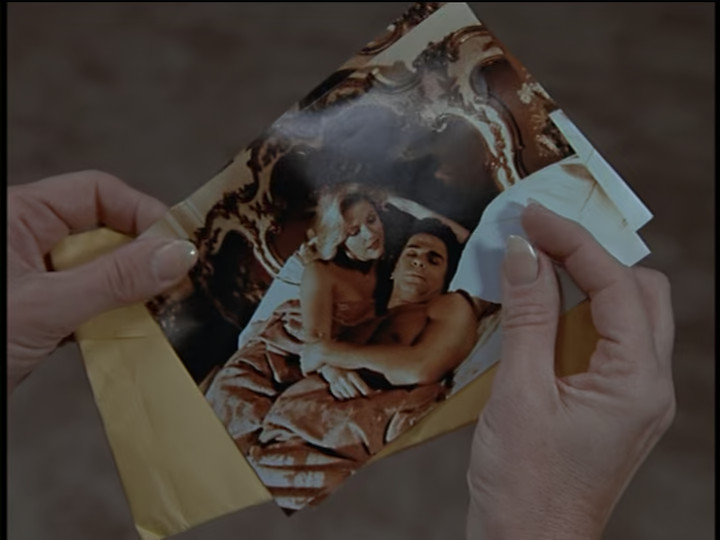

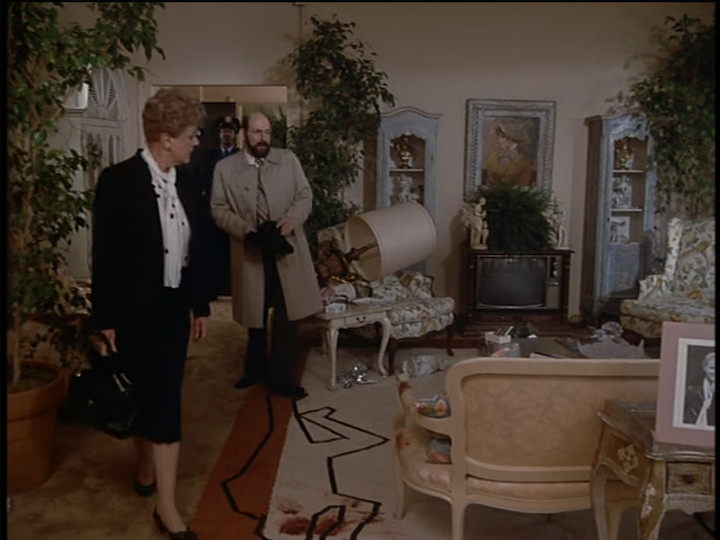
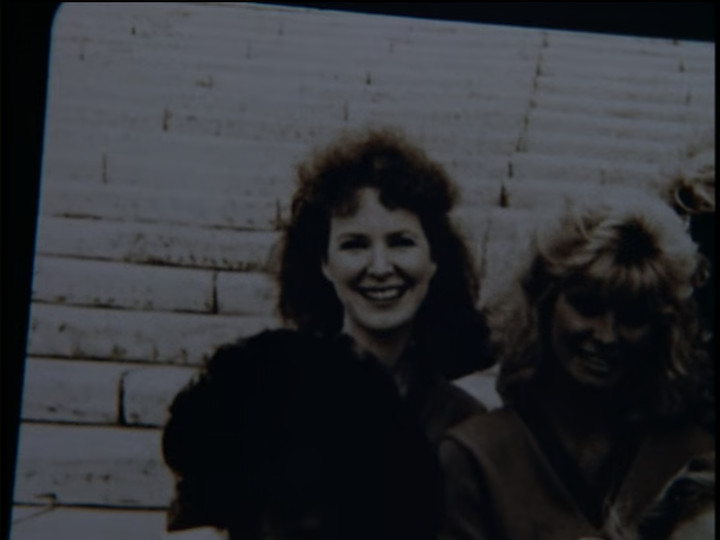
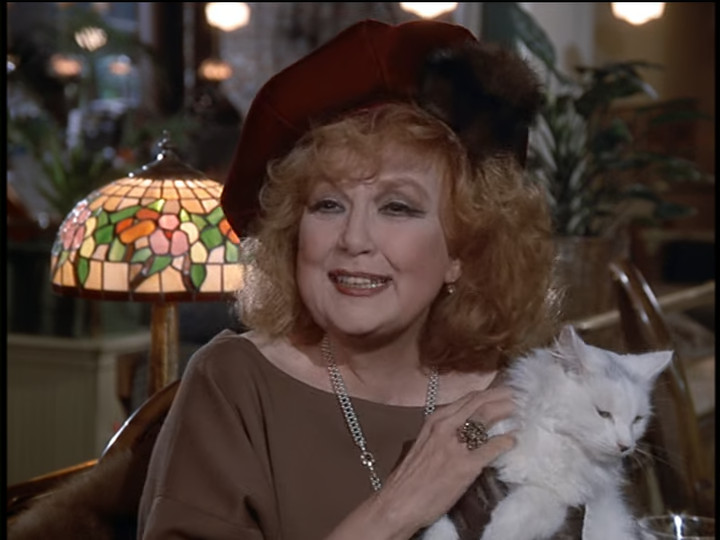

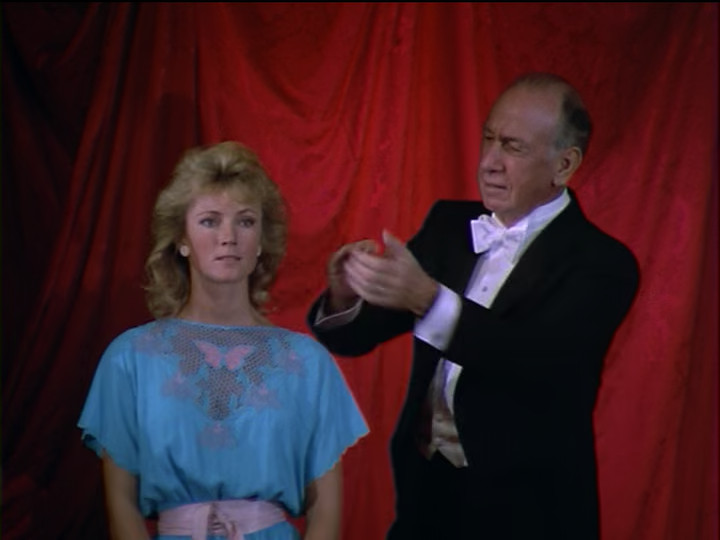


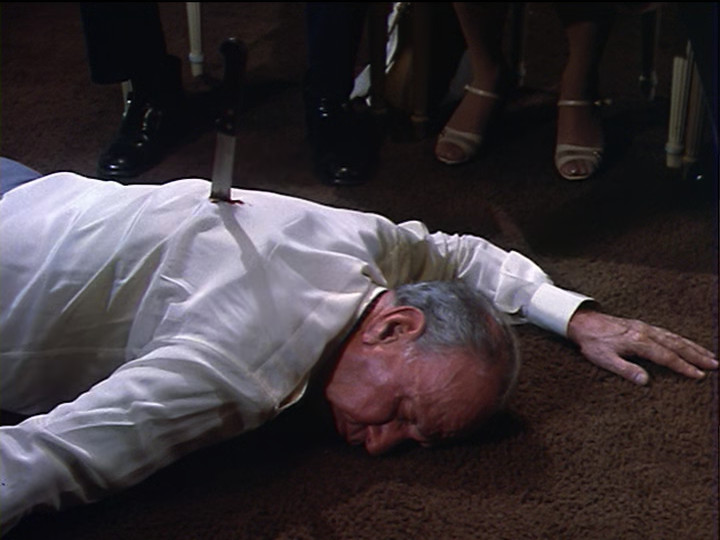

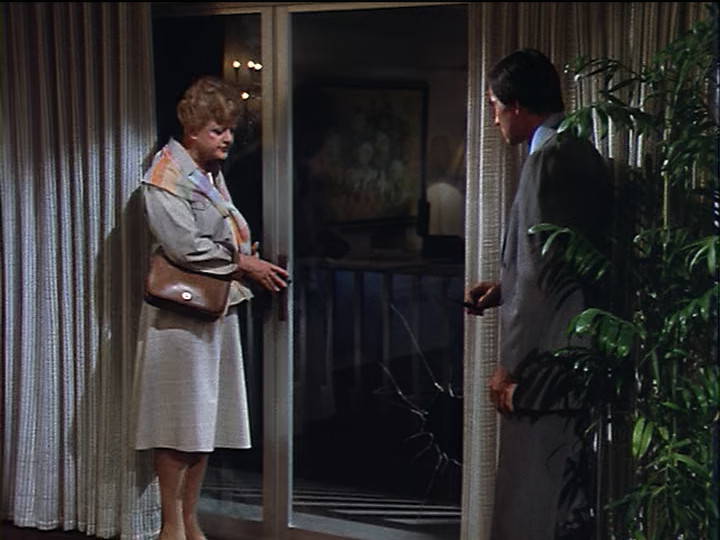


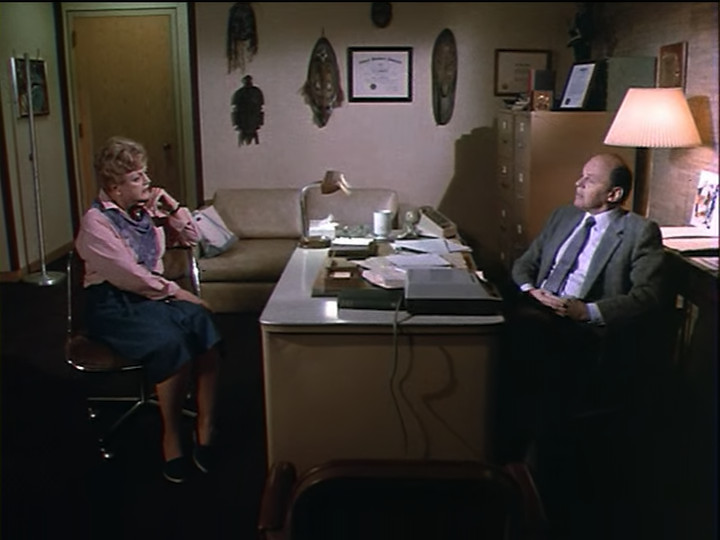

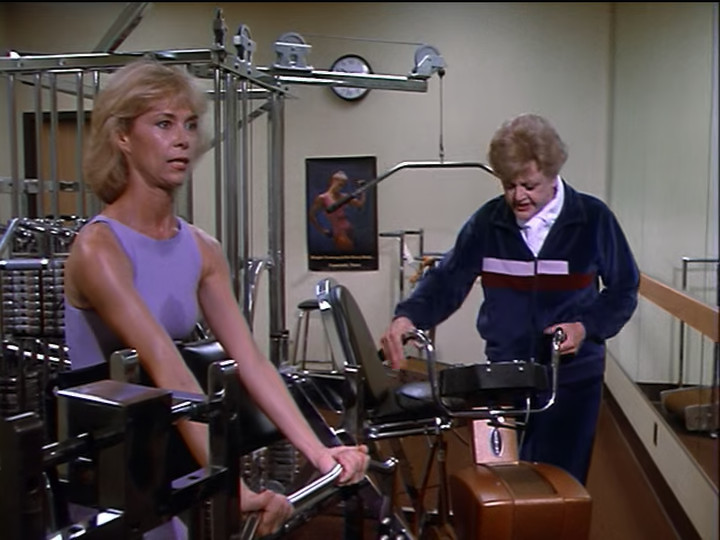

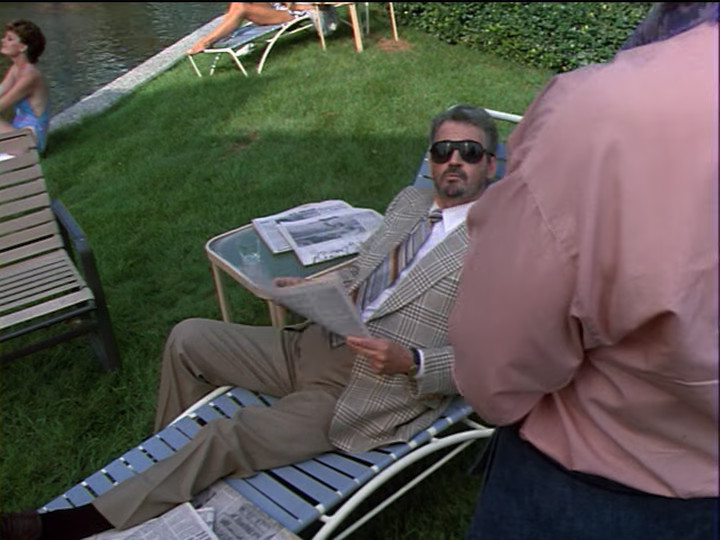


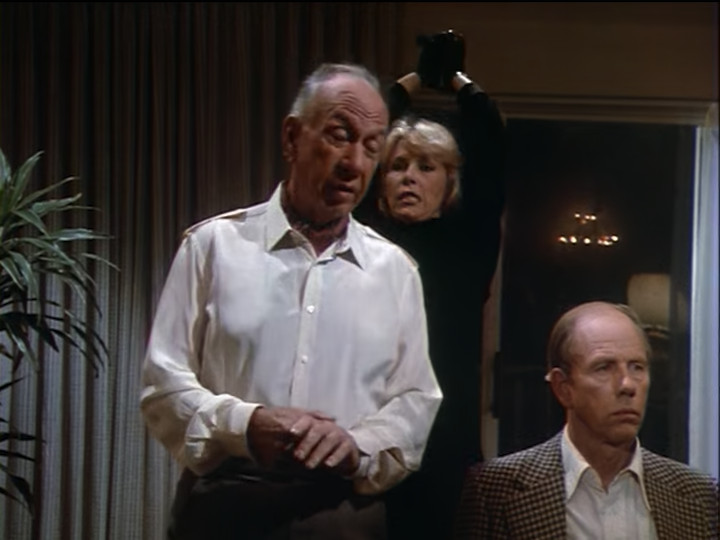
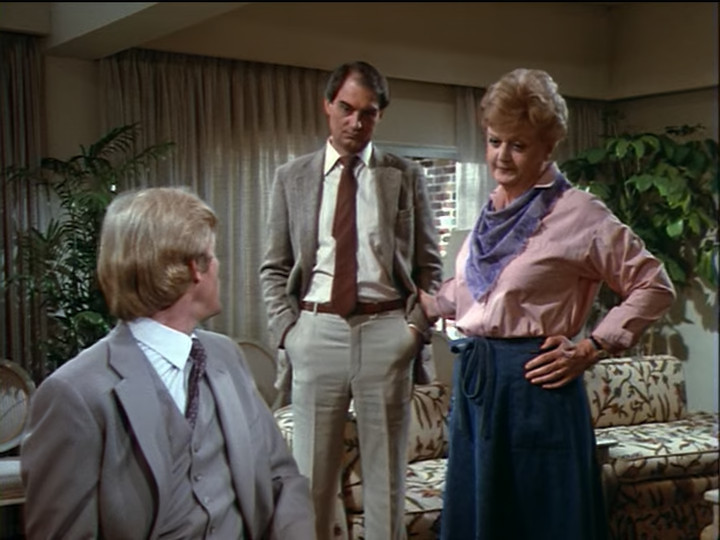

 Chris Lansdown
You must be logged in to post a comment.